


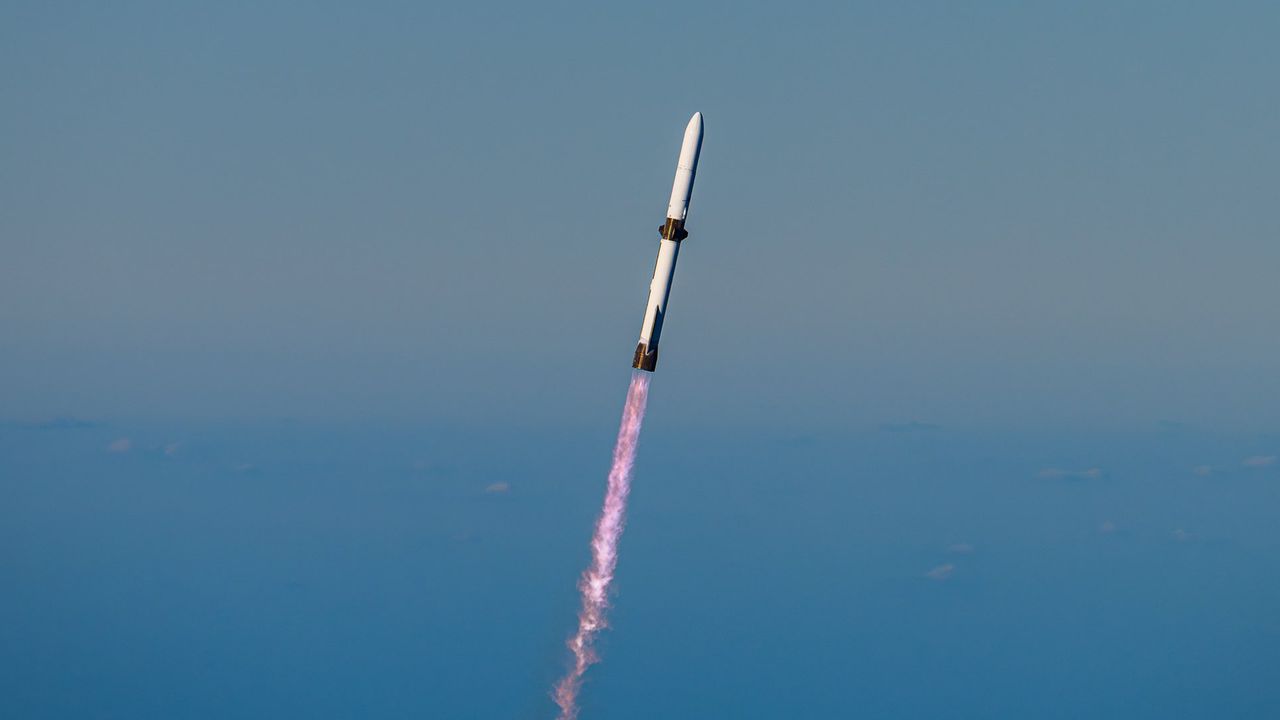
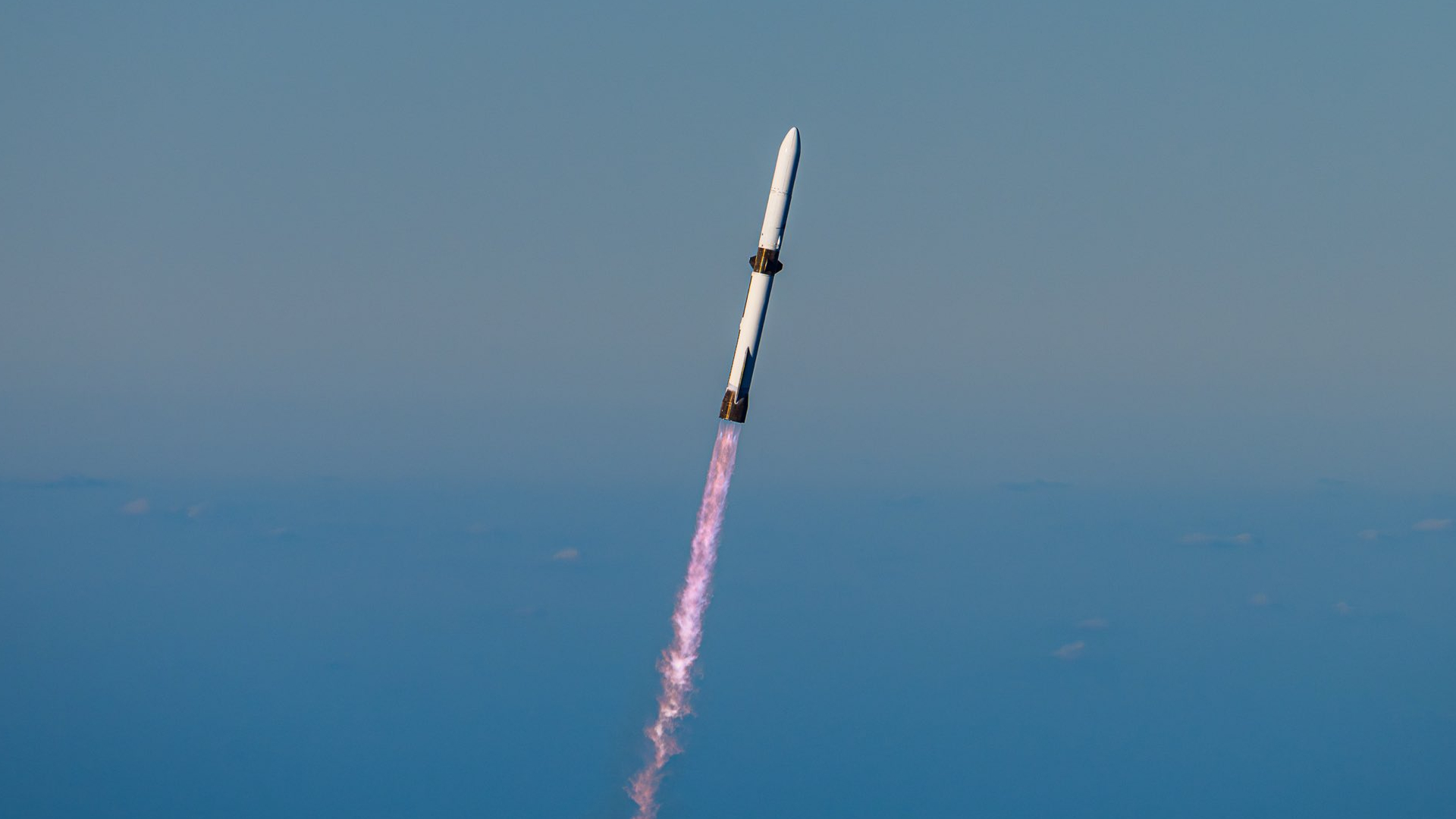
(Image credit: Blue Origin)
Blue Origin just hit a hurdle on its way to the moon.
The company’s powerful New Glenn rocket exploded during a routine prelaunch engine test at Florida’s Cape Canaveral Space Force Station on Thursday night (May 28), creating a huge fireball that lit up the dark Space Coast skies.
Nobody was injured, Blue Origin said in an update on X on Thursday night. But damage to the pad — Launch Complex 36 (LC-36) — could be extensive, judging by the extent of the explosion, which multiple rocket-watchers captured on video.
Blue Origin’s New Glenn just blew up at LC-36 while attempting to Static Fire ahead of NG-4.https://t.co/tANS0dWyIH pic.twitter.com/PztxFoBqIwMay 29, 2026
The accident could have big implications for Blue Origin, NASA and the United States’ moon plans.
Blue Origin, which Amazon’s Jeff Bezos founded back in 2000, sees the 320-foot-tall (98 meters) New Glenn as its launch workhorse, a powerhouse rocket that will help humanity establish a foothold away from Earth.
Indeed, New Glenn is the rocket ride for Blue Origin’s Blue Moon, one of the two private vehicles (along with SpaceX’s Starship) that NASA selected to land astronauts on the moon for its Artemis program.
And the agency announced earlier this week that Blue Moon will land two private lunar rovers on the lunar surface — missions that are key to the buildout of NASA’s planned moon base near the south pole. The agency wants at least one of those rovers to be on the moon before the first crewed Artemis mission (Artemis 4) touches down, a milestone targeted for late 2028.
But Blue Moon is supposed to head to the moon considerably sooner than that. Blue Origin is gearing up to send a robotic prototype of the vehicle, called Blue Moon Mark 1, to the lunar surface later this year, to demonstrate the vehicle’s capabilities.
NASA Administrator Jared Isaacman addressed the New Glenn explosion on Thursday night, showing how important the rocket is to the agency’s plans going forward.
“Spaceflight is unforgiving, and developing new heavy-lift launch capability is extraordinarily difficult,” Isaacman said in an X post. “We will work with our partners to support a thorough investigation of this anomaly, assess near-term mission impacts, and get back to launching rockets. We will provide information on any impacts to the Artemis and Moon Base programs as it becomes available.”
New Glenn has flown just three times to date, and things haven’t always gone swimmingly. For example, the U.S. Federal Aviation Administration grounded the rocket briefly after its third flight, which occurred on April 19. During that mission, New Glenn failed to deploy its payload, the BlueBird 7 communications satellite, into the proper orbit.
Thursday’s explosion occurred during a “hotfire” engine test meant to clear the path for New Glenn’s fourth flight, which was supposed to deploy 49 satellites for Amazon’s nascent broadband constellation. That mission was scheduled to fly on June 4.
LC-36 is currently the only pad that hosts New Glenn launches, so extensive damage to the pad would likely keep the rocket grounded for a while.
