


Nicoletaionescu/Getty Images
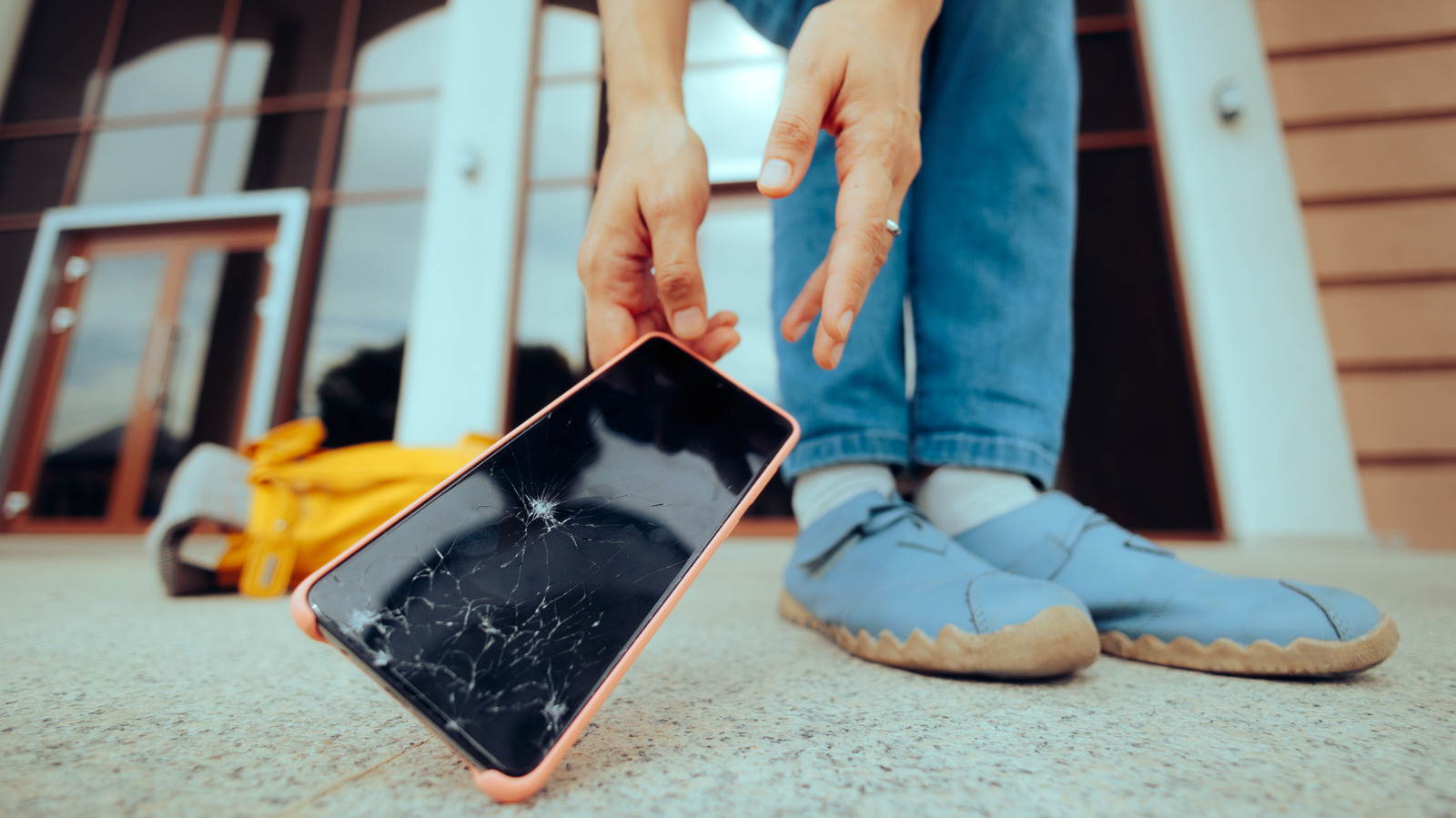
Although some legitimate arguments exist for why there’s no need for screen protectors anymore, many people still use them on their phones. One recent poll with more than 5,000 participants from Android Authority showed about 64% of people use a screen protector.
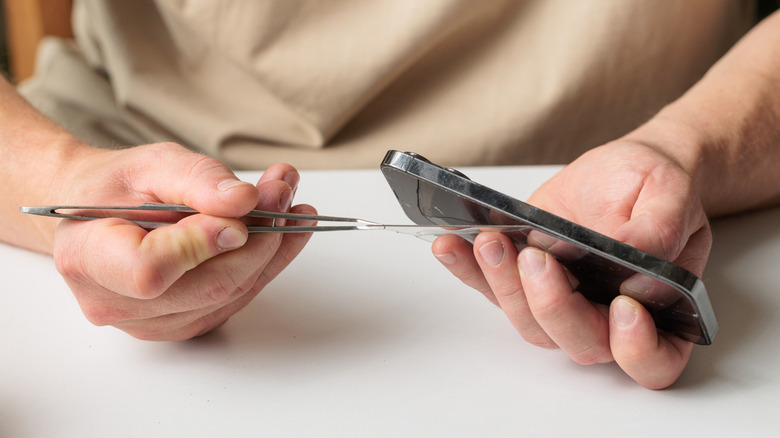
Before figuring out how to protect your screen without a protector, it may be helpful to understand exactly how this device works. It is a thin piece of plastic or glass that sticks to the tempered glass screen of the smartphone. The protector should have the same dimensions as your phone’s screen, providing full coverage. The protector acts as a shield to guard the tempered glass screen from scratches or cracks, absorbing any potentially damaging impacts that occur. If the protector suffers damage, just remove and replace it, which is far less expensive than replacing a damaged phone screen.
High-end glass screen protectors may consist of several layers that work to absorb impacts and damage. The top layer guards against oils from fingerprints, while the tempered glass layer is extremely hard and absorbs impacts. Some designs use an adhesive layer behind the tempered glass that safely holds the glass in place in case it shatters. If you choose a cheaper plastic version, polyethylene terephthalate (PET) has scratch resistance but almost no impact resistance. Thermoplastic polyurethane (TPU) has better impact resistance than PET, but it’s not as durable as glass.
Why the touch screen still works with a protector in place
Amax Photo/Getty Images
One of the disadvantages of using a phone screen protector is that you lose some of the touch sensitivity used to operate your smartphone. It seems logical that a thicker protector would at least slightly diminish the phone’s touch sensitivity.
Most smartphones use a capacitive touch screen that’s coated with a conductive material. The phone measures changes in electrostatic fields that a finger causes as it makes contact with the screen’s conductive material. This type of touch screen system is preferred because it delivers precise location and maximum sensitivity measurements while supporting multiple touch-point gestures.
As long as the protector is made of high-quality materials and is installed properly, it shouldn’t significantly affect the performance of the capacitive touch screen. Bubbles or dust between the protector and the screen, though, are more likely to affect touch performance. However, even when using a high-quality protector that’s installed properly, you may notice a slight lag in touch-screen performance if your protector uses multiple layers to provide impact protection. A glass protector may measure up to 0.5 mm in thickness, whereas a plastic one might only measure 0.1 mm. Thin protectors generally create less or no lag. To minimize the risk of lag with a thick glass protector, select one that’s compatible with your phone.
