


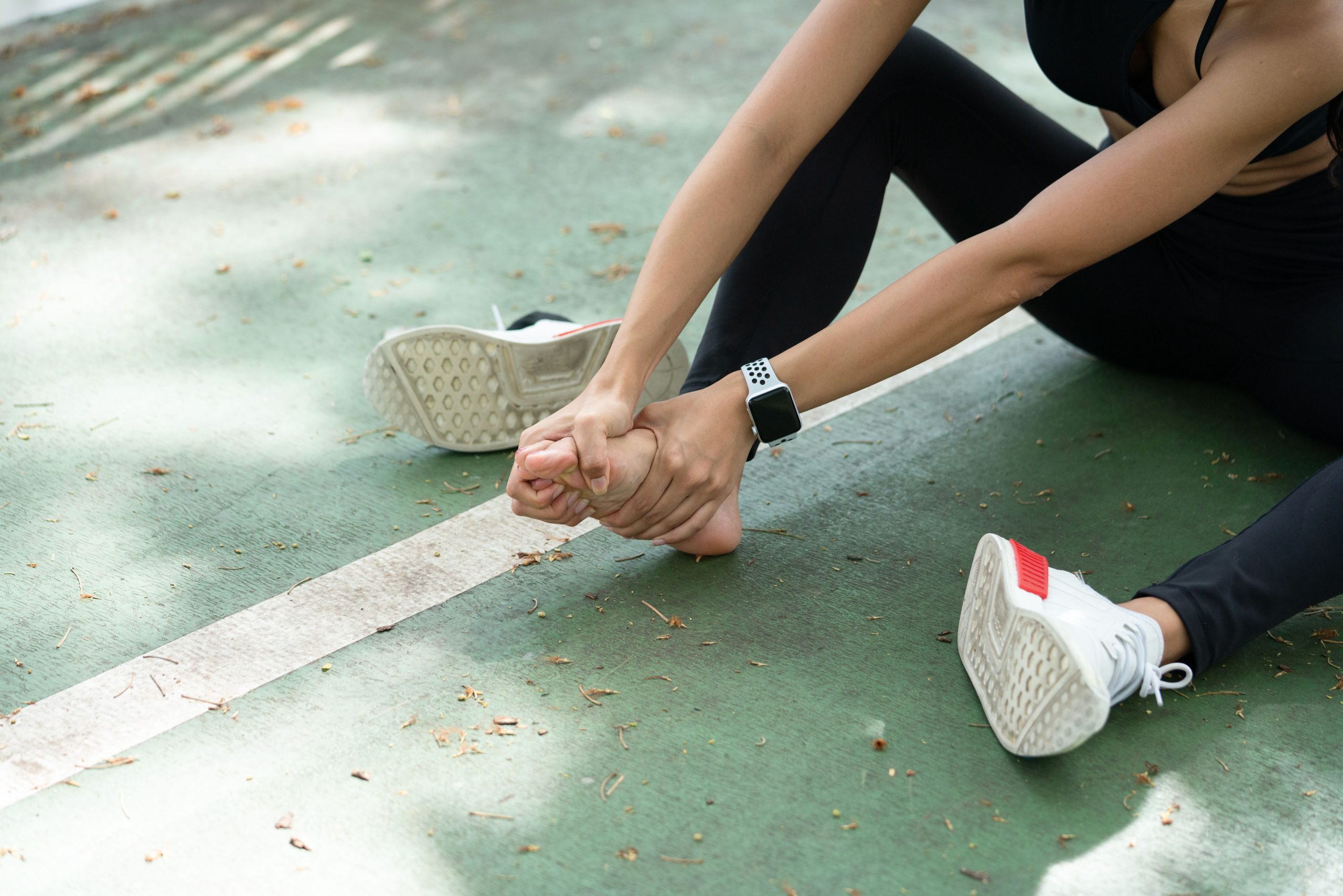
Barefoot walks on the beach. A day in their favorite high heels. A long training walk ahead of the Camano de Santiago. These are the goals—big and small—of women undergoing foot filler treatments.
Using an injectable filler—such as hyaluronic acid or body fat—to add padding to sore feet is not new, though it is gaining in popularity. As early as the 1960s, medical-grade silicone has been used to puff up padding deflated by age, years of wear and tear, and fashionable footwear, especially high heels. All of this puts intense pressure on the balls of the feet—otherwise known as the metatarsals.
Over time, the fatty cushion on the bottom of your feet dissipates. Fat pad atrophy affects 30% of people over the age of 60. Without that natural cushion, the bones in your feet come into closer contact with the ground, which causes a deep bruise-like pain in the heels or balls of the feet when walking barefoot or standing for long periods.
For some perspective, look at the doughy wonders that are baby feet and compare them to yours. As we age, wear and tear breaks down that plush tissue. And if you put your feet to heavy use, you’ll wear down that cushion quicker. Some of that internal cushioning can be restored—even if just temporarily—with the injection of dermal fillers.
“It’s getting very popular because people are already familiar with it for aesthetic [uses],” says Ben Pearl, DPM, a podiatrist at Arlington Foot and Ankle in Arlington, Virginia. Dr. Pearl specializes in sports medicine and treats endurance athletes looking to restore cushion lost in their feet from pounding the pavement.
A promising treatment to offload pain
Patients don’t have just one choice for injectables, though. Many of the same options available for cosmetic use have also shown promise for feet. There’s hyaluronic acid filler, which adds physical volume and cushioning, and calcium hydroxylapatite, such as Radiesse, which adds firm volume while also promoting new collagen growth. Sometimes human body fat is used as the injectable, known as adipose tissue, a practice that is quickly becoming the preferred method.
“[A fat injection] actually recruits your body to rebuild the fat pad in that area so it has a much longer duration,” says Anne Sharkey, DPM, of Soley Podiatry in Austin. Fat allografts from brands like Liposana and Leneva may last as long as two years, compared to hyaluronic acid fillers, which typically need a touch up in six to nine months.
This type of regenerative medicine is appealing to patients. It’s not a promise that the foot will return to its former glory, but that it will be “as close to normal as possible,” says Dr. Pearl.
Dr. Sharkey and Dr. Pearl have both seen positive results from their patients. Scientific studies corroborate the efficacy of the treatment as well. One small study looking at patients with metatarsal pain found five patients had no more pain six months post-hyaluronic acid injections, and those who still had pain could wear high heels twice as long as they could before the injections. Another study surveying patients who had been injected with body fat reported that their pain improved by more than 70 percent on average, 20 months post injection.
While there are a growing number of cosmetic clinics offering the procedure, Dr. Pearl cautions against allowing just any injector at it. That’s because injecting filler into feet is a more complex procedure than an aesthetic injection. For one, knowing where to inject requires an understanding of the foot’s pressure points. In his own practice, Dr. Pearl uses ultrasound to help determine where to replace the fat to offload the pain. Additionally, Dr. Pearl notes, the skin is much tougher on the feet than the face, making it a more complicated area to inject.
This is one reason why Dr. Sharkey set up her practice to include a nail salon—combining cosmetology and podiatry. Her patients are already familiar with dermal fillers. Within the attached nail salon you can get manicures, pedicures, ingrown nail treatment, toenail reconstruction, or dermal fillers for feet.
What’s the cost?
Try not to groan, but it depends. The cost of the procedure is influenced by how much filler is injected, and which brand is used. Other factors that affect cost include how your provider bills the procedure, and how much experience they have with dermal filler injections.
For cosmetic use, the American Society of Plastic Surgeons places the average cost of hyaluronic acid filler treatment at $715. They estimate nonhyaluronic acid fillers, including Radiesse, Sculptra, and Liposana to cost $901 on average per treatment. However, the feet will almost certainly require more filler than the face, so you can expect the cost to be higher.
But will insurance cover it? Unlikely. “Even though it isn’t technically cosmetic, it may not be considered medically necessary, because these procedures are often considered elective and cosmetic branding has a box drawn around it,” says Mark Welter, chief strategy and growth officer at Welter Healthcare Partners, a healthcare business management firm.
Can’t afford dermal fillers? Here are other ways to pad your feet for pain-free movement.
If you’re transparent with your provider about any financial concerns you have, they can work with you to find a middle ground between pain relief and high costs. Dr. Sharkey, for example, will often offer her patients more affordable hyaluronic acid fillers as temporary pain relief until they’re ready to dive into a more expensive fat injection.
If injectables aren’t accessible to you, there are other ways to deal with foot pain. Here are some options, most of which require a low financial investment.
- Use kinesiology tape. Try bunching the remaining fat in your foot pad and taping it for added cushion. A physical therapist can provide guidance on the best way to tape your foot.
- Try an anti-fatigue mat. If you stand for long periods in one place, these cushioned mats can give you extra padding.
- Put over-the-counter padded insoles in your shoes. You can find insoles that provide padding for your entire foot, or heel cups or metatarsal pads to just add cushioning to where you need it.
- Wear cushioned shoes. Look for maximalist running or walking shoes with lots of cushioning in the sole. Be sure to replace them every 500 miles or so, as cushioning breaks down with use.
- See a podiatrist for prescription orthotic insoles. These are made to your exact foot specifications and your specific cushioning needs. It may be possible to get orthotics covered by insurance.
A podiatrist can help walk you through any of these options and come up with a plan to minimize your pain.
Related:
- How Bad Is Walking Barefoot Around Your House, Really?
- 6 Common Habits Podiatrists Say Are Wrecking Your Feet
- 11 Plantar Fasciitis Exercises Your Achy Feet Are Begging For
Get more of SELF’s great fitness content delivered right to your inbox.
