


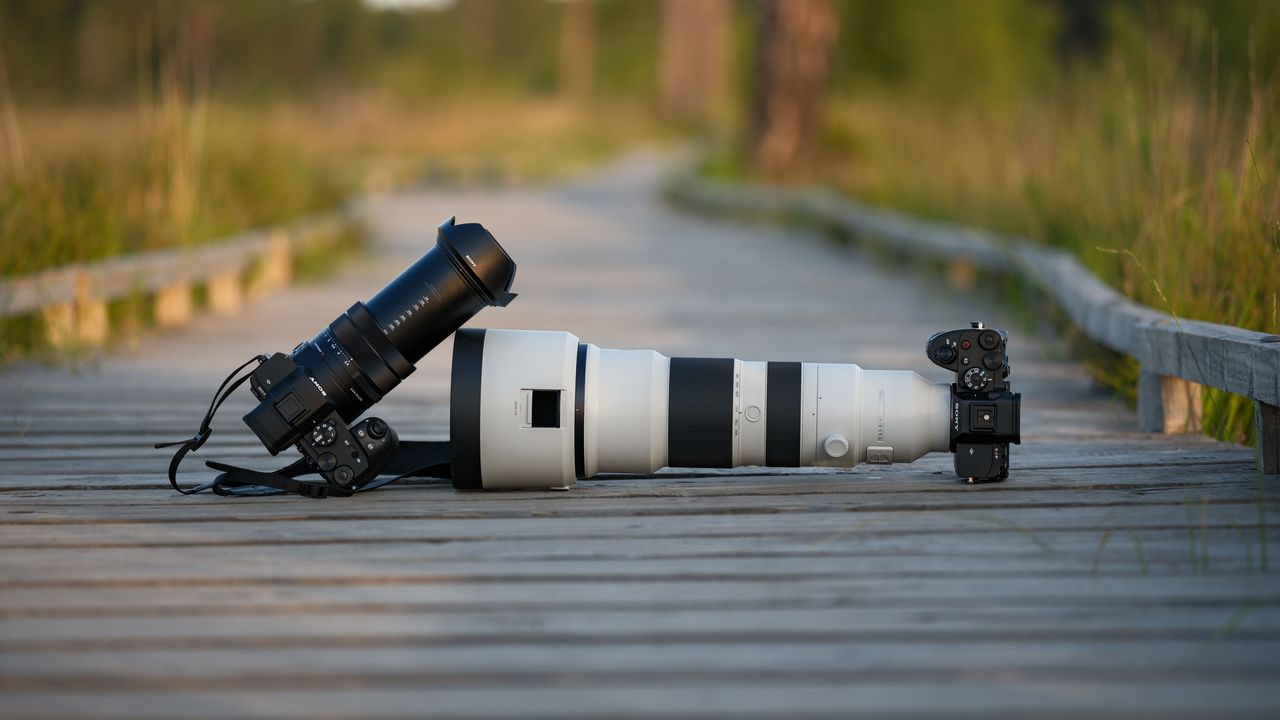
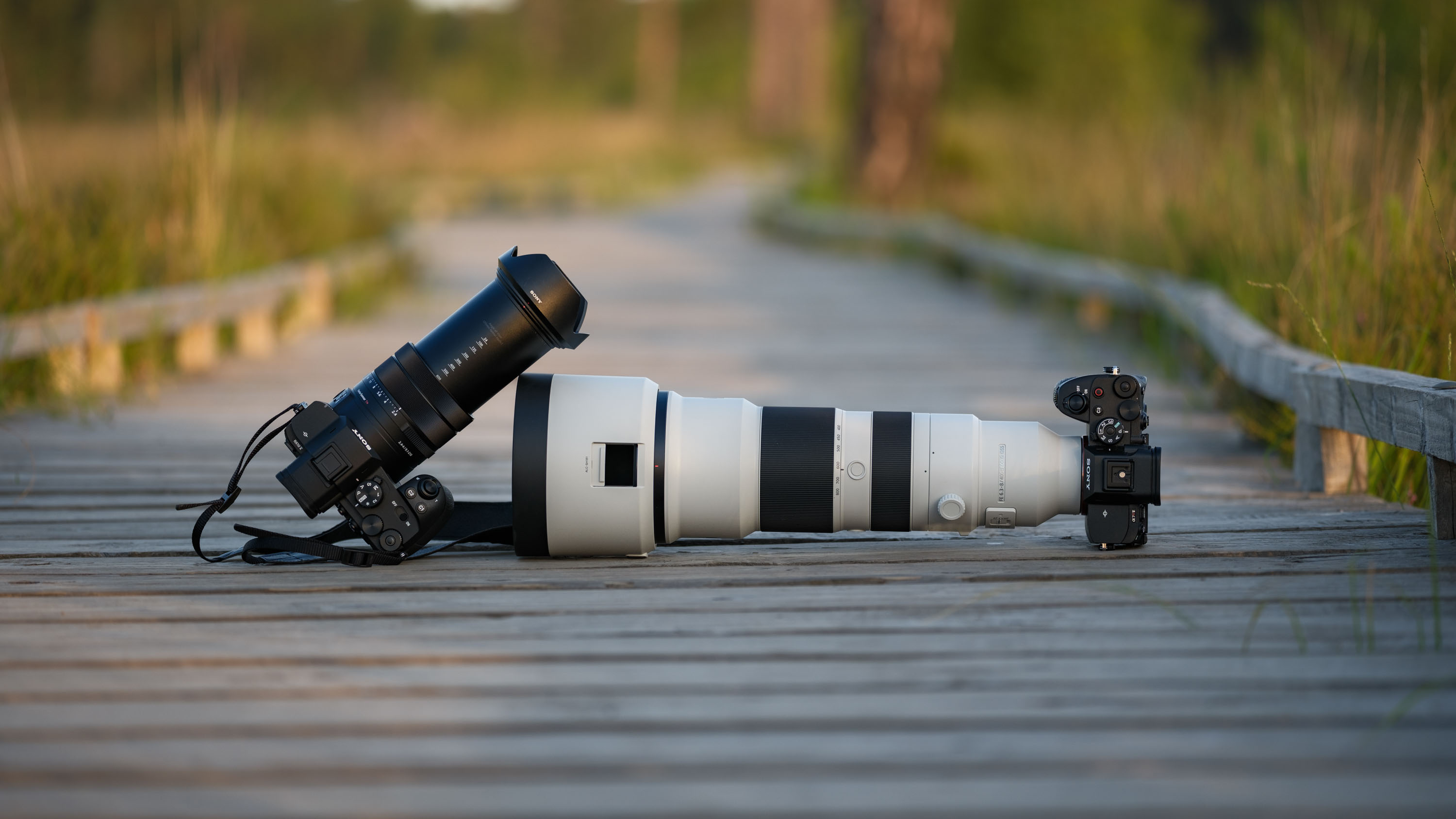
Sony surprised the camera community this week with the launch of the new RX10 V, reviving its best-in-class series of bridge cameras.
The mark V comes nine years after the now-discontinued Cyber-shot RX10 IV. It has the same versatile 24-600mm F2.4-4 lens and 20-megapixel 1-inch stacked sensor, but with a refreshed design and Sony’s latest processor and autofocus. It takes the best bridge camera available today crown.
The RX10 V gained a recommended award in my in-depth review. I was able to bag some impressive sample photos, including macro closeups of insects and distant birdlife, thanks to the camera’s 0.49x maximum magnification and 600mm f/4 lens.
I also compared the RX10 V to the older Cyber-shot RX10 IV. It’s a solid upgrade where it matters most, but with a predictable price increase – $2,400 / £2,200 / AU$3,500 – making it a premium pick.
In the process, I got thinking about the RX10 V’s performance, especially when using its telephoto settings, and what alternatives there are for the same money — after all, some of Sony’s older full-frame mirrorless cameras cost less. Can the RX10 rival a Sony full-frame mirrorless camera with telephoto lens?
One similarly priced alternative is Sony’s longest lens, the FE 400-800mm F6.3-8 OSS — at least if you already own a Sony Alpha camera to pair it with. Can the RX10 V compete?
I took the Sony RX10 V and the Sony 400-800mm lens attached to a pro A7R V mirrorless camera to my local nature reserve for a bird-photography shoot, and the following is my honest reflection on the experience.
Size and weight
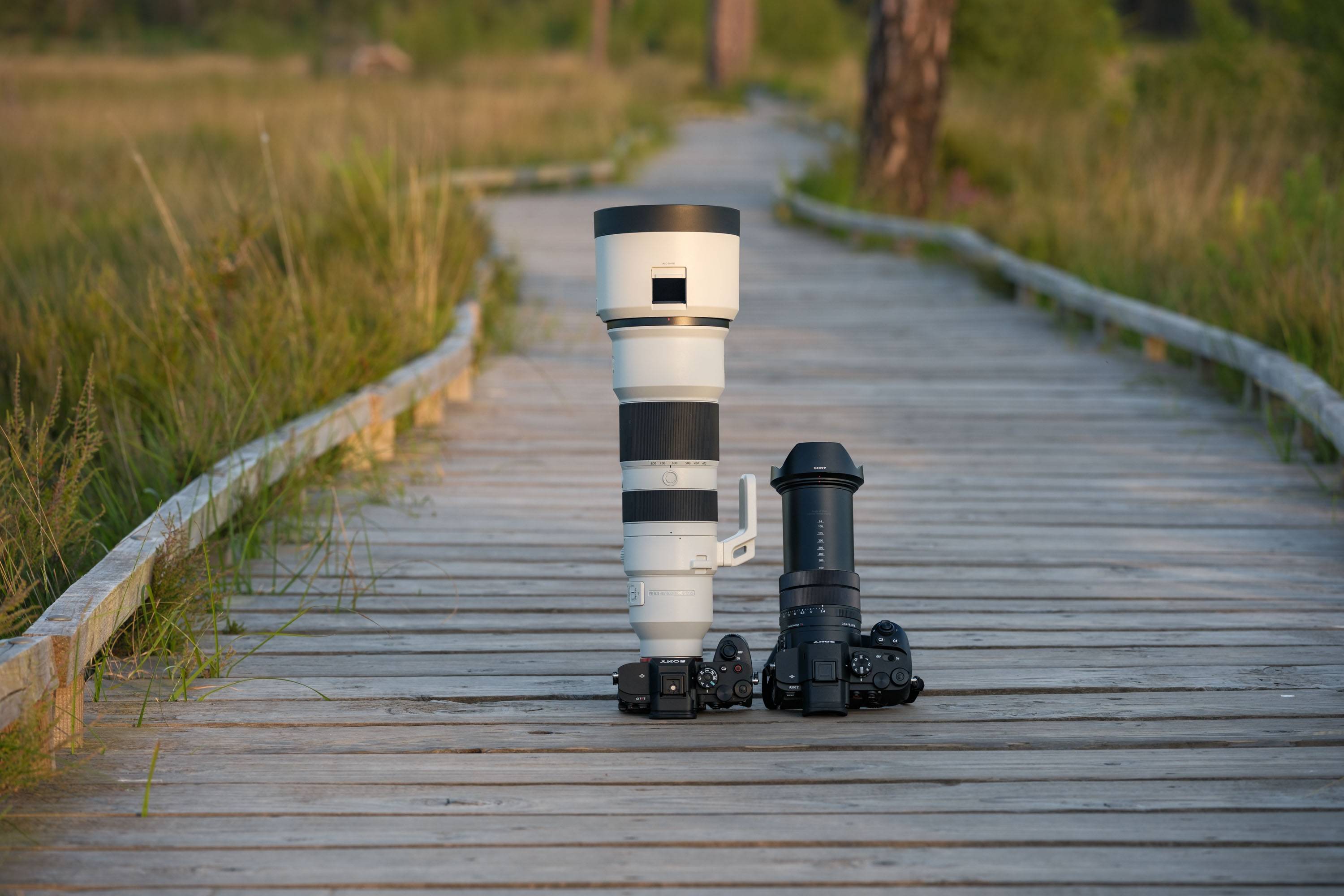
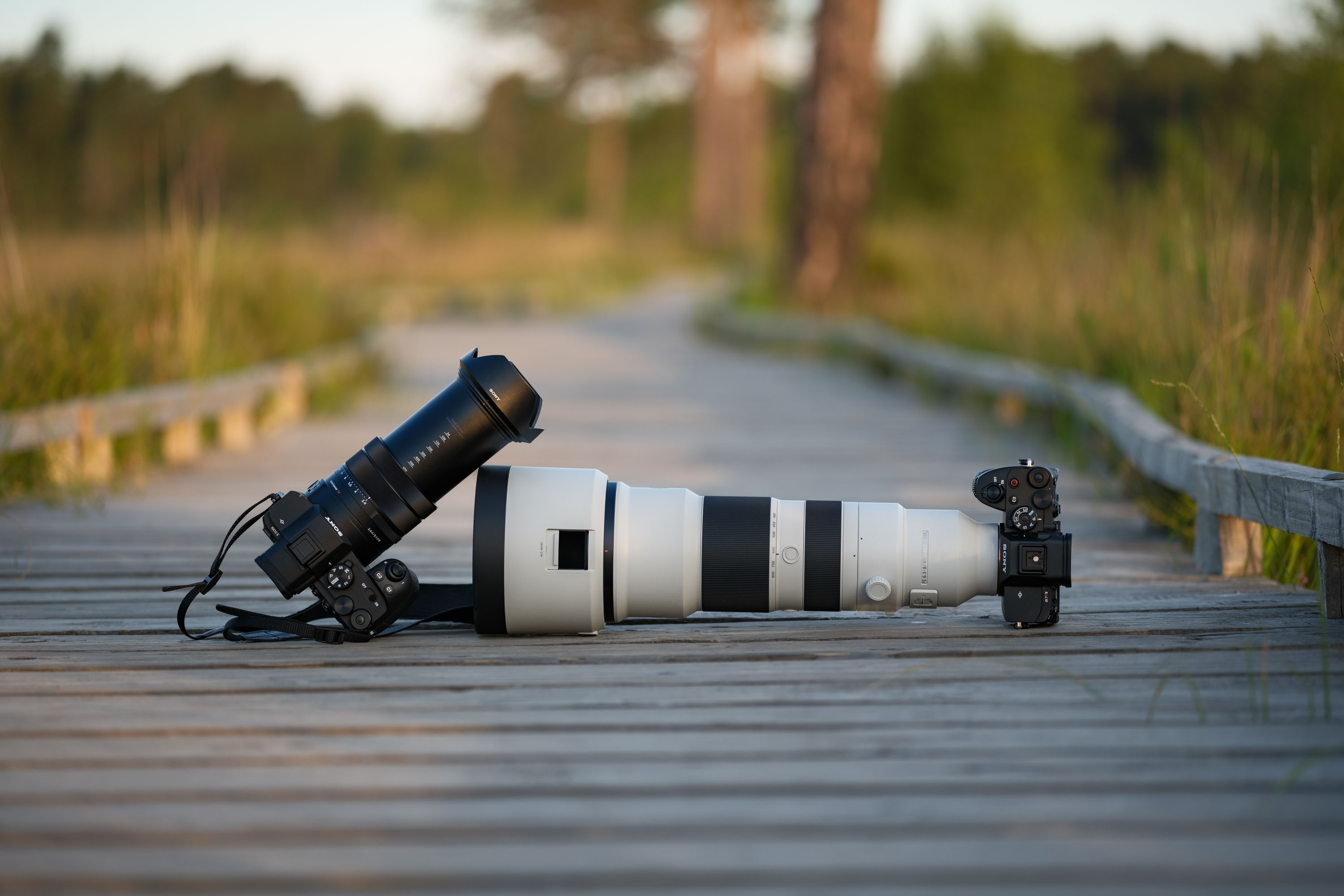
Let’s begin with how each setup is in use. As you can see in the images above, there is a big difference in size and, therefore, weight.
The RX10 V is hardly compact, but when you compare it to a Sony full-frame mirrorless camera with telephoto lens like the 400-800mm, or alternatives that reach the same 600mm focal length as the RX10 V, such as the Sigma 150-600mm F5-6.3, it is positively tiny. It very much feels like an Alpha camera, with excellent ergonomics and a decent control layout.
It’s also a much lighter all-in-one camera, weighing 1,111g. Compare that with the combined weight of the A7R V (723g) and the 400-800mm lens (2,475g)at 3,198g – approximately three times the weight. And the Sigma lens is just a fraction lighter than Sony’s lens.
For casual travel photography, the RX10 V is an excellent pick, with its ability to capture everything from landscapes to macro and distant wildlife subjects. You’ll need to be much more serious and focused about wildlife photography to lug around the mirrorless body and 400-800mm lens.
Viewfinder and LCD
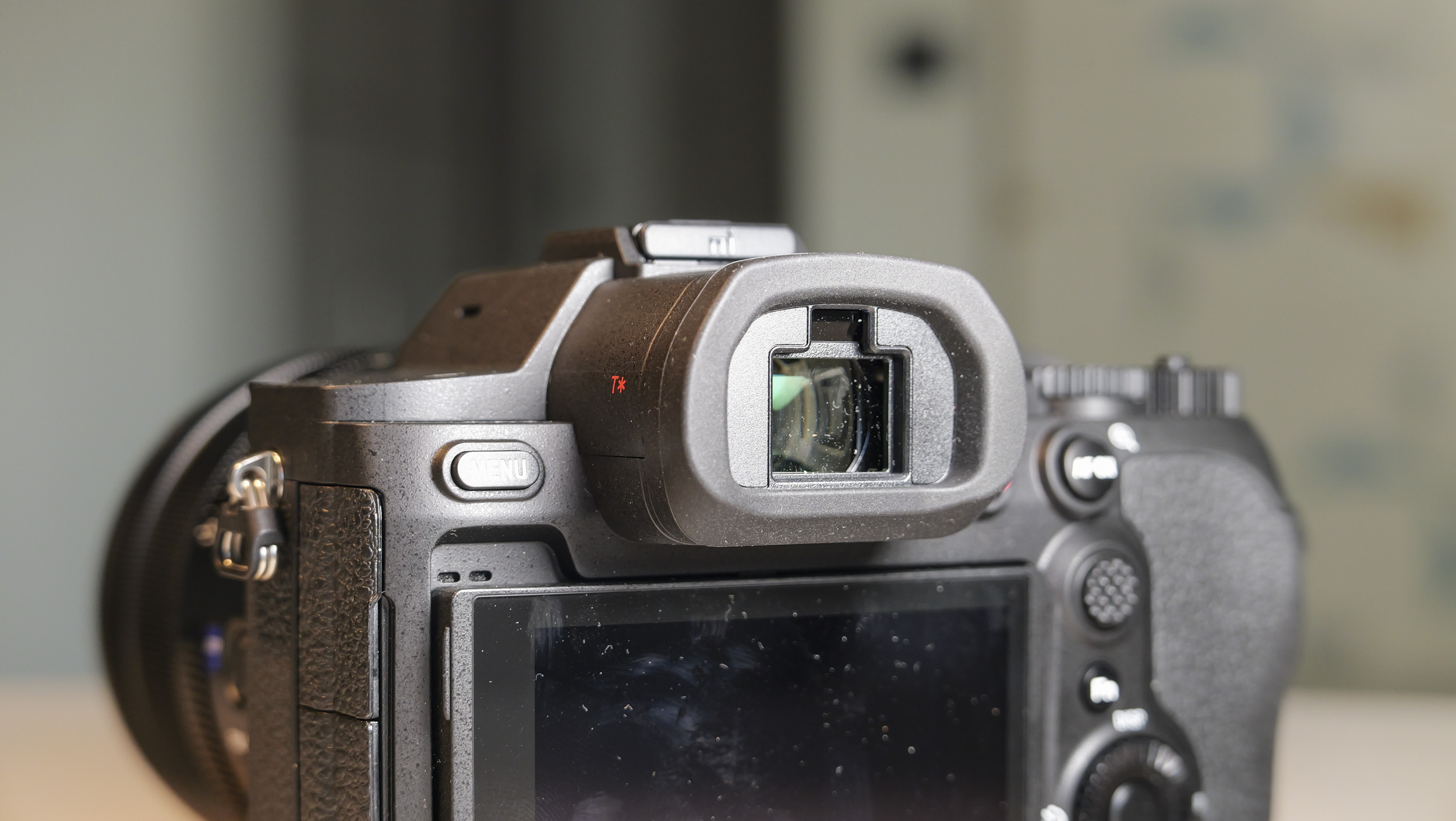
For telephoto wildlife photography, I find a viewfinder invaluable for composing shots and ensuring autofocus is on the money, so how do the displays compare?
The RX10 V’s viewfinder is bigger and more detailed than the Cyber-shot RX10 IV’s — it’s a 0.5-inch 3.68m-dot display. However, the A7R V’s viewfinder is in another league altogether, measuring 0.64 inches and being a brighter 9.44m-dot unit with 0.9x magnification. Put simply, it’s way more immersive. However, there’s less of a difference in viewfinder quality with an older, similarly priced Sony mirrorless camera, such as the A7 IV.
I was less concerned about the LCD displays for this comparison, but in case you’d like to know, the RX10 V has a 3-inch tilt touchscreen, while cameras at the RX10 V price point and above typically have a multi-angle display.
Autofocus
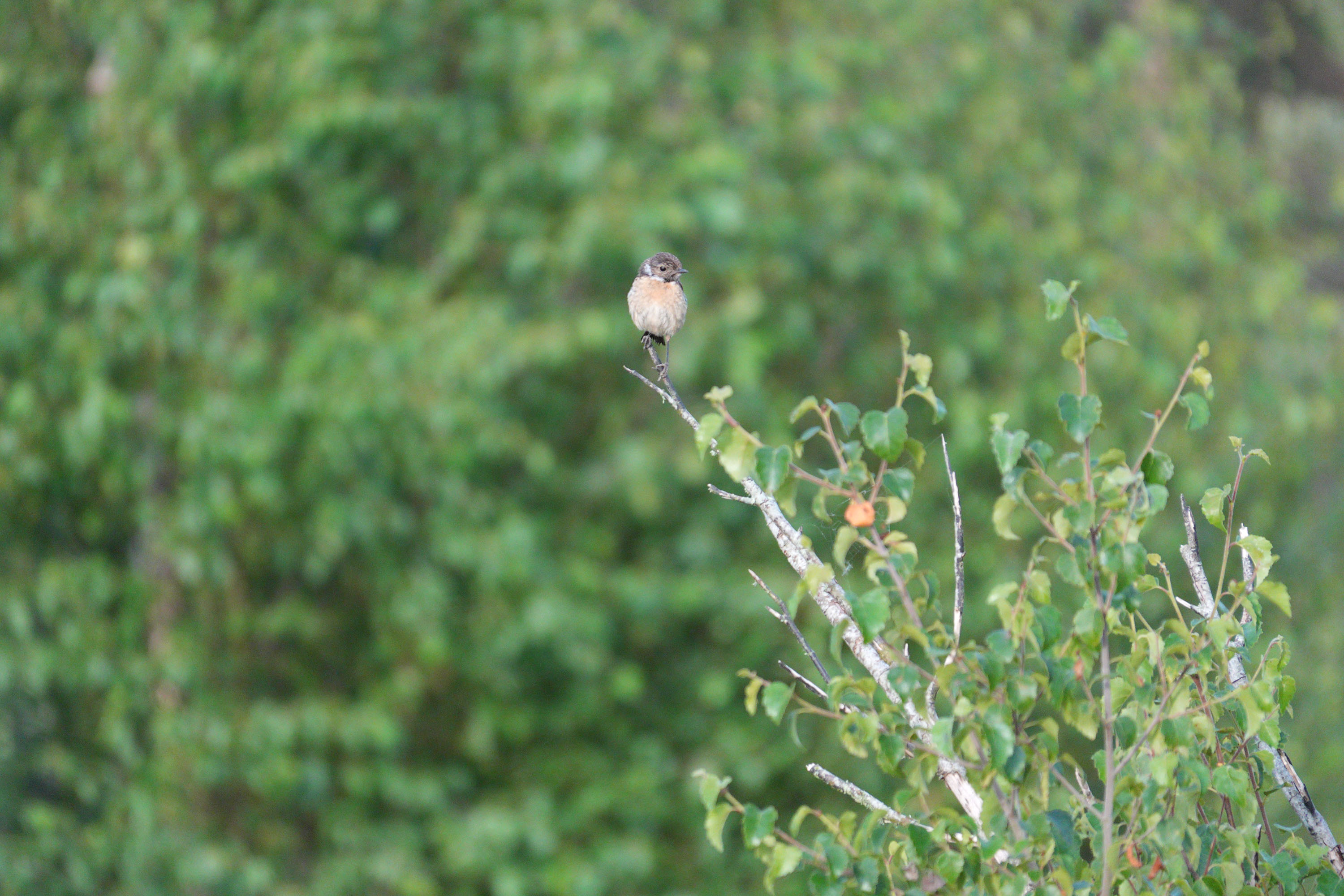
I was majorly impressed with the RX10 V’s autofocus skills. After all, it inherits the Bionz XR processor and AI chip with real-time subject detection autofocus from the recent Sony A7 V.
Bird detection autofocus was on the money, even when the isolated subjects were only taking up a small portion of the frame. It takes a little experimentation to figure out which autofocus area option yields the best results in any given situation, but with the right subject detection tracking and the best AF area option selected, you’ll struggle to find more reliable autofocus performance in another camera.
I can safely say that autofocus performance is an attribute where the RX10 V matches mirrorless camera capabilities.
Burst shooting
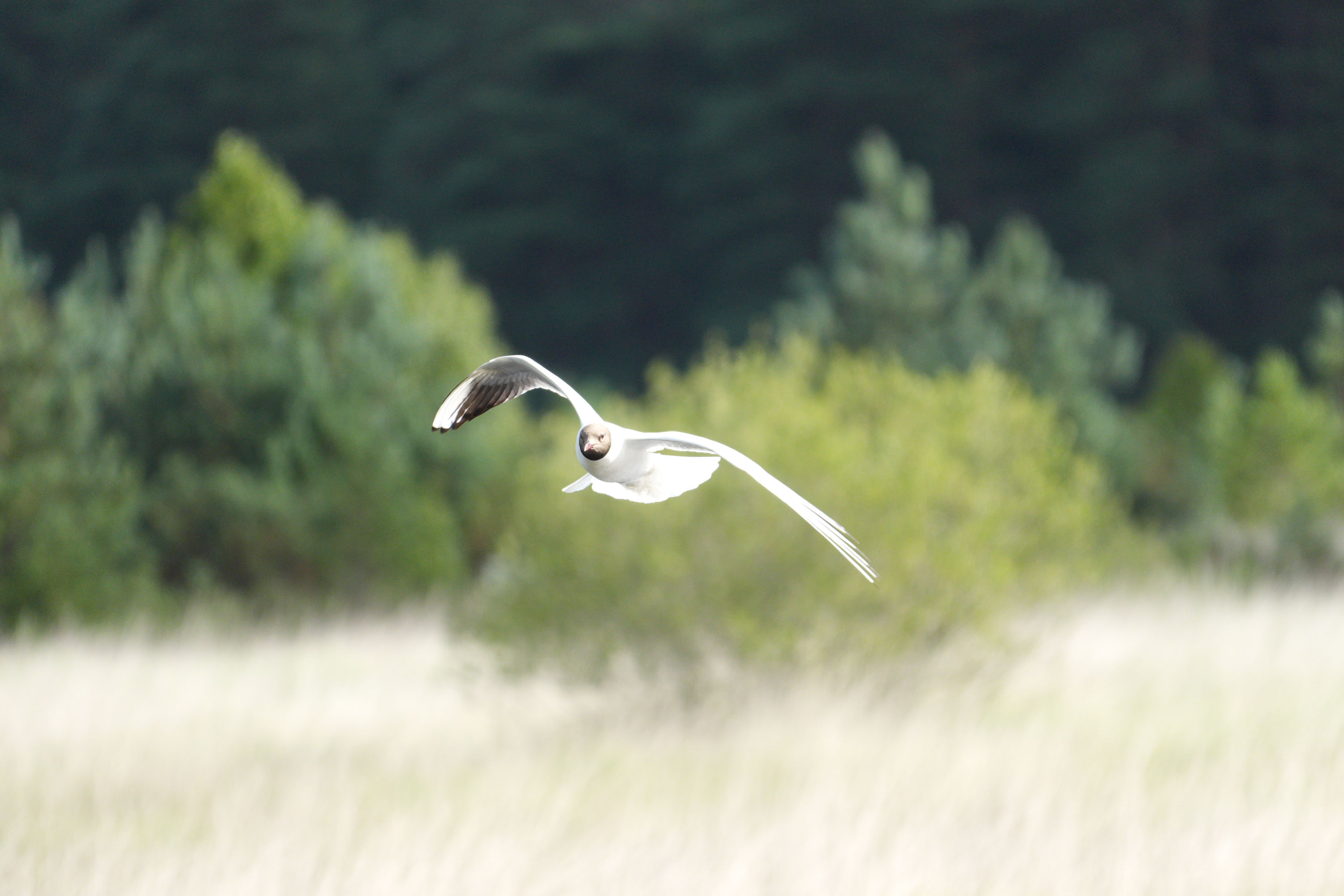
The numbers for the RX10 V are impressive: up to 30fps using the electronic shutter, or 10fps with the mechanical shutter. It also has the option for an instant speed boost from a slower rate to the max 30fps when the action strikes — a feature that can be assigned to one of the custom buttons.
I played around customizing various buttons for this feature, but annoyingly couldn’t find one that felt like it was logically placed, whereas Sony’s recent mirrorless bodies have a custom button on the front, to the side of the lens mount, which works best. I found the RX10 V button placement awkward for this memory-saving feature.
Neither camera had the pre-capture feature, which is super handy in wildlife photography for when your reactions aren’t up to speed. Sony’s pre-capture can buffer for up to a second before you fully press the shutter, say in the case of a bird taking flight. For the A7R V, the lack of pre-capture is understandable — the A9 III, which came later, was the first Sony camera to have this feature. However, for the RX10 V, it’s unfortunate, since other recent Sony cameras, including the A1 II, A7V and A7R VI, have it, so it feels like an oversight.
Image quality
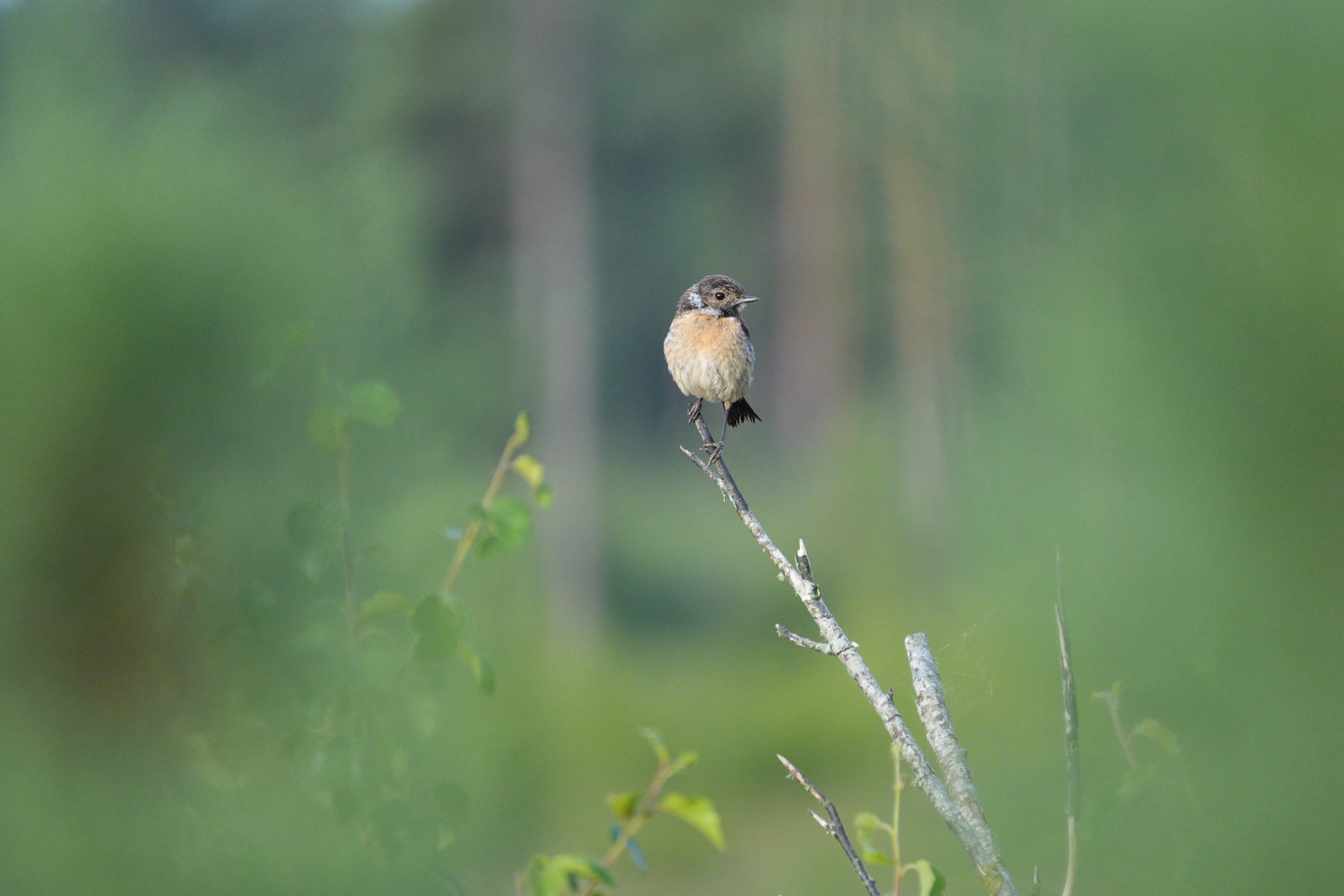
Image quality is where you might expect a real gulf to start opening up. The RX10 V shoots 20MP stills with a telephoto reach up to 600mm and a maximum f/4 aperture at this setting. Meanwhile, the mirrorless setup delivered 61MP stills (a more affordable mid-range model like the A7 IV is 33MP), and that extra 800mm reach.
Of any bridge camera, the RX10 V yields the sharpest results at 600mm and a pleasant subject separation thanks to that f/4 aperture. Compare the like-for-like mirrorless camera shots, and the RX10 V’s look soft by comparison, but only when you look closely. The mirrorless camera has way more pixels to play with, meaning you can crop more severely into photos and still have high-quality output.
The 400-800mm lens is indeed sharper, and even though its maximum aperture is f/6.3 (400mm) to f/8 (800mm), which minimizes its light-gathering advantage, there’s greater subject separation and dreamier results. Bokeh in foreground objects has a softer fall-off.
Another major difference is low light quality. In comparison shots taken at dawn (and nighttime photos I took later of the moon), the RX10 V images look muddier; less punchy, less sharp, just overall lesser quality. They still pass, but I would go for the mirrorless camera setup every time when the available light is minimal.
Conclusion
The Sony RX10 V is a truly excellent casual wildlife photography camera, with reliable subject detection autofocus and a decent telephoto reach combined with a bright f/4 maximum aperture. You can get pleasant subject separation and punchy images, when the light is good, though less impressive results when the light is dim. Overall, I’m really pleased with the quality of several photos I was able to take.
For wildlife photography, however, it was the mirrorless camera system that I enjoyed the most in the hand, and the one I wanted to use more of the two, helped by the superior end results (even with the smaller f/8 maximum aperture at 600mm). The brighter viewfinder and better button placement enhanced the experience, even if it was a weightier setup.
Yes, the RX10V is an excellent all-in-one camera — the best of its kind — but if you already own a mirrorless body and are serious about wildlife photography, picking up a supertelephoto lens like Sony’s 400-800mm instead will yield better results and likely be a more enjoyable user experience — if you’re willing to carry the extra weight.

Follow TechRadar on Google News and add us as a preferred source to get our expert news, reviews, and opinion in your feeds.
