


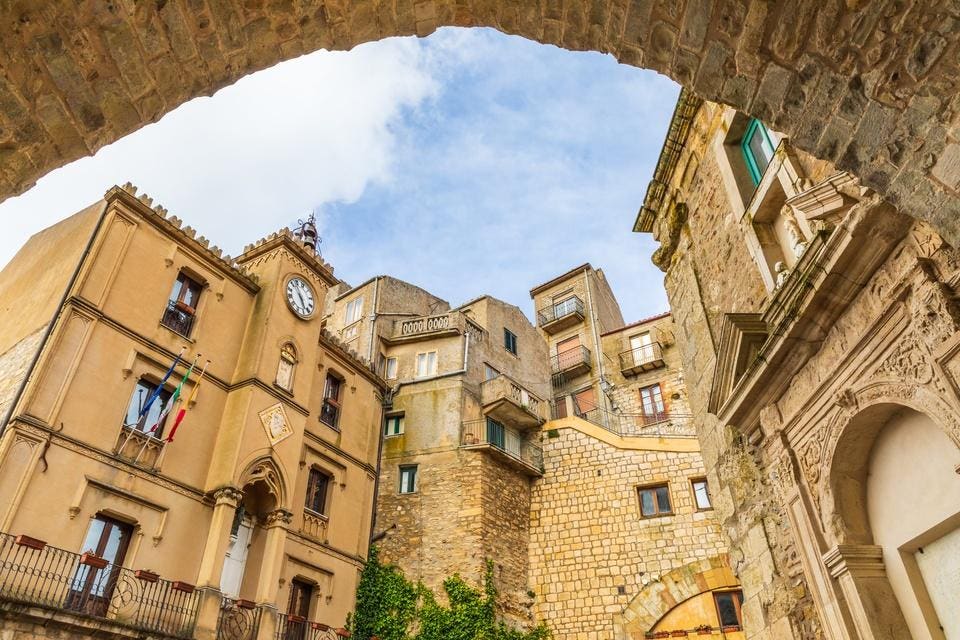
The Sicilian village of Gangi is currently selling off houses for as little as $1.
getty
The craze for putting houses on the market for €1 in Italy may have calmed, but there are still dozens of communities out there selling off properties for a pittance.
As remote working shows no signs of slowing and Americans are increasingly tempted by relocation to Europe, local councils in Italy are continuing to see interest in their investment schemes. And Italy’s rural depopulation crisis is as critical as ever, so towns and villages continue their quest for new residents from further afield.
Given that it has been years since the first €1 housing offer was launched, there are many easier ways to navigate the process, and professionals who can shoulder the bureaucratic burden.
Here’s everything you need to know about where and how to buy a €1 house in Italy in 2026.
Are Italian villages still selling off houses for €1?
Italy’s €1 housing offers can be hard to keep track of. Schemes are announced with fanfare, but are often quietly paused as properties are snapped up or funding for projects dwindles. Local councils also often temporarily halt initiatives or reopen offers with updated conditions, like different renovation deadlines or residence requirements.
The good news is, if you are on the hunt for a cheap property in Italy, there’s an indispensable website which brings all the current schemes together in one place. Renovita.net provides an interactive map with open offers categorized by municipality and pinned to their location.
You can also choose to navigate the list by village, where the site also shares information about the destination, including its history, cultural traditions, services, and climate. Crucially, the platform also shares links to regulations, eligibility criteria and application forms on municipal websites for prospective buyers, as well as key contacts.
What to know before buying a €1 house in Italy
Before you fall head over heels for a charmingly crumbling historic property, there are a few things you should make sure you are aware of, which often change depending on the scheme.
Many municipalities offer houses for a bargain on the condition that you renovate the structure within a given timeframe. Make sure you know when you have to begin restoration work, whether you need to submit plans to be approved, and when the deadline is. You may be required to pay a deposit, which the local council can keep if you do not adhere to regulations.
Often, villages want to ensure that new homeowners will also boost population numbers, so they require you to become a resident for a minimum period of time, launch a business, or use your property as your main home or guest accommodation. Read up on guidelines about property use before applying.
How to buy a €1 house in Italy
Once you’re sure about the house you want to purchase, you might want to consider professional help to deal with Italy’s notoriously convoluted bureaucracy.
“Buying property abroad as an expat can seem complicated with unique challenges such as language barriers, exchange rates, and more difficulty getting a mortgage. But it’s pretty straightforward if you know what you’re doing,” says William Cooper, Marketing Director at health insurance experts William Russell.
Cooper recommends hiring local property and law experts to help navigate language barriers and local laws. If you can, pick estate agents and local legal council officials who specialize in working with expats. For legal experts, make sure they’re registered with any local legal councils. If you don’t speak the language or aren’t fluent in it, more often than not, these experts will act as your translator, too, which will help streamline the process.
Prospective buyers should also monitor currency exchange rates, as transferring your money froma foreign bank account to your overseas seller may incur a currency conversion charge. “Arrange your financing ahead of time, whether it’s through a local bank or an international mortgage. Keep a close eye on currency fluctuations and consider using a foreign exchange specialist to save money,” says Cooper.
As an expat, you might need to supply your mortgage lenders abroad with more extensive paperwork, such as proof of income, tax returns, and credit history. Plus, there are extra expat-only steps you’ll need to go through, such as anti-money laundering and tax checks.
“Some countries require expats to take out things like private health insurance as part of the process, too. So it’s a good idea to get these organised and translated well in advance to prevent any hiccups,” Cooper adds.
