


Worms in food. Aggressive guards. Healthcare out of reach. From Texas to New Jersey, allegations of poor detention conditions mount as a flood of funds to immigration enforcers arrives.
Immigration and Customs Enforcement scored a multibillion-dollar boost from Congress last week, ending a failed push for agency reforms by Democrats. The Secure America Act, signed into law on June 10, gives ICE funding for the rest of President Donald Trump’s term – more than $38 billion for costs such as personnel, transportation, and facility maintenance.
Those funds come after ICE received a historic windfall of $75 billion from Congress last year, with more than half that amount meant for detention. More than 60,000 people were held in ICE detention as of early April, the latest data available.
Why We Wrote This
As historically high funding flows to Immigration and Customs Enforcement, complaints about detention conditions are rising, too. Detainees, their advocates, and government watchdogs cite spoiled food, poor sanitation, and little access to healthcare.
Holding immigrants is key to the administration’s deportation push, but the agency says it isn’t meant as punishment. Federal officials say detention ensures noncitizens attend immigration court dates, and, if ordered deported, are easy to remove. Immigrant advocates counter that harsh conditions can coerce some detainees to choose deportation over a prolonged loss of freedom.
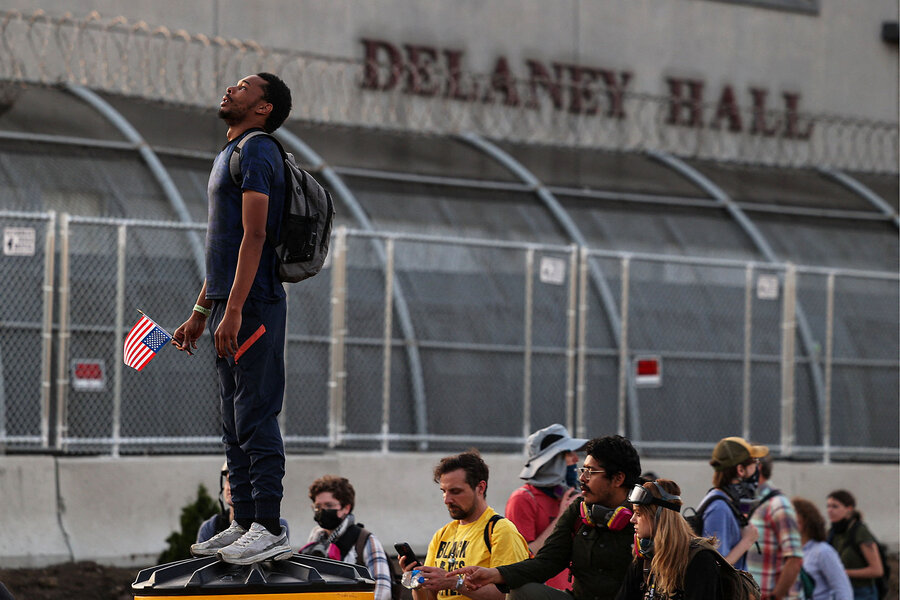
While independent federal investigators and detainee complaints continue to ring alarms throughout the country, a New Jersey facility, Delaney Hall, has become a flashpoint.

Reflections of protesters are seen in the sunglasses of a federal law enforcement officer during protests against Immigration and Customs Enforcement outside the Delaney Hall detention center, in Newark, New Jersey, June 6, 2026.
What’s happening at Delaney Hall?
The Trump administration reopened the Newark facility as an immigrant detention center last year. People protesting in solidarity with detainees have clashed with law enforcement outside the building, leading to more than 80 arrests over the last several weeks, The Associated Press reports.
The American Friends Service Committee, a social justice organization, has publicized allegations from detainees there who demand release. Those complaints include worm-ridden food, medical neglect, aggressive guards, and lack of necessities, such as toilet paper. A labor and hunger strike began in May.
Detainees “deserve to be heard and the public deserves answers,” Democratic Gov. Mikie Sherrill said in a statement last week after taking what she called a limited tour of the site. The New Jersey health commissioner has sued the facility’s operator in state court, accusing The GEO Group of barring full access for inspection.
The GEO Group, the for-profit company that operates the facility, did not respond to requests for comment. The current head of ICE is a former GEO Group executive.
Hunger-striking detainees can “go back to their country, get whatever food they want,” Homeland Security Secretary Markwayne Mullin has previously said. “This isn’t Holiday Inn.”
As it denies claims of poor conditions at ICE sites nationally, the Trump administration has defended its use of Delaney Hall. Rep. Jeff Van Drew of New Jersey, who toured the Newark facility on June 1, said he was impressed.
“Everything was clean. Everything was nice. Everything was safe,” the Republican congressman told NJ Spotlight News. He called the meals “nutritious.” A spokesperson for his office, Paxton Antonucci, said Mr. Van Drew notified authorities of his interest in visiting the day before he arrived.
Darius Reeves, a former ICE deportation officer in New York, recalls that Delaney Hall was the agency’s “worst facility” before it initially closed, with multiple problems that included “constant escapes” by detainees.
Some Democrats in Congress have called for Delaney Hall’s closure once again. Yet Mr. Reeves cautions that removing ICE facilities from cities that limit cooperation with federal immigration enforcement can mean more family separation across state lines. That’s because detainees are transferred to open beds farther away from home.
He saw that dynamic as an ICE field office director in Maryland, where state law bans state and local governments from immigrant detention contracts. Because of that law, “Our arrests were being sent out to Atlanta, New York, Pennsylvania,” says Mr. Reeves.
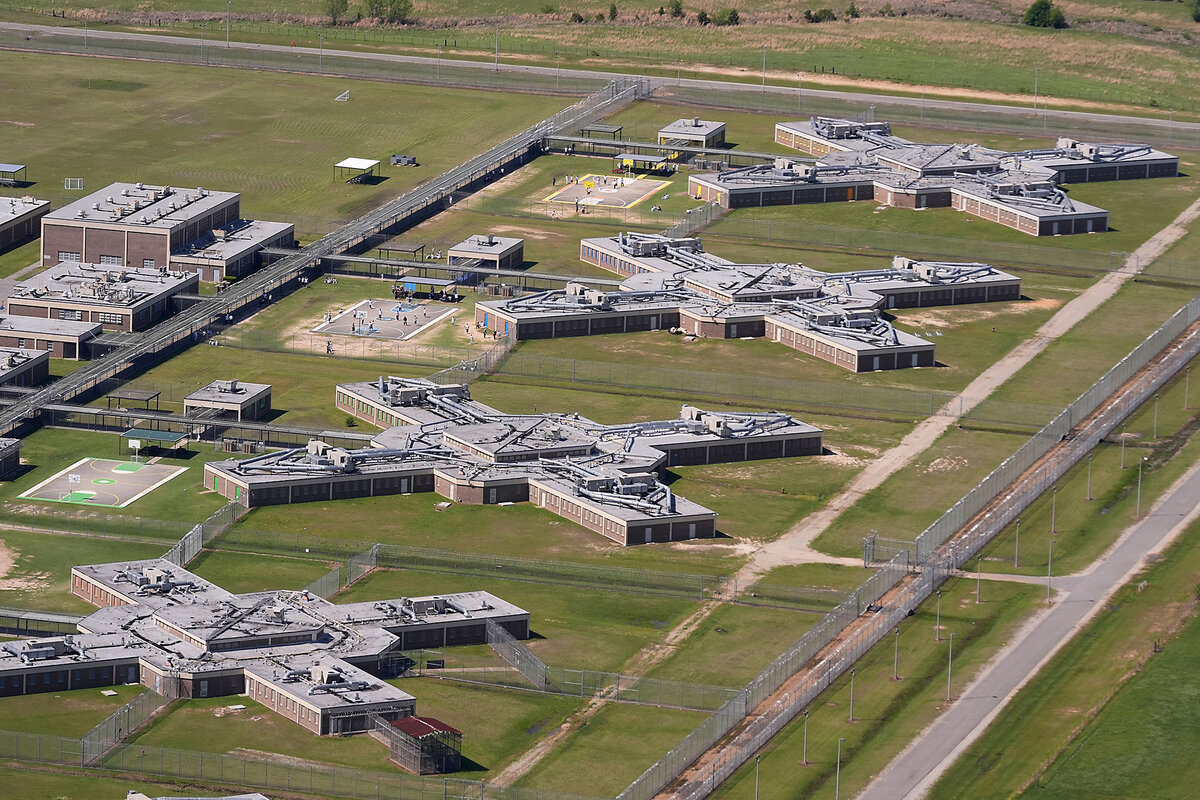
An investigation within the Department of Homeland Security found that the Winn Correctional Center, an ICE detention facility in Louisiana, had lapses in sanitation, access to legal materials, and proper storage of perishable food.
What have investigators found at other facilities?
Beyond Delaney Hall, reports released from federal watchdogs in June point to concerns at other ICE sites.
A Department of Homeland Security Office of Inspector General report from June 2 documents findings from an unannounced visit to a detention center in Louisiana. At the Winn Correctional Center, inspectors found lapses in sanitation, access to legal materials, and proper storage of perishable food. ICE concurred with the report’s recommendations, which included fixing leaking pipes, storing food at proper temperatures, and ensuring compliance with use-of-force standards.
Separately, the Government Accountability Office last week released an analysis of an ICE detention site in Texas that was an unusual collaboration with the U.S. Army. In addition to millions of wasted dollars because of poor planning last year, investigators found sanitation issues and lack of adequate healthcare at Camp East Montana near El Paso. And after a detainee died by use of force in January, the facility did not produce required reports to ICE, according to the GAO, and “evidence associated with the incident was missing or destroyed.”
ICE concurred with recommendations in the GAO report. The Pentagon agreed to identify lessons learned from its involvement at the site, but said its perspective was sidelined in the drafting of the report, claiming investigators relied too much on ICE’s perspective about the awarding of the contract.
Across 98 ICE facilities, use-of-force incidents by detention staff rose by 37% during Mr. Trump’s first year back in office, compared with the previous year, a Washington Post investigation found. A DHS spokesperson told the newspaper that ICE officers are “trained to use the minimum amount of force necessary” to de-escalate dangerous situations.
At least 18 detainees have died this year – on track to surpass the total from last year, AP reports. DHS counters that the death rate in custody is low, below 0.01%.
Meanwhile, ICE detention has lost a key oversight office.
What happened to an ICE detention watchdog?
In 2019, Congress created a watchdog within DHS to investigate misconduct and rights violations in immigrant detention. The Office of the Immigration Detention Ombudsman oversaw detention by ICE and by U.S. Customs and Border Protection.
The Trump administration has dismantled the office. DHS says Congress shut it down without renewing funding, though the department had also directed a reduction in workers.
“DHS remains committed to civil rights protections but must streamline oversight to remove roadblocks to enforcement,” an agency spokesperson said in an unsigned statement, adding that ombudsmen offices have “obstructed immigration enforcement” through bureaucracy.
Immigrant advocates disagree. The closure of the detention oversight office has concerned Michelle Brané, who served as an ombudsman during the Biden administration.
There is a “purposeful deterioration of conditions under this administration … to use as a pressure point for people to leave the country,” says Ms. Brané. “If you are depriving people of their liberty, we have a responsibility to keep them safe.”
