



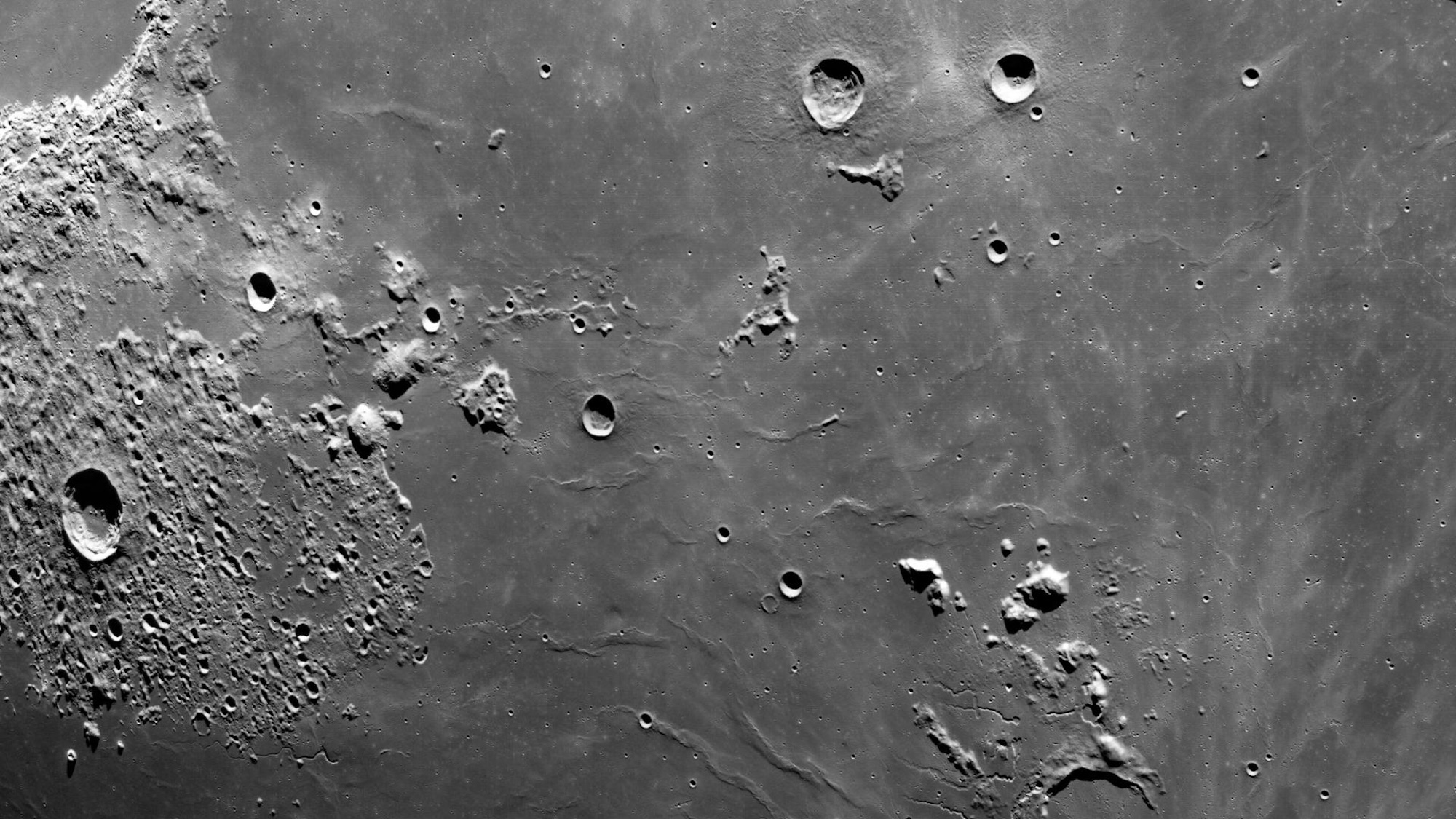
NWA 12593 was discovered in Mali in 2017.
Credit: NASA / JSC
Get the Popular Science daily newsletter💡
Breakthroughs, discoveries, and DIY tips sent six days a week.
By signing up, you confirm you are 16+, will receive newsletters and promotional content and agree to our Terms of Use and acknowledge the data practices in our Privacy Policy. You may unsubscribe at any time.
A rare type of meteorite discovered in Mali is revealing a multibillion-year tale of lunar catastrophes. With its unique composition, astronomers are beginning to better understand the processes that shaped not only the moon and Earth, but the solar system itself.
The study recently published in the journal Geology is nearly 10 years in the making and focuses on a meteorite classified as NWA 12593. Found in the west African nation in 2017, experts soon recognized the space rock as an especially unique specimen. NWA 12593 is one of only 53 known lunar breccia—a meteorite formed by the amalgamation of multiple moon fragments during separate impacts billions of years ago.
“Breccias are similar to what you would see if you went and chipped out a chunk of concrete. You would see all these little rocks, and then they’re fused together by the cement,” Carolyn Crow, a planetary scientist at the University of Colorado Boulder and study co-author, said in a statement.
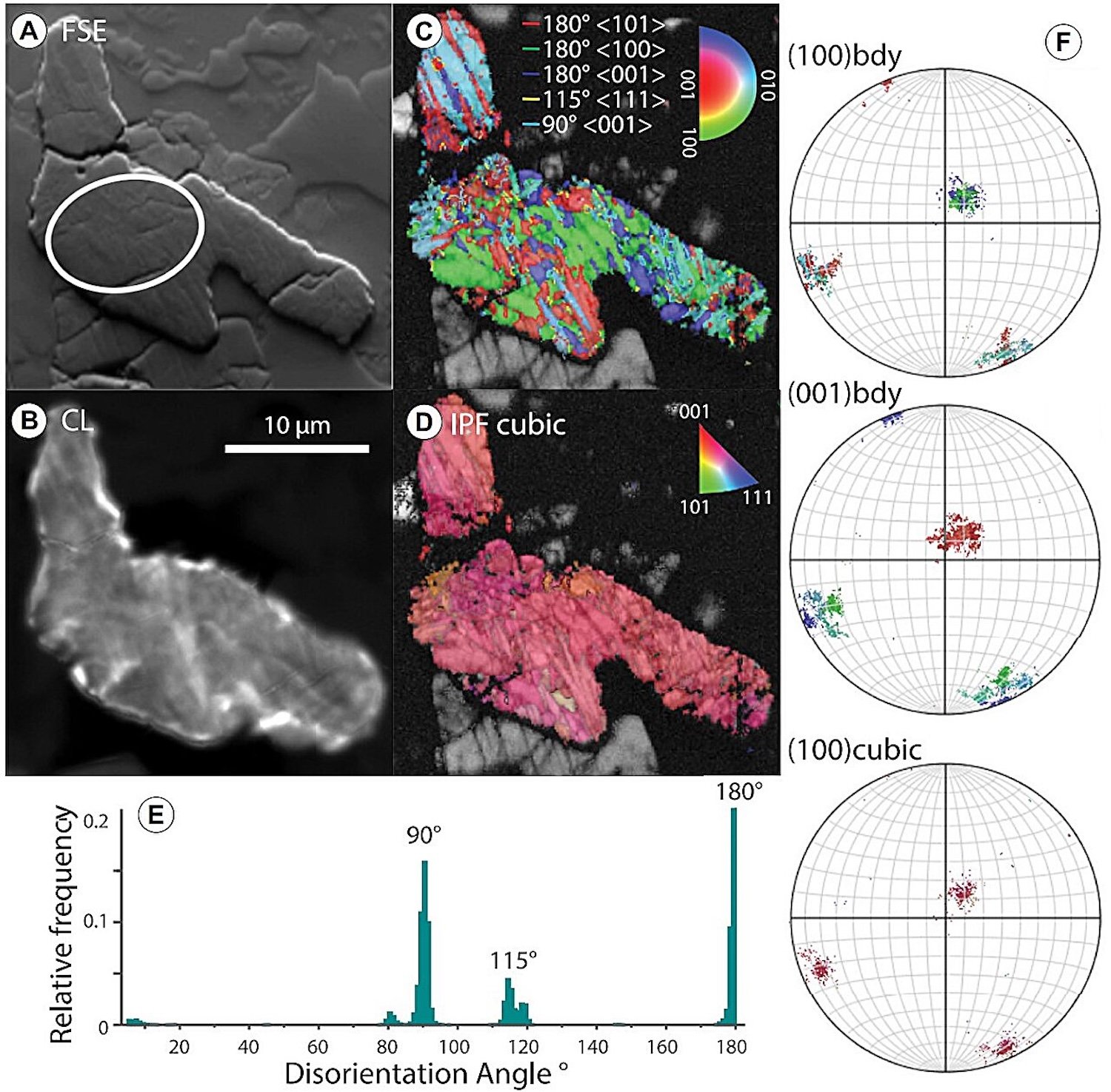
Crow and her colleagues used radiometric dating and chemical analysis on NWA 12593 to successfully identify evidence of three major impact events in the moon’s past. The earliest occurred around 3.5 billion years ago amid an era that also produced the first known fossil evidence of life on Earth. This collision was powerful enough to reduce the moon’s surface to molten rock similar to a lava flow.
The impact also created cubic zirconia, a mineral that only forms during extremely high temperatures. Known for its uses in jewelry, cubic zirconia doesn’t last in cold, uncontrolled temperatures. While the mineral disappeared as the lunar surface eventually solidified and cooled, researchers pinpointed lingering traces of its existence in NWA 12593.
The second impact event formed the breccia itself. In the aftermath of that meteor strike, slabs of lunar rock slammed into one another to create a mosaic of materials.
“The meteorite is fused together by the impact process. You get all these chunks of different kinds of rocks that the impact hit into,” explained Crow.
The third event explains how the lunar breccia reached Earth. At some point in the more recent past, yet another impact cracked off a piece of our moon itself and sent it hurtling towards the planet.
A portion of the meteorite’s story also aligns with a tumultuous chapter in Earth’s geological history. The 3.5-billion-year-old impact identified in the breccia occurred around the same time as known impacts on both Earth and the asteroid 4 Vesta, fourth-largest member of the asteroid belt between Mars and Jupiter. This was a particularly chaotic time in the solar system, with planets still forming amid near-constant collisions Knowing this, further examination of NWA 12593 can help contextualize the history of Earth, the moon, and the wider cosmic neighborhood.

2025 PopSci Best of What’s New
The 50 most important innovations of the year
