



Image: Foundry
Summary created by Smart Answers AI
In summary:
- Macworld reports that iOS 27 developer beta 1 has already attracted early adopters, with 2% of site visits coming from iOS 27 devices despite recent release.
- Apple has simplified beta participation by removing fees and streamlining installation, making it easier for non-developers to access early iOS versions.
- Safari’s privacy changes from iOS 26 onwards may distort web analytics data, meaning official adoption rates won’t be available until Apple releases figures in early 2027.
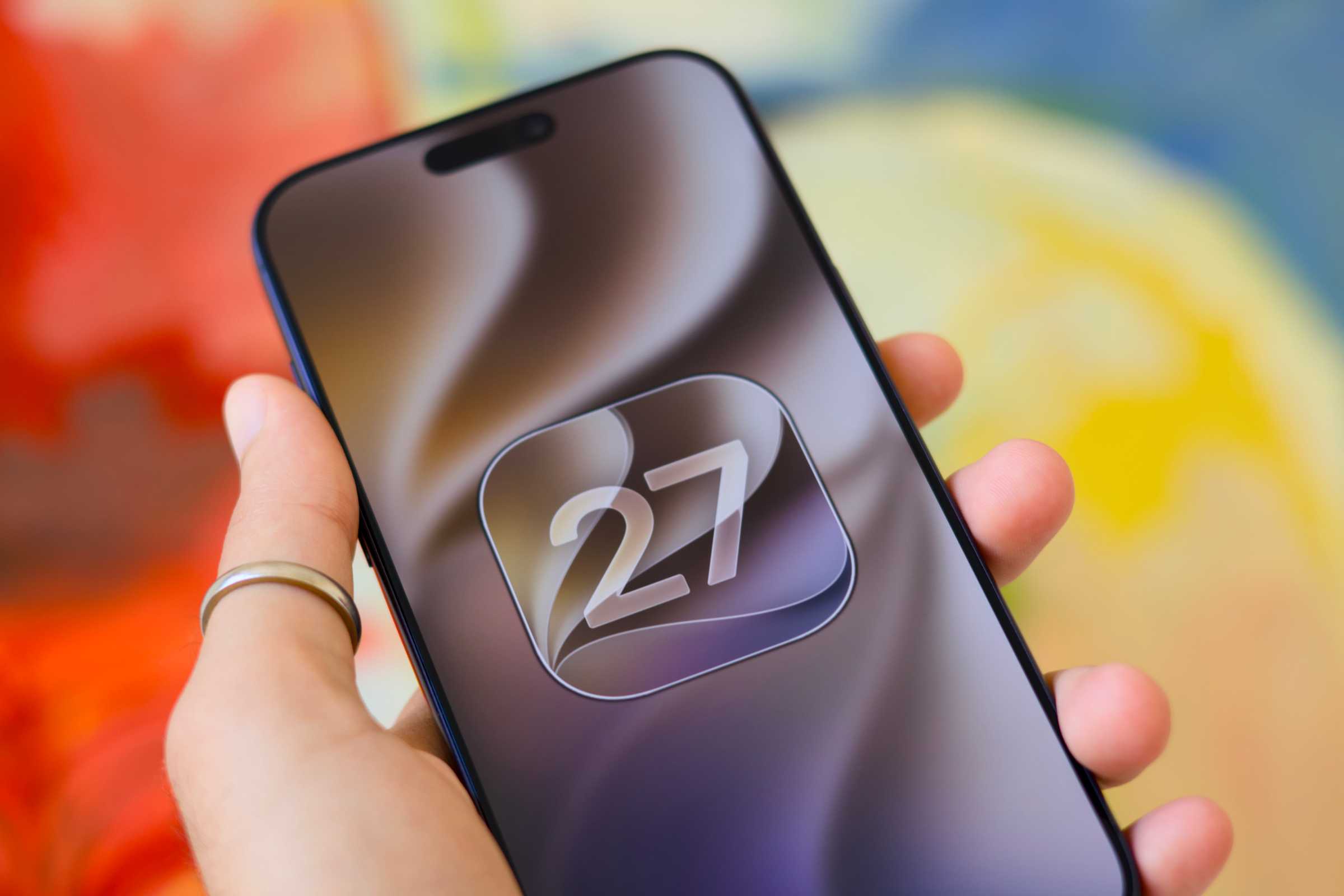
The iOS 27 developer beta 1 was released less than two weeks ago. Usually, we here at Macworld don’t recommend that you install early betas on your primary devices, especially on machines you use for work. Early betas often have user interface quirks, and the OS itself can be unstable compared to official releases to the general public. Betas are used by Apple to iron out the kinks and fix any hidden pitfalls. You absolutely are not obligated to be a beta tester.
That being said, it’s easier than ever to participate in the early testing, even if you aren’t truly a developer. (Apple also offers a public beta program, where the betas tend to be more stable.) Also, Apple has made downloading the beta no more complicated than a regular update and removed the fee for developer testing. So, there are no real obstacles to installing the beta, other than whether your devices fit the requirements.
By the look of things, there’s a very good chance that you’re already using the iOS 27 beta 1. According to Google Analytics logs for Macworld and our sister site in Germany, Macwelt, several of our readers have already taken the plunge and installed iOS 27 on their iPhones. Combined visits for the sites from iOS 27 devices were about 2 percent, a small but not-insignificant number.
Those numbers are similar to the week following WWDC last year, when everyone wanted to try out Liquid Glass. Interestingly, a search in Google Analytics for iOS 26.0 or iOS 26.0.0 results in no data recorded–it was as if the system didn’t even exist at that point. If you recall, WWDC25 was when Apple switched its OS nomenclature to a year-based system, so last year, instead of iOS 19, we got iOS 26. Something in the iOS 26 beta was registering as iOS 19 in Google Analytics.
As you can easily see, one week after WWDC last year, there were slightly more visits to our sites from the iOS 26 beta 1 than this year. This by no means suggests that iOS 27 is generally unpopular, as Apple made some changes to the user-agent data sent to websites with the early versions of iOS 26. To prevent fingerprinting, Safari does not specify a specific iOS version from iOS 26 onwards. This led to a misunderstanding by web analytics firms that reported that iOS 26 was unpopular. In fact, the change in Safari was responsible for the distorted results by website logs.
Nevertheless, visits to Macwelt and Macworld show that there is considerable interest amongst enthusiasts in trying out the new system. Ultimate success will likely be gauged by the adoption rates of iOS 27.2 and 27.3, when Apple releases its own figures in late January or early February 2027.
This article originally appeared on our sister publication Macwelt and was translated and localized from German.
