


Gado/Getty Images
With one of its first public showings coming at the 2008 TechCrunch50 show, the original Fitbit was among the earliest health trackers of its kind. The wearable has gone through several evolutions and technological advancements since being released a year later in 2009. It also went through a few price changes across the years, as well.
When the Fitbit first released, its price was set at around $99 — that’s comparable to the price of a Google Fitbit Air today. However, when taking into account the price of inflation between 2009 and 2026, that price of $99 back in 2009 would be more like $155 and some change today. That’s less than the price of a brand new Google Fitbit Edge today, which will set you back nearly $179.99. If the Google Fitbit Edge was on sale in 2009, its price would have translated to around $114.60, give or take.
In the 17 years since the release of the first ever Fitbit, the price has significantly risen for the wearable device. Of course, there are reasons for the increase in price, aside from inflation. Many of these have to do with the sheer number of cool new features for your Fitbit and the addition of new and more advanced technology.
Comparing Fitbit features between 2009 and 2026
Gado/Getty Images
There are several differences between the Fitbit of yesteryear and the Fitbit of today. One key change can be spotted straight away if you look at pictures of an old Fitbit from 2009: The early iterations of the Fitbit didn’t have a strap or band to wear around your wrist. Instead, they would be clipped onto your shirt, shoe, pants, or whatever piece of clothing you wanted.
They also functioned rather differently and acted more like an updated pedometer or step counter rather than a full health tracker. The first model featured an OLED display that included several screens you could look at to monitor steps, distance traveled, and burned calories, making it not too dissimilar to the Fitbit of today in that way. But the Fitbit of 2009 paired with your computer, whereas the ones of today come with Bluetooth to connect directly with your smartphone.
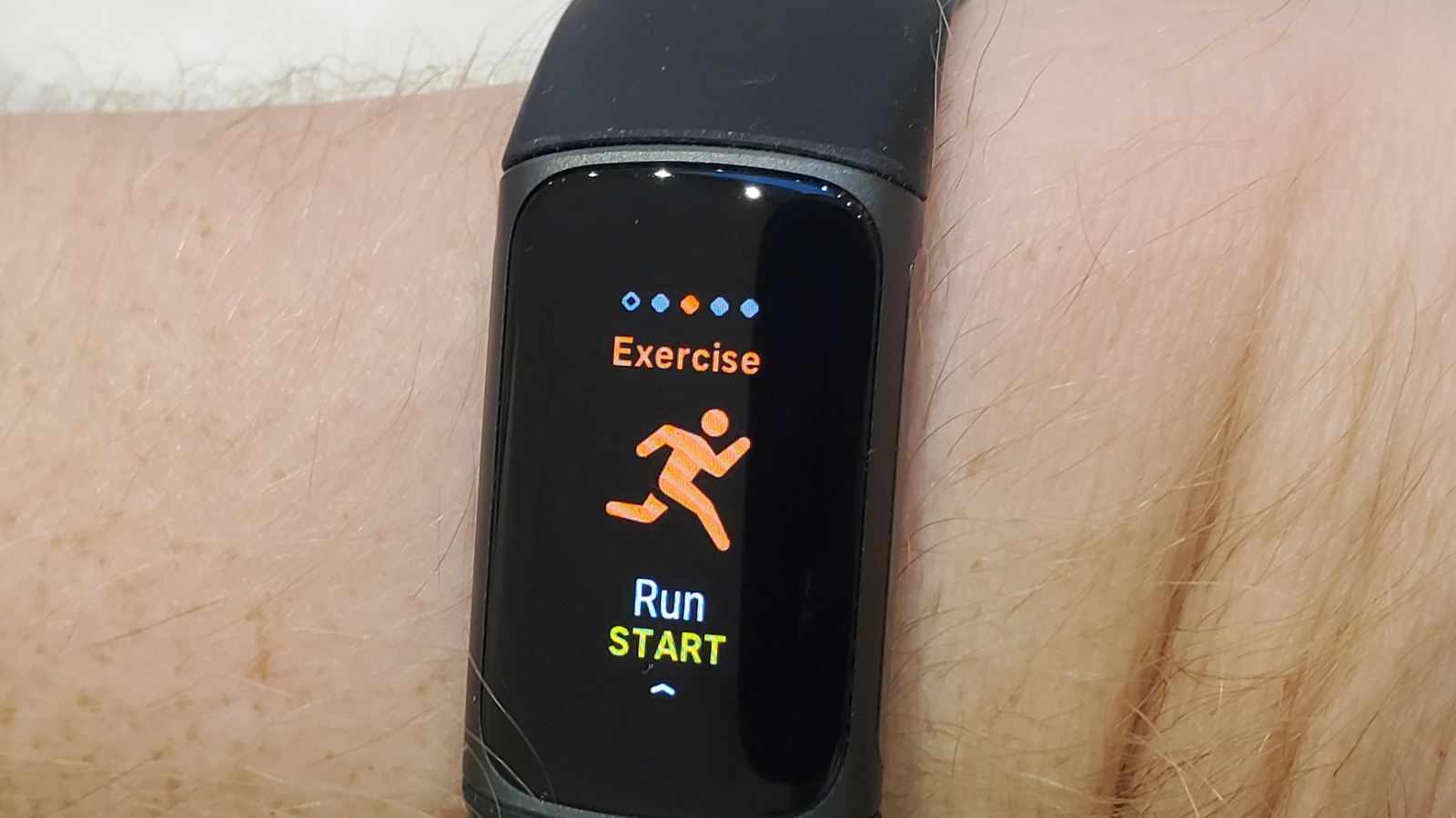
Fitbit models from 2026, such as the Google Fitbit Edge, track all of that as well, but also offer updated features such as Gemini AI that acts as sort of a health coach to guide users on their health journey. They also include features that track runs, workouts, dancing, yoga, food, water, timers, and other enhanced additions to better monitor your overall health and fitness goals.
What factors contribute to Fitbit’s price changes?
Smith Collection/gado/Getty Images
There are various factors that have likely led to the increase in price for wearable tech such as Fitbit. One of these is the fact that Fitbit is now owned by Google, a larger company. With that well-known pedigree comes not only an increase in recognition, but perhaps also the name-brand “tax” of anything that Google’s logo may be attached to.
Another reason Fitbit models are more expensive in 2026 is simply the amount of technology inside of them — that, and what is powering all of that tech. With the inclusion of advanced features powered by AI, in this case Gemini, comes an uptick in materials cost. It’s more expensive to make products that can run AI tasks, therefore, it’s getting more expensive to buy products that include the technology.
Inflation is also another reason Fitbits cost more today than they did in 2009. The cost of a Fitbit will also depend on its features. For instance, you should know before buying a Google Fitbit Air that it does not include a display. This makes it cheaper, as it does not have the added bill-of-goods costs that a display, digitizer, and the associated software would bring. It just goes to show that no matter what, wearable tech can cost you quite a bit — but just how much it costs depends on what you want to get out of such a device.
