



Abigail Spanberger won a landslide victory in the Virginia governor’s race last November with a platform that focused on reining in rising electricity costs. Virginia is home to the world’s largest concentration of artificial-intelligence data centers, and the state’s biggest utility is straining to meet an expected surge in power demand. Spanberger, a Democrat, promised on the campaign trail to “make Virginians’ bills more affordable.”
It might seem surprising, then, that the new governor signed a bill last month that would return Virginia to the Regional Greenhouse Gas Initiative, or RGGI, a carbon pricing program that covers electrical utilities in states across the Northeast and mid-Atlantic. Spanberger’s Republican predecessor, Glenn Youngkin, pulled out of the program in 2022.
“Cap-and-trade” programs like RGGI put a ceiling on the amount of planet-warming carbon dioxide that utilities are allowed to emit when they generate electricity, and they require utilities to pay for every ton of carbon they emit below that cap. These programs can help drive utilities toward cleaner fuels, but they also increase costs, and those costs get passed on to consumers. As a result, cap-and-trade programs have come under scrutiny as Democrats pivot to a focus on lowering costs for voters concerned about inflation. Democrats in California have called for relaxing the state’s cap-and-trade system this year, and New York Governor Kathy Hochul, a Democrat, has tried to punt on launching a cap-and-trade system that would apply to emissions from cars and buildings, on top of the state’s membership in RGGI.
Supporters of RGGI (pronounced “reggie”) say that rather than driving bills up for Virginia households, re-entering the carbon price alliance could protect many families in the state from shouldering the costs of the data center boom. The revenues from selling pollution permits could eventually lower energy bills in many households and speed up Virginia utilities’ shift away from fossil fuels.
“Of course [RGGI] imposes costs on ratepayers, because we’re trying to internalize the costs that pollution is causing on everyone else,” said William Shobe, an original architect of the RGGI program who is now an emeritus professor of public policy at the University of Virginia. “But it’s really important to make sure we don’t make a good environmental policy regressive. if you design it right, it’s another tool for reallocating the costs that data centers are imposing on ratepayers.”
The 10 other states in the RGGI program agree by consensus to lower the cap on emissions every few years, which should encourage utilities to adopt more renewable energy, such as solar and wind. Since the program launched in 2009, utilities have reduced their overall emissions — mainly by replacing dirty coal power with natural gas.
More than half of Virginians get their electricity from a giant utility called Dominion, which serves the state’s populous coast. In the past, Dominion has dealt with RGGI costs by imposing a per-watt surcharge on all customers. It came out to around $5 a month for the average household. Some have argued that the utility never needed to pass on these charges, but now that Virginia is rejoining RGGI, a representative from Dominion told Grist it will seek to reimpose them.
The price of a RGGI pollution permit has doubled in the past five years — from $8 to $16 for every ton — as member states have tried to ratchet down carbon emissions. At the same time, energy consumption in Virginia has increased by around 15 percent due to the AI boom. Data centers now consume around 20 percent of the state’s electricity, a number that could increase to more than 50 percent by 2030, according to the Electric Power Research Institute, an independent research firm.
That surge in demand means that Virginia’s utilities will have to purchase more carbon permits from RGGI, which will make it more expensive for them to burn natural gas. Even though Virginia left the alliance for a few years under Youngkin, it will have to keep up with the pace of decarbonization across the rest of the Northeast.
“[Virginia] is coming back at the allocation where they would be if they had not left,” said Andrew McKeon, the head of the nonprofit that manages RGGI, during a talk earlier this month at the BloombergNEF energy summit in New York City.
But returning to RGGI might not harm Spanberger’s affordability agenda as much as opponents claim. States spend the revenue raised from permits on projects that help reduce energy bills. Before it left the program, Virginia spent about $250 million in RGGI funds to make low-income households more energy efficient by, for instance, weatherizing homes against temperature swings and upgrading HVAC systems. These improvements even benefit customers who don’t receive them because using less energy tamps down prices. That’s not to mention the future health benefits of reduced pollution from coal and gas plants.
Data centers themselves will likely foot a large share of the bill for rejoining RGGI, since they use such a big share of the state’s electricity. Late last year, Dominion rolled out a new rate structure for “large load” users, requiring them to pay for most of the cost of generating and distributing the power they need, an effort to ensure those costs didn’t get spread onto ordinary homeowners. Shobe said that Virginia legislators are weighing whether to change the way they spend RGGI’s revenues so that some of the money gets funneled to help low-income families pay their electric bills.
“It [would be] an automatic mechanism for recovering some of those increased costs and giving it back,” he said. Some low-income households that don’t use much energy would see their bills go down compared to if Virginia wasn’t in RGGI. (Shobe has been appointed to Virginia’s state air pollution control board, though he doesn’t have an affiliation with the Spanberger administration.)
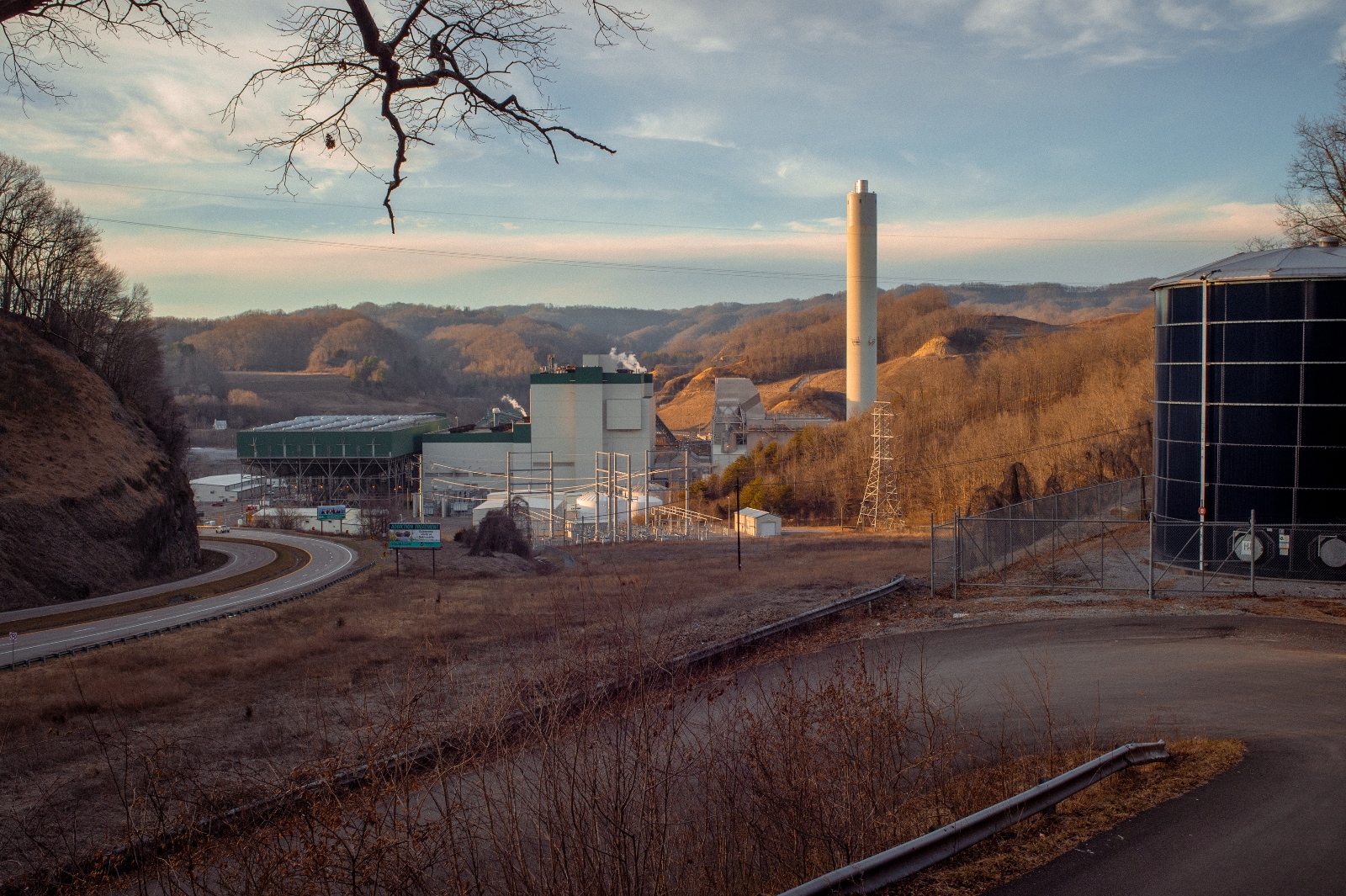
Mike Belleme for The Washington Post via Getty Images
Even if RGGI doesn’t threaten Spanberger’s promise to lower energy bills, experts disagree about how much the cap-and-trade program will do to speed Virginia’s shift off fossil fuels. The state legislature has already ordered Dominion to phase out all its fossil fuel plants by 2045, although the utility is allowed to keep them open if it’s necessary to avoid blackouts. Dominion has brought around 2 gigawatts of solar power online over the past decade, and plans another 16 gigawatts over the next decade, at a cost of around $8 billion. In 2024, fossil fuels made up about 60 percent of Virginia’s energy mix, with the rest coming from nuclear and some solar.
Dominion will also soon begin taking power from the country’s largest offshore wind farm, Coastal Virginia Offshore Wind, which is nearing completion despite interference from the Trump administration. But the company is also seeking to expand a large gas power plant over the objection of environmentalists and community groups. Dominion plans to spend even more money on gas development than on solar, and it has met data center demand by importing power from dirtier coal and gas plants in West Virginia and Ohio. The utility said last year that phasing out its use of fossil fuels to meet the state’s law would cost $270 billion. (Environmental groups have disputed these estimates.)
Given the existing Virginia Clean Economy Act mandate and the high cost of maintaining reliable round-the-clock power without fossil fuels, some doubt that RGGI will push Virginia off natural gas any faster.
“I don’t see a magic wand, we’re hitting the ceilings everywhere,” said Shuting Pomerleau, an energy analyst at American Action Forum, a center-right think tank. “I will be very skeptical if all these things combined could accelerate the decarbonization much faster than it currently already is.”
But supporters of Virginia’s rejoining RGGI argue that it will influence decisions made by Dominion and other utilities. These companies will soon need to spend tens of billions of dollars to meet surging demand, and that power has to come from somewhere. The financial nudge of RGGI will make investment in solar and batteries look more appealing compared to holding on to fossil fuels, said Jamie Dickerson, a senior policy analyst at the Acadia Center, a climate policy think tank.
“RGGI will be a direct price signal,” Dickerson said.
