



Studio.image/Shutterstock
Smartphone battery anxiety usually gets framed around charging habits. We’re told not to overcharge, avoid fast charging, and keep it between 20% and 80%. While those practices have merit, they miss a quieter but equally important factor: calibration. Battery calibration isn’t about improving the physical health of the lithium-ion cells that power most of our devices (And that we’re stuck with until an emerging battery innovation finally changes the world). Calibration is about ensuring your device actually understands the limits of the battery it’s using. And when that understanding drifts, your phone can behave in ways that feel like premature battery degradation.
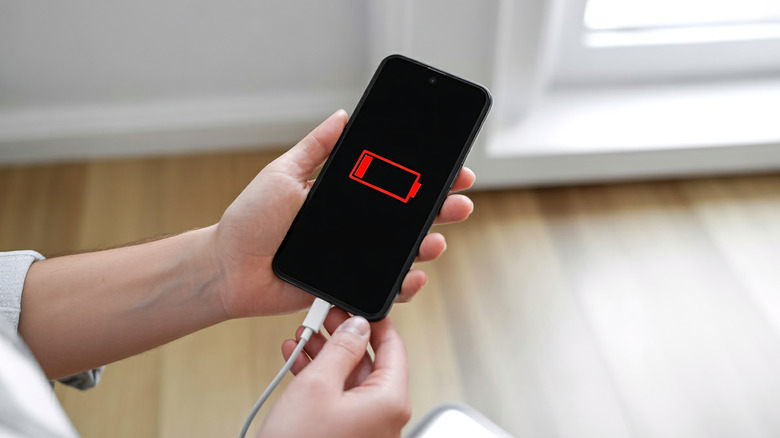
Modern devices estimate battery percentage using software models tied to energy movement, temperature, and historical usage patterns. Over time, those estimates can become inaccurate. One classic symptom of accuracy issues is when your phone’s battery drops from 20% to 5% in minutes, shuts off unexpectedly, or lingers at 100% longer than it should. In these cases, the battery isn’t necessarily failing, the device’s battery reporting system is.
Calibration realigns that system, and it’s easy: Allow your device battery to completely drain until it shuts down, then charge it back to 100% and leave it on the charger for another hour or more. That’s it.
To be sure, this process won’t “restore” lost capacity, so an older battery will still hold less of a charge and potentially slow your device over time. You also still need to make sure you’re not charging your phone wrong. What recalibrating your battery will do is help the system report accurate energy levels, which are themselves at the heart of automated power management features. In practical terms, an accurately calibrated battery gives you more predictable runtime, more accurate low-battery warnings, and fewer sudden shutdowns.
Why calibration still matters in 2026
Nwz/Shutterstock
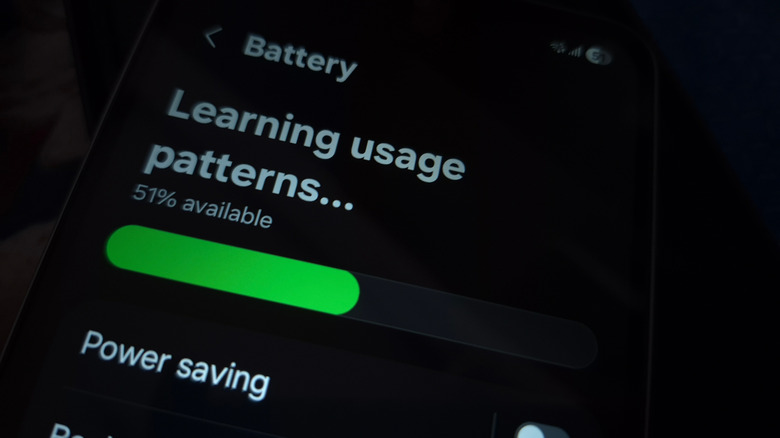
Modern smartphones have more sophisticated battery technology than older devices, whose charging and usage rules were strict and confusing. Battery management systems today are designed to continuously learn and adapt.
But modern doesn’t mean infallible. Features like adaptive charging, performance throttling, and even thermal management depend on accurate battery energy readings. If those inputs are skewed, the system may throttle performance too early or miscalculate remaining screen-on time. Calibration errors can ripple across the entire device experience.
A practical calibration routine doesn’t need to be frequent or aggressive. For most users, performing a full discharge followed by an uninterrupted charge to 100% at least once every three months is sufficient.
Calibration is purely about measuring, not extending, your battery’s charge, though. The next steps are to avoid these common mistakes that are ruining the batteries in your devices.
