


Vadym Plysiuk/Getty Images
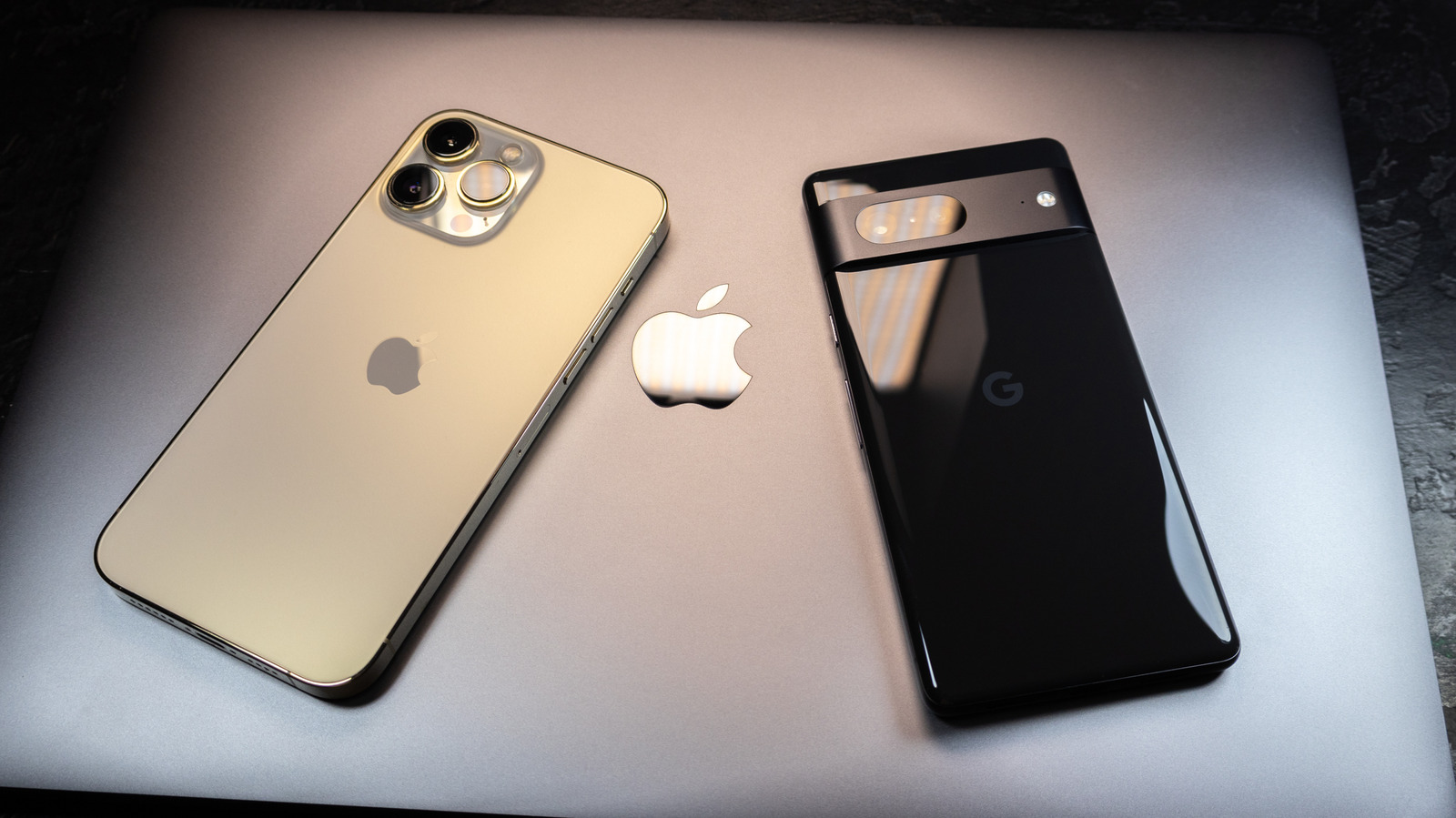
Smartphone buyers looking to upgrade to a good flagship phone with several years of software support may choose between an iPhone 17 version and a Pixel 10 model. Google offers seven years of Android updates and seven years of security updates to all Pixel phones launched since the Pixel 8 series (2023). Apple doesn’t offer a software guarantee in marketing materials, so the Pixel may seem to be the winner. However, Apple has a great record on its side. The company routinely supports iPhones for five or six years. Apple had been doing this well before competitors started promoting their seven-year software guarantees. This turns the verdict into a tie. Both the iPhone and Pixel phones should offer dependable software updates, making either flagship a strong choice for consumers who can easily switch between iOS and Android.
With that in mind, there are a few other factors that may influence a buyer. For example, consumers who want the latest AI features may favor Pixel phones, which feature deep Gemini integration. That said, a phone’s longevity depends equally on hardware and software support. Buyers who want predictable, dependable performance from their phones might want to go with iPhones, which feature Apple’s well-known A-series chips.
Pixels promise seven years of updates, but there’s a catch
Launched in August 2025, the Pixel 10 will receive Android updates through August 2032, assuming the device can last that long. Battery health will degrade after a few years of use, and the battery will require replacement. But the same durability and battery considerations apply to iPhones.
However, if you want a software guarantee, Google offers that in writing for the Pixel 10. It’s likely that Google will continue to do it with future Pixel models, including flagship phones and Pixel A mid-range models. That software guarantee means users will get relatively fast access to Android releases and security updates compared with rival Android phones. In addition, buyers who already use various Google apps and services, including Gmail, Google Maps, and Chrome, may benefit from choosing a Pixel phone over an iPhone, especially if they want to take advantage of Gemini features inside these apps.
That said, certain features may not be available on older devices despite being supported by Google. Gemini Intelligence is a prime example of that. Google recently announced support for Gemini Intelligence on its latest devices, but it did not extend that support to the Pixel 9 series.
iPhones might offer better longevity despite similar software support
Apple says in iPhone 17 documentation submitted for European Union markets that the handset will receive at least five years of software and security updates, but Apple has never offered software guarantees in marketing materials like Google does. Longtime iPhone users who upgrade to the latest iPhone should ideally expect five or six years of support, considering that the iPhone 11, which launched in 2019, will get the iOS 27 update. However, you shouldn’t expect all cutting-edge features to work on older devices.
In other words, using an iPhone 17 through September 2032 seems feasible, assuming the device remains in good physical condition, and the battery is replaced a few years after purchase. But the real advantage of the iPhone over a same-year Pixel phone may become apparent after several years of use. An iPhone 17 may offer a better day-to-day experience than a Pixel 10 of a similar age in a few years. In Geekbench 6 scores, the base iPhone 17 (A19 chip) scores 3,765 (single-core) and 9,516 (multi-core), compared with 2,312 and 6,165 for the Pixel 10 (Tensor G5 chip). The almost five-year-old iPhone 13 Pro (released in September 2021) scores similarly to the Pixel 10 model: 2,454 and 6,022.
However, despite such generous software support windows, buyers may not want to keep either handset for that long. Instead of waiting for the Pixel 10 or iPhone 17 to reach the end of life, they may want to upgrade the handset after three or four years of use. Such a strategy may ensure the best possible smartphone experience, without worrying too much about replacing faulty parts, such as broken displays and degraded batteries.
