


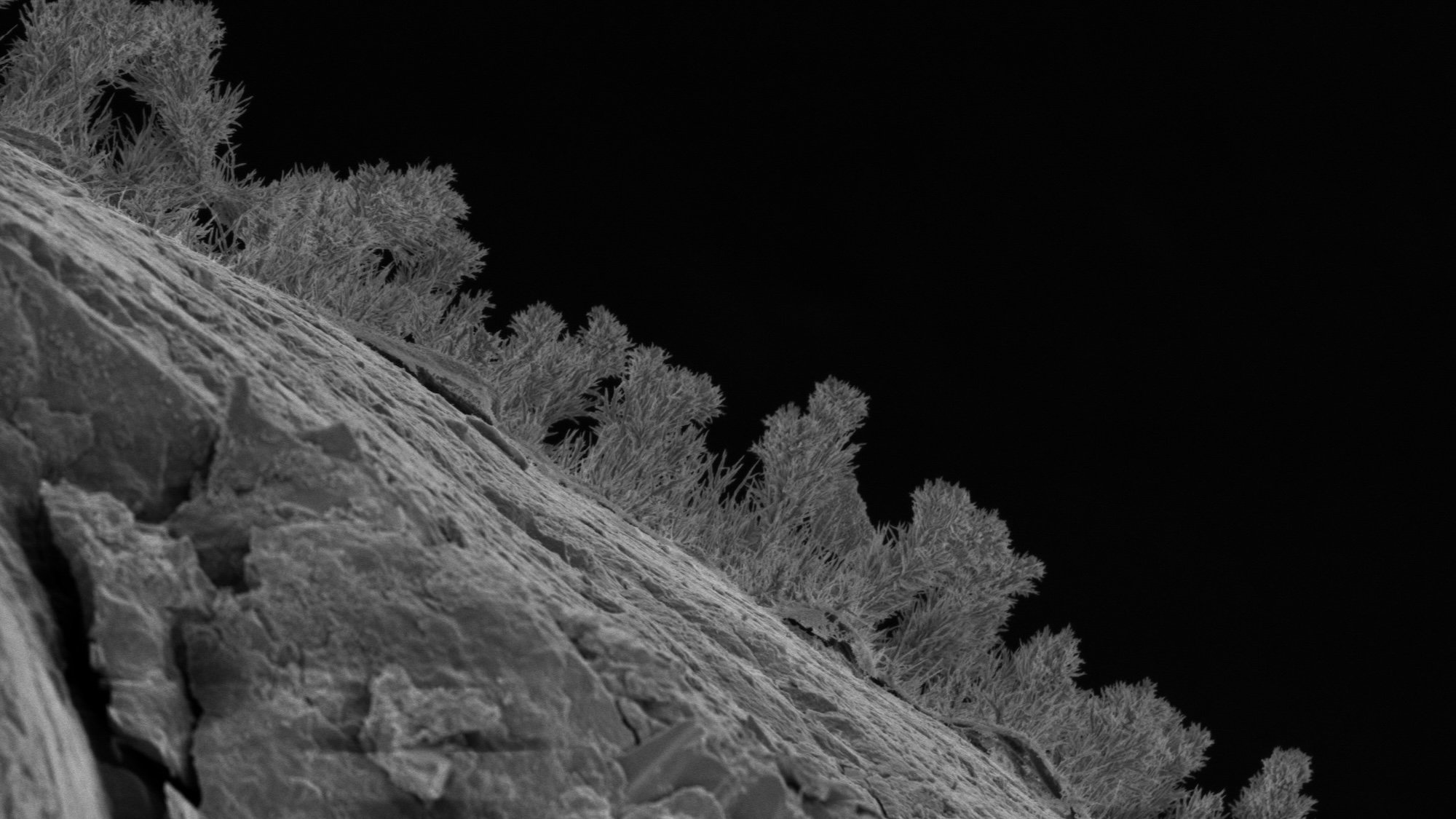
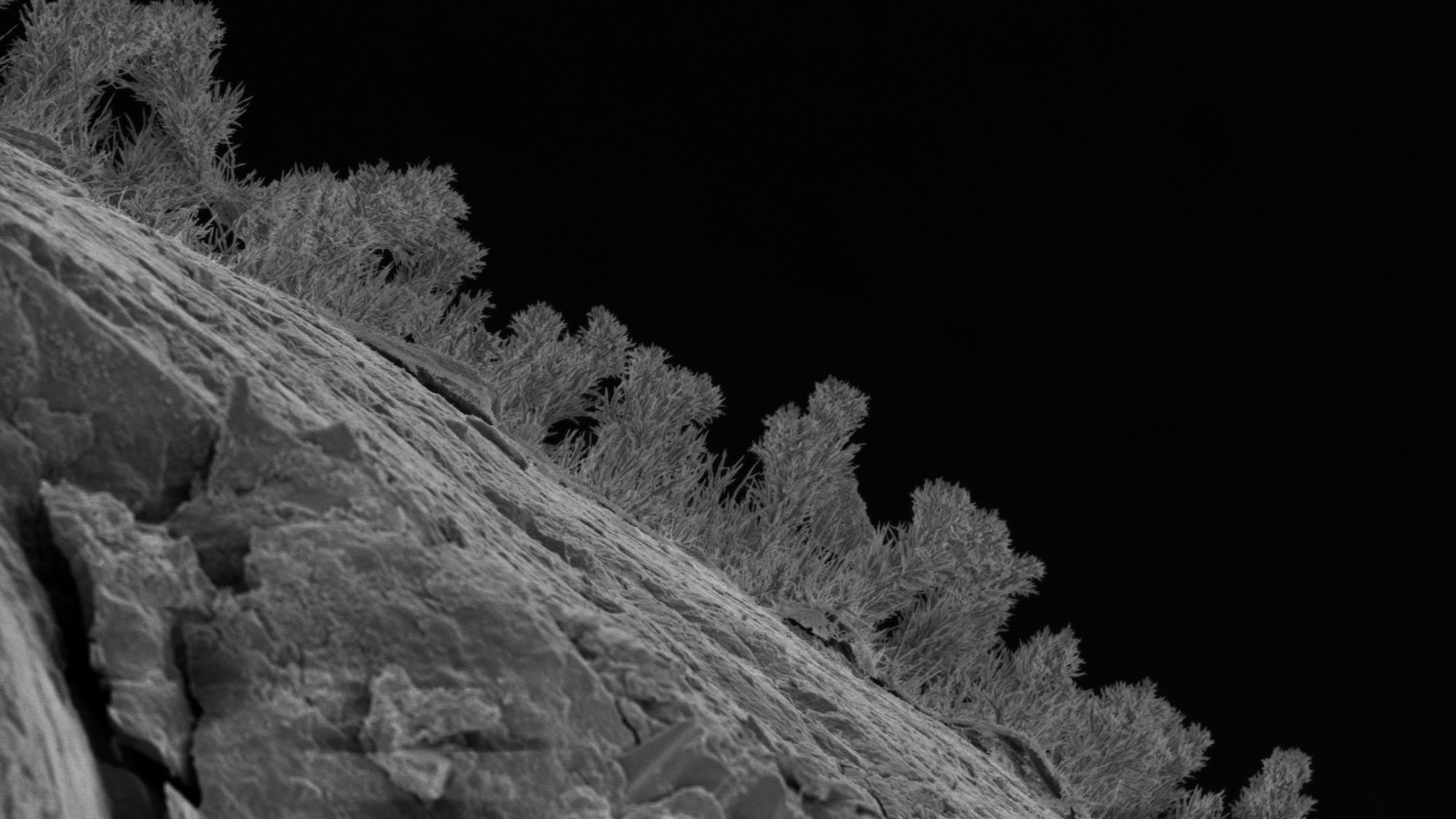
A research team led by University of Michigan isolated and grew more than 200 kinds of fungi from the deep subsurface. The collection is now the first public collection of deep subsurface fungi, and is stored at the U-M Herbarium.
Credit: Quinn Moon / University of Michigan
Get the Popular Science daily newsletter💡
Breakthroughs, discoveries, and DIY tips sent six days a week.
By signing up, you confirm you are 16+, will receive newsletters and promotional content and agree to our Terms of Use and acknowledge the data practices in our Privacy Policy. You may unsubscribe at any time.
There’s more than a bunch of rocks to be found when digging deep underground, but even researchers were surprised after a recent survey beneath the Great Lakes. According to their findings detailed in a study published today in The ISME Journal, everything from tiny worms, to hardy tardigrades, to even rock-eating fungi build a vast, complex ecosystem below the Earth’s surface.
“The discovery opens a window into a world that is dark, ancient and almost entirely hidden—but is far from lifeless,” explained study co-author Quinn Moon, an environmental scientist at the University of Michigan (UM).
Moon and his colleagues recently extracted water drawn from gas wells drilled 650 to 1,650 feet deep into the Antrim Shale, a rock formation that spans the entire Great Lakes. Isotopic dating indicates the water likely originated from the Ice Age, meaning that the liquid hadn’t seen the surface world in over 11,000 years. As the frozen sheets thawed, meltwater carried bacteria and fungi into the Earth through porous rock layers.
Although researchers have previously identified environmental DNA traces inside the planet, they frequently assumed the eukaryotes living inside were either dormant or transient. Carbon dioxide and methane levels in the samples prove these organisms then began feeding on the shale itself.
“For a long time, there wasn’t evidence that eukaryotes can be abundant in the deep subsurface,” said Moon.
His team’s findings directly challenge those presumptions. The team catalogued 689 unique fungi species, including 13 newly described species. They aren’t sparsely populated ecosystems, either. A single water drop sometimes contained as many fungal cells as a similar drop from the ocean. That calculates to around 250 fungal cells in one water droplet, or over 12 trillion in an Olympic-sized pool.
Moon’s group also documented miniscule worms and resilient tardigrades, also known as “water bears.”These hardy invertebrates are famous for their ability to survive in the harshest environments,even in the vacuum of space. Taken altogether, these organisms form a complex food chain that likely also incorporates parasitic relationships.
With many more similar deep subsurface ecosystems existing around the world, the study findings complicates our understanding of carbon sequestration. Many researchers theorize that carbon can remain trapped underground for extended periods of time. But if fungi, bacteria, and even tardigrades convert some of the carbon into gas, then the spaces may be much more biologically active.
According to study co-author and UM evolutionary biologist Tim James, these discoveries should be incorporated into carbon cycling and sequestration models.
“Regardless of whether these fungi originated in or were introduced to these deep spaces, many fungi possess adaptations that allow them to grow and influence the carbon dynamics deep in the earth,” he said.
“Our study challenges the idea that it’s inhospitable for more complex life like fungi in the deep subsurface,” added Moon. “Under favorable conditions, eukaryotes can actually be quite abundant.”

2026 Popular Science Home of the Future Awards
39 products that will improve your everyday life.
