



This coverage is made possible through a partnership between Grist and Interlochen Public Radio in northern Michigan.
Federal money meant to help restore forests after disasters has stopped flowing because of a lack of funding.
According to the Michigan office of the federal Farm Service Agency, the Emergency Forest Restoration Program, or EFRP, has received more requests for aid around the country than it can pay out. A spokesperson for the U.S. Department of Agriculture — where the farm agency is housed — confirmed the news.
“Currently, requests for financial assistance through the Emergency Forest Restoration Program exceed the funding currently available,” the USDA spokesperson said.
Created by Congress in 2008 as part of the national Farm Bill, EFRP provides disaster relief to landowners restoring nonindustrial forests. Almost two years ago, Congress appropriated $357 million for the program “to remain available until expended.” The USDA earmarked much of that money for landowners dealing with lingering damage from the monster 2024 Atlantic hurricane season. In Michigan, property owners whose forests were compromised by a 2025 ice storm were invited to apply. But the rollout of the federal program in the Mitten State has been mired in delays, confusion about eligibility, and what’s been described by landowners and foresters as little communication from federal officials.
As climate change threatens to bring more extreme weather that damages forests, some foresters stressed the importance of aid programs like EFRP.
“Our weather conditions are becoming more harsh in many circumstances, so we need to be able to have these pots of funding available,” said Logan Hawley, a landowner and forester in Hubbard Lake, Michigan, who applied for EFRP.
Laurent Fady / Getty Images
Administered by the Farm Service Agency, or FSA, the program reimburses private landowners up to 75 percent of the cost of restoring their woods after a disaster. Work can include clearing damaged trees to prevent fire risk, replanting, or managing invasive species.
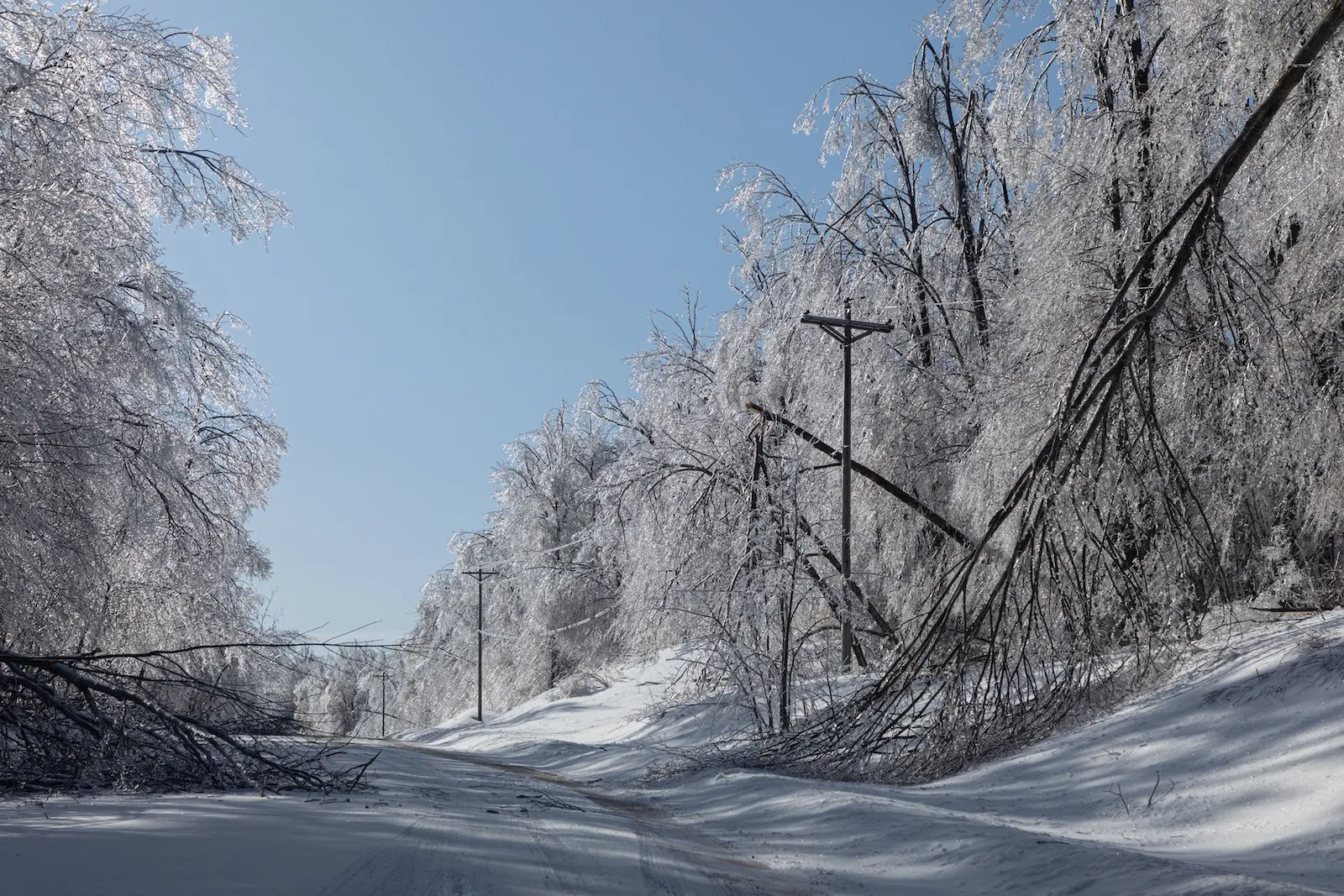
In Michigan, landowners like Hawley are waiting for federal funds to restore forests that were damaged in a severe ice storm in March 2025. The ice storm damaged approximately 3 million acres of forest in northern Michigan, as the weight of ice downed trees and snapped branches across 12 counties in just two days. To recover just a third of those acres — the 1 million acres managed by the Michigan Department of Natural Resources — the state estimates it needs about $14 million. The EFRP program represents some of the only federal funds available for private landowners after the storm.
Some landowners and foresters said they’re frustrated with the lack of movement on work they say is important for the future of northern Michigan’s forests and the economies that depend on them. The state’s forest industry — from wood products to tourism and recreation — contributes billions to the state’s economy annually.
“We’ve spent so much time filling out the paperwork, going and doing in-person meetings, having them on site doing visits, for what feels like nothing,” said Neil Haney, executive director at Boyne Falls’ Lake Louise Christian Community, a campground where about 1,700 acres of woods suffered damage from the ice storm.
Michigan’s FSA office and the USDA did not respond to specific questions about how many applications had been approved or where in the country EFRP aid had been provided. Since Congress last funded the EFRP in 2024, the agency has solicited applications from landowners affected by hurricanes in Eastern states, a southern pine beetle infestation in Georgia, flooding in Hawai‘i, and a windstorm in Minnesota. Gary Michael, the Minnesota Department of Natural Resources cooperative forest management supervisor, confirmed in an email that EFRP applications in his state are also not being approved. FSA first invited Michigan landowners to apply in May 2025.
In a statement, Michigan’s FSA office said landowners “may begin restoration work at their discretion; however, any work initiated prior to [federal] approval is undertaken at personal expense.”
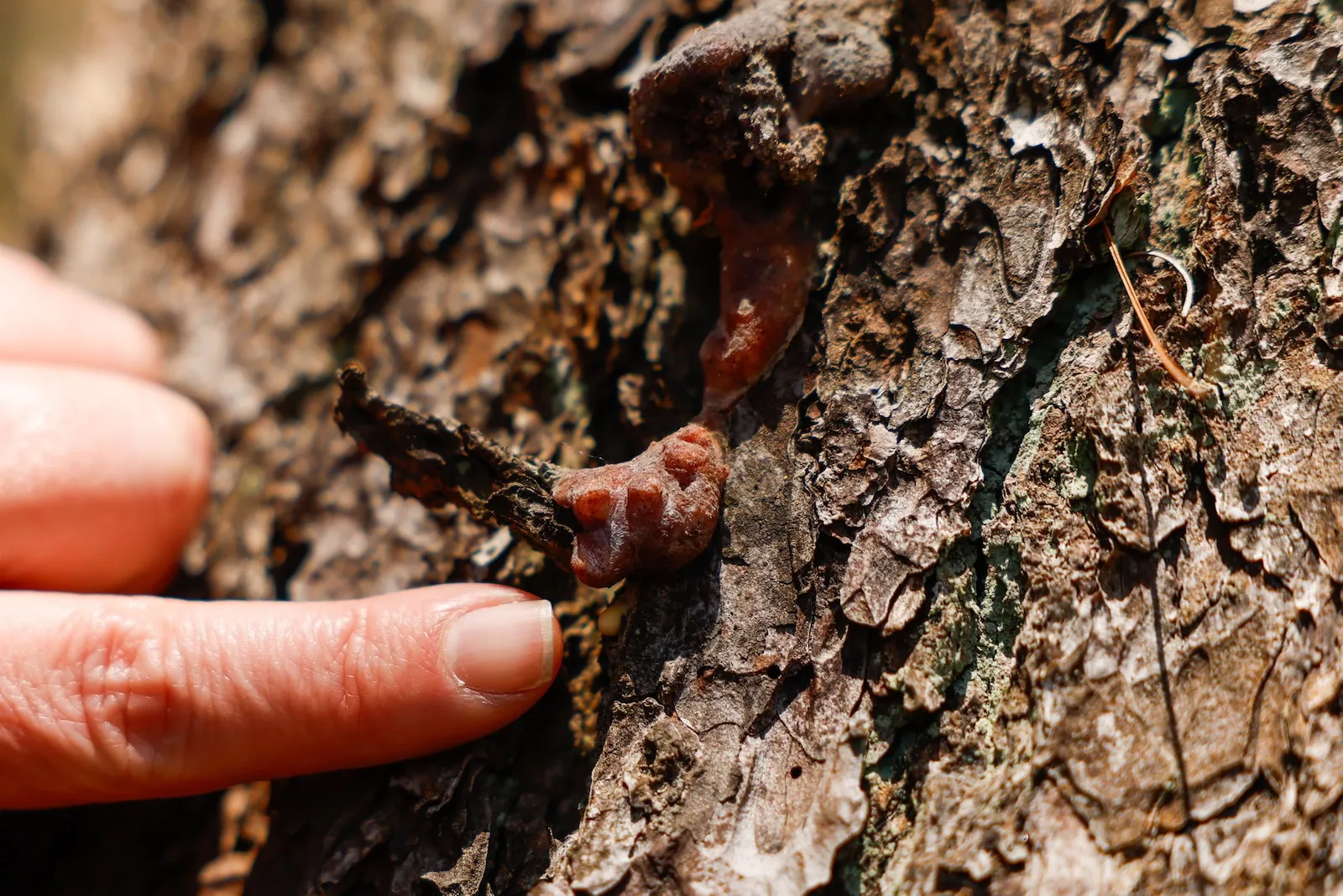 almost 60 billion metric tons of carbon and offset about 13 percent of the country’s overall emissions. Damaged forests can’t store as much carbon as healthy ones.
Congress has acknowledged issues with disaster relief programs like EFRP because the timing of appropriations bills don’t coincide with when disaster strikes. This summer, Congress passed a bill to address some of those concerns by allowing advance payments to landowners. It was unclear how the new law would affect aid in Michigan and other states.
Representative Jack Bergman, a Republican who represents all of northern Michigan, said in a statement that landowners “shouldn’t have to fight Washington just to get help recovering.” He called on Congress and his colleagues on the House Appropriations Committee to replenish funding for EFRP.
“If Washington calls this emergency relief, it needs to act like it’s an emergency,” Bergman said.
Despite frustrations, Haney said his camp’s woods will ultimately be fine without the funding. “Nature will be nature, and it’ll come back. It’ll just take longer,” he said.
But Haney hopes this rollout of EFRP in northern Michigan will be a lesson for the federal government. “The federal government knows how to handle hurricanes, tornadoes,” he said. “It felt like they didn’t know what to do with an ice storm.”
Larissa Donovan of KAXE in Grand Rapids, Minnesota, contributed reporting to this story.
