


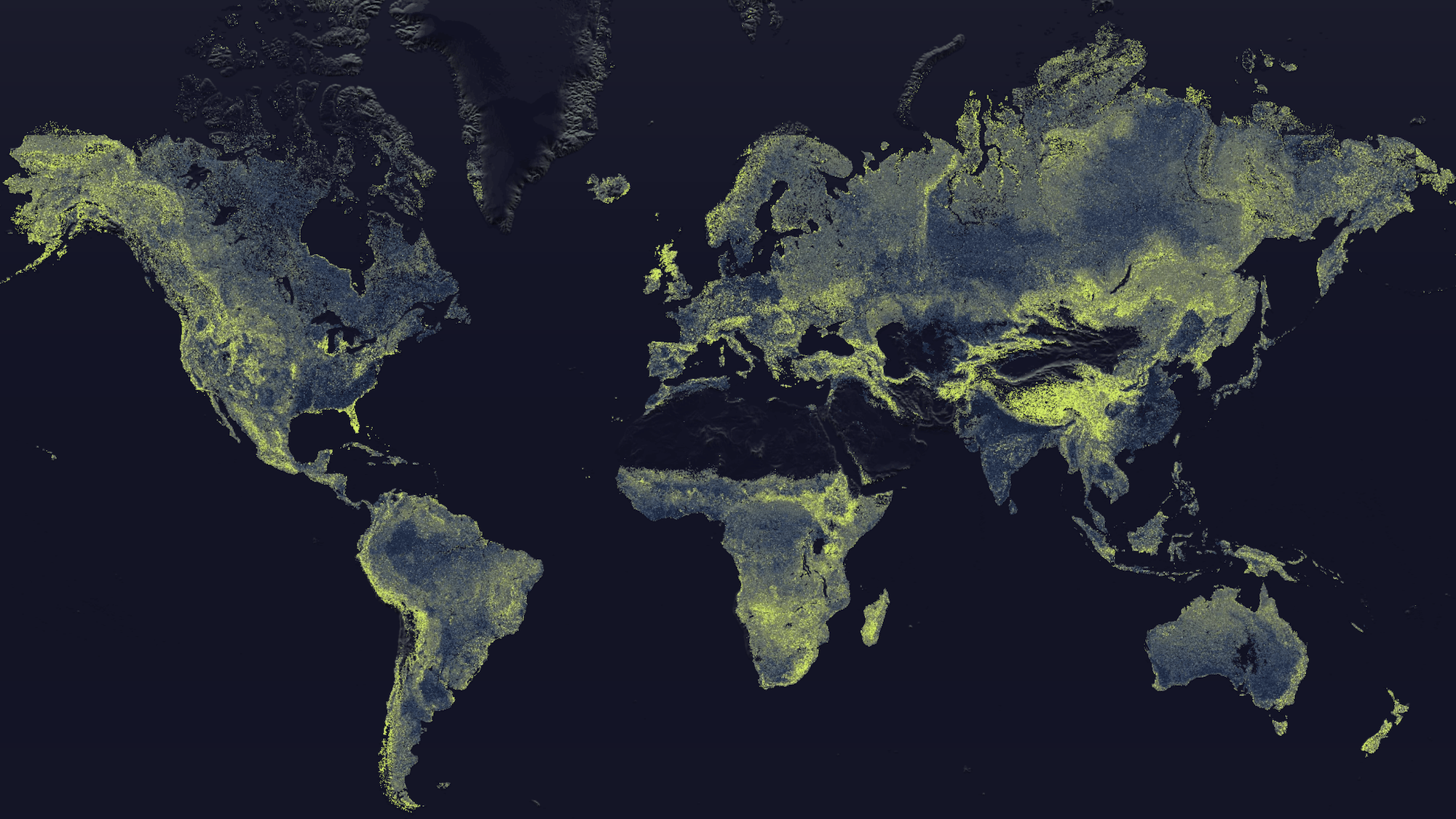
The length of fungi networks is almost a billion times the distance between Earth and the sun.
Credit: SPUN
Get the Popular Science daily newsletter💡
Breakthroughs, discoveries, and DIY tips sent six days a week.
By signing up, you confirm you are 16+, will receive newsletters and promotional content and agree to our Terms of Use and acknowledge the data practices in our Privacy Policy. You may unsubscribe at any time.
The world of arbuscular mycorrhizal fungi (AM fungi) runs deep. They live symbiotically with around 70 percent of Earth’s plant species. Using vast underground networks, the fungi offer vegetation nutrients and water in exchange for their carbon. The fungi then siphon the carbon into the soil, supporting pretty much all life on the planet. In particularly healthy conditions, AM fungi webs can boost plant roots’ foraging area by 100 times while providing over 80 percent of its needed phosphorus.
But just how much fungi is actually doing all of this heavy lifting? New analysis published today by the Society for the Protection of Underground Networks (SPUN) reveals there are over 621 trillion miles of fungal pathways containing around 300 megatons of carbon within Earth’s topsoils. That’s nearly a billion times the Earth’s distance from the sun carrying four to six times the mass of all humans. For the first time, these pathways are visualized in a new global mapping project called A Hidden Infrastructure.
“It is hard to overstate the importance and enormity of these fungi. There could be up to 10 meters (32 feet) of mycorrhizal network in just a teaspoon of soil,” said Justin Stewart, a SPUN mycologist and the co-author of an accompanying study published today in the journal Science.
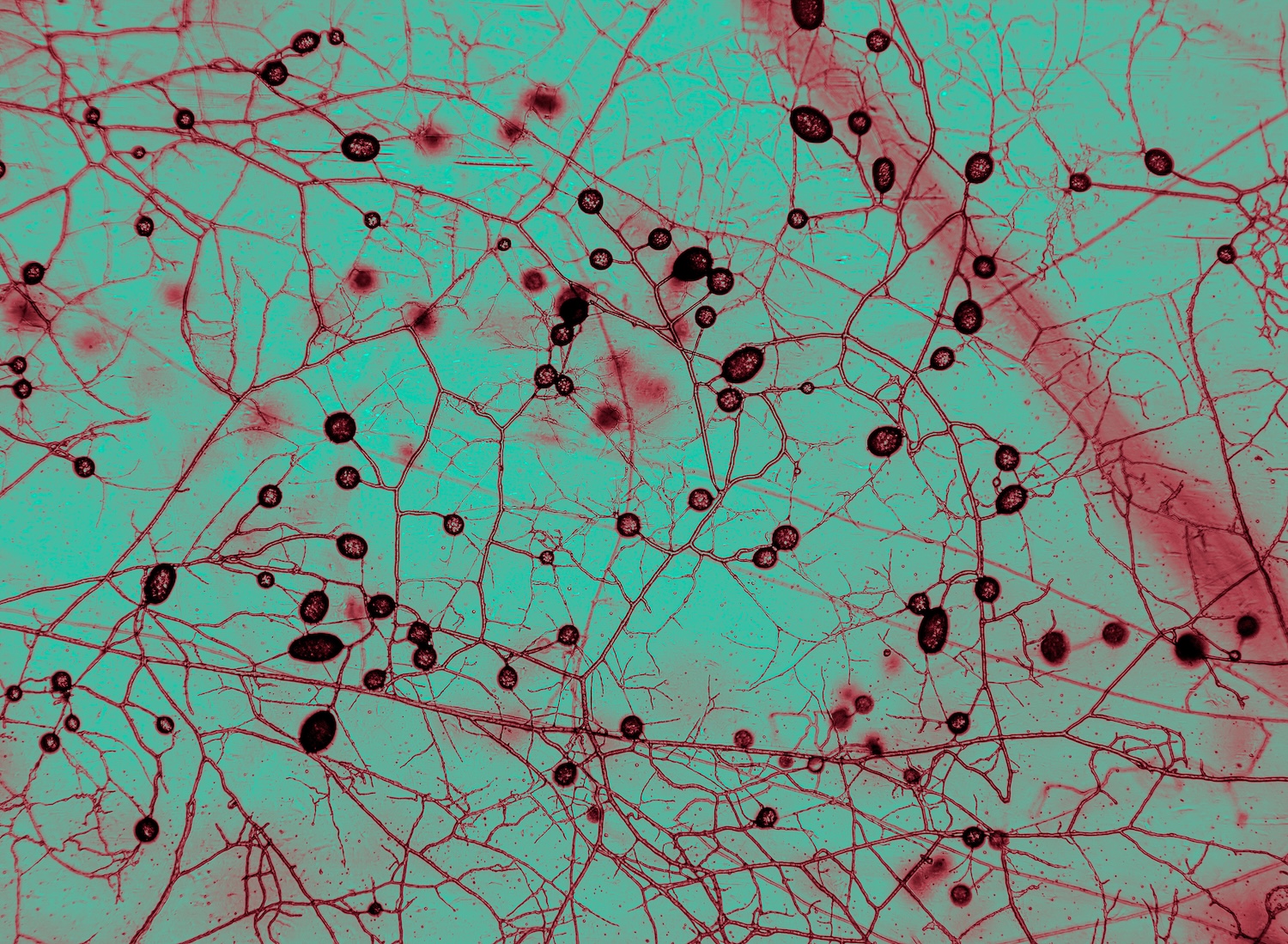
The carbon-nutrient supply chains in these formations are fast, too. Previous research shows speeds reaching 120 micrometers a second. That’s around 248 miles per hour when scaled to human proportions. Every year, these fungi move around four billion tons of carbon dioxide into the soil—about 11 percent the amount of human-produced emissions.
As incredible as these figures are, they make sense to mycologist and Popular Science contributor Matt Kasson.
“Nothing really surprises me when it comes to fungi. They are some of the most underappreciated yet important organisms on this planet,” he says. “The numbers are staggering, nevertheless. 110 quadrillion kilometers of fungal hyphae in the top 15 centimeters of Earth’s soils is absolutely mind-blowing.”
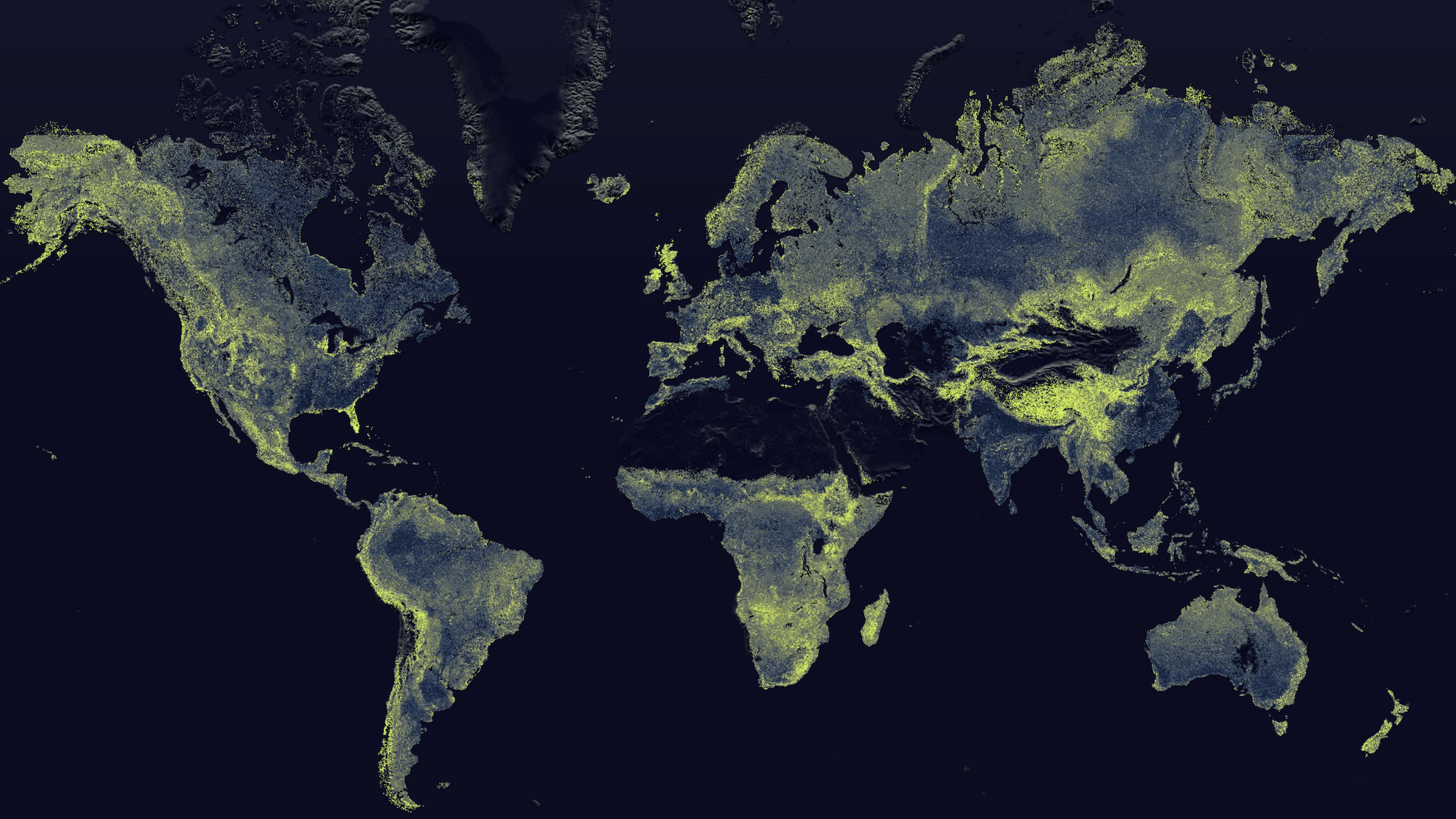
Where is all of this fungi? According to the team’s modeling, grasslands contain about 40 percent of Earth’s AM infrastructures, with particularly high concentrations predicted in the Florida Everglades, the Tibetan plateau in Asia, and South Sudan in Africa. The project team stressed that this poses a problem, however. Grasslands remain some of the planet’s least protected areas, and are being turned into farmland at a rate four times that of forests. Once turned into farmlands, these underground networks are frequently reduced by half. The mapping estimates underscore previous research indicating 95 percent of AM fungi hotspots exist outside properly safeguarded regions.
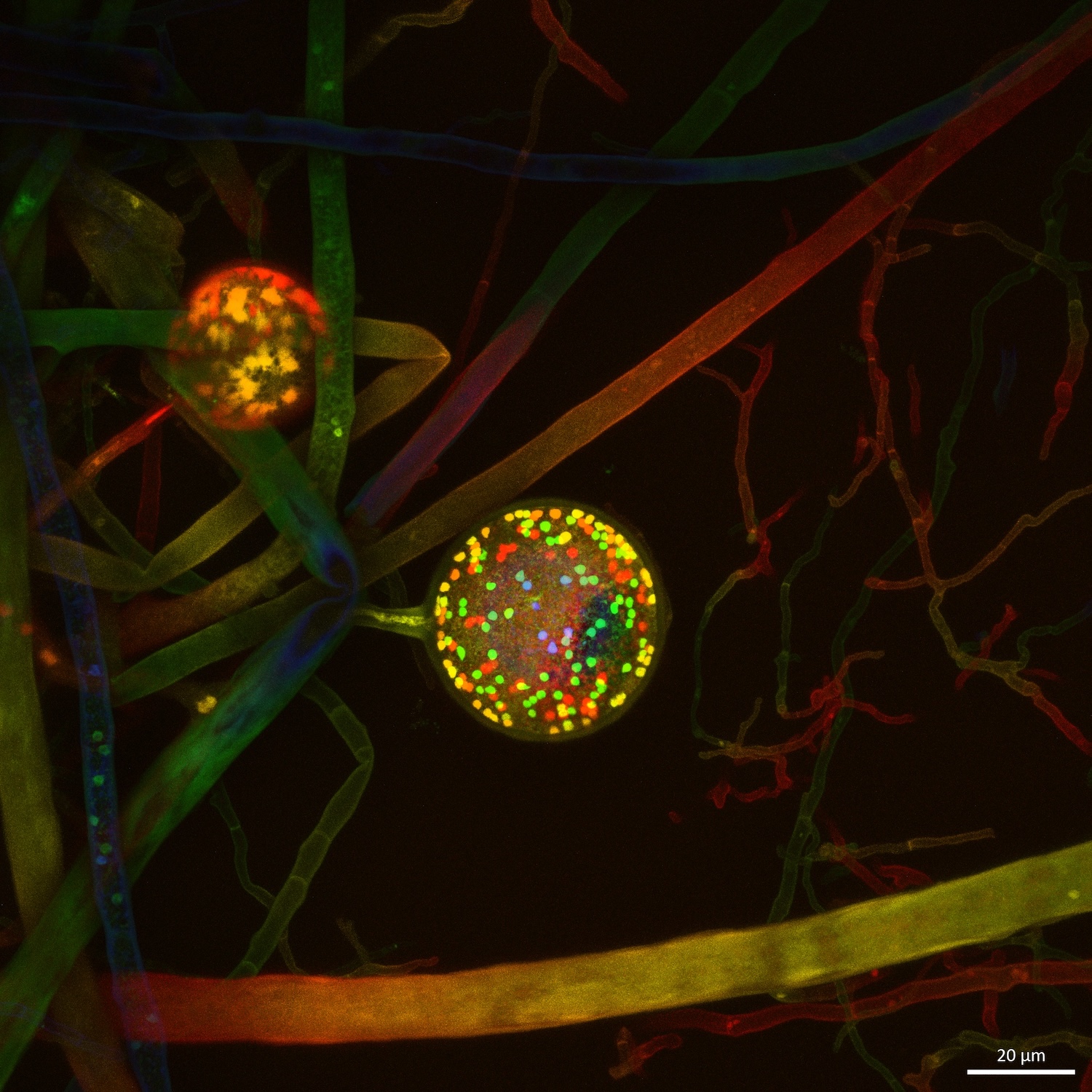
“Mycorrhizal fungi have shaped life on earth for hundreds of millions of years, but we still understand too little about how the infrastructure of these living transport systems is distributed across the planet,” said biologist and study co-author Merlin Sheldrake, adding that the recent modeling breakthroughs can help address these challenges.
But while a major step forward, Kasson believes there is much work still to be done on the road to understanding these ecosystems.
“Studies like this one certainly move the needle, but less than 10 percent of known fungi have been formally described,” he says. “Without that information, it’s hard to convince the public that not only are fungi critical for maintaining resilient plant communities, but that fungal conservation is in their best interest.”

2025 PopSci Best of What’s New
The 50 most important innovations of the year
