



The BMC said that the QR-coded collars will make it easier to identify vaccinated and sterilised dogs while improving digital recording and tracking.
By CNBCTV18.com August 22, 2026, 12:44:50 AM IST (Published)
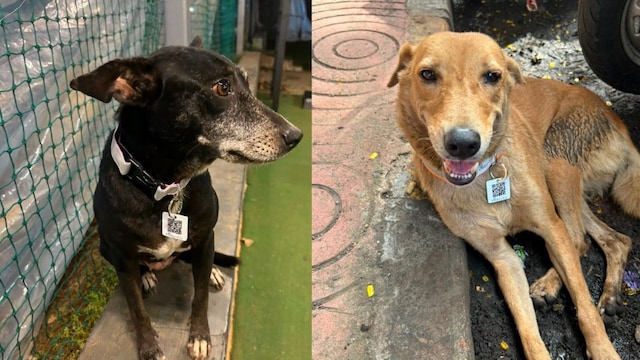
Mumbai is turning to technology to improve the way stray dogs are identified and monitored. The Brihanmumbai Municipal Corporation (BMC) has introduced QR-coded reflective collars for vaccinated and sterilised stray dogs.
The QR-coded collars will give each vaccinated and sterilised dog a digital identifier, allowing authorised individuals to access its recorded vaccination, sterilisation and health-intervention.
Sharing details of the initiative on X, the BMC said the QR-enabled reflective collars would make it easier to identify stray dogs that have been vaccinated against rabies and sterilised, while improving their digital recording and tracking.
????माननीय सर्वोच्च न्यायालयाच्या निर्देशांनुसार, महानगरपालिका आयुक्त श्रीमती अश्विनी भिडे यांच्या मार्गदर्शनात, अतिरिक्त महानगरपालिका आयुक्त (शहर) श्रीमती प्राजक्ता वर्मा-लवंगारे यांच्या नेतृत्वात बृहन्मुंबई महानगरपालिकेने भटक्या श्वानांसाठी क्यूआर कोडयुक्त परावर्तित (Reflective)… pic.twitter.com/xUCpbdl20r
— माझी Mumbai, आपली BMC (@mybmc) August 20, 2026
QR collars to replace temporary markings
The BMC has traditionally used coloured ink and other temporary markings to identify dogs that have received anti-rabies vaccinations. Since these markings can fade over time, civic teams may find it difficult to determine whether a dog has already been vaccinated or sterilised.
The new reflective collars are intended to provide a more durable and long-lasting identification system. Information linked to each QR tag can be accessed by authorised users according to applicable data-access protocols.
Digital records to track dog health
The system will allow civic authorities and authorised organisations to keep track of individual dogs and their previous interventions. This could help identify gaps in vaccination and sterilisation coverage while reducing the chances of the same procedures being unnecessarily repeated.
Part of Mumbai’s rabies-free goal
The initiative follows an agreement signed between the BMC and the Ridlan AI Foundation at the civic headquarters on August 20. The project forms part of the civic body’s wider stray-dog management programme, which includes Animal Birth Control (ABC), anti-rabies vaccination and other preventive measures.
The BMC is aiming to make Mumbai rabies-free by 2030, with digital monitoring being positioned as another tool to strengthen the programme.
The civic body said the digital database could become a useful tool in the long-term efforts to eliminate rabies in Mumbai. By maintaining updated records of vaccinated and sterilised dogs, authorities could better identify areas that need additional intervention and plan follow-up measures more effectively.
According to the BMC’s veterinary health department, Mumbai has vaccinated more than 50,000 dogs and neutered over 4 lakh dogs as part of its push towards a rabies-free city by 2030.
(Edited by : Sudarsanan Mani)
