


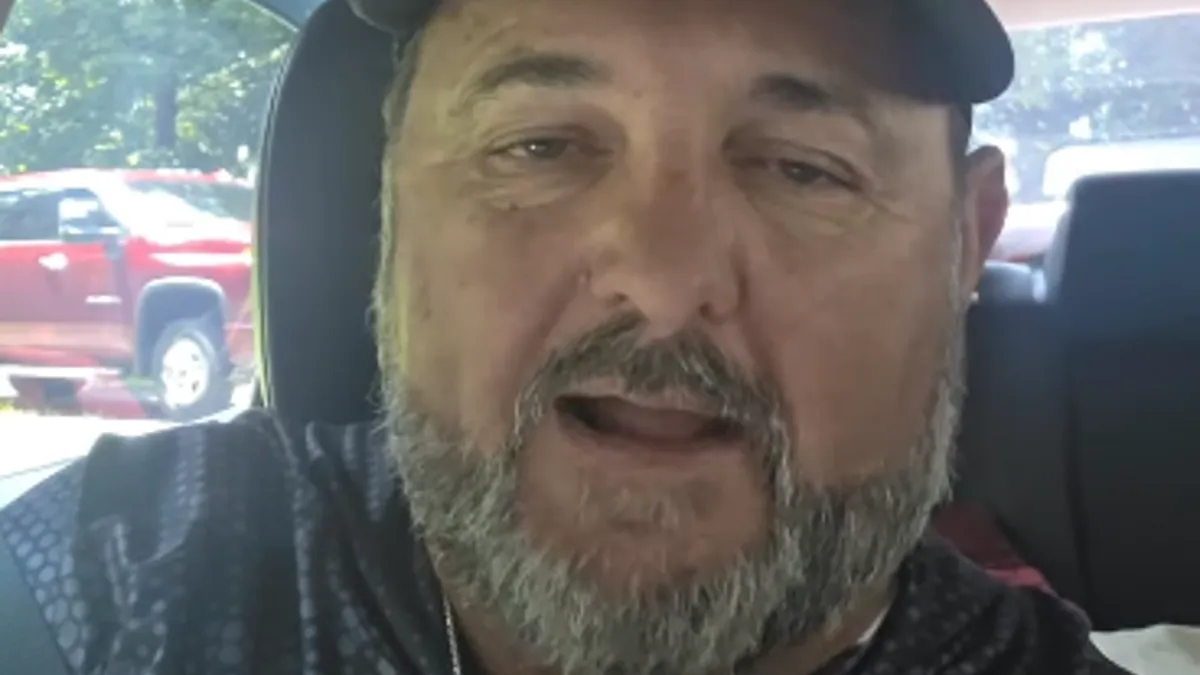

Photo Credit: Tony Justice (@thetonyjustice / Instagram)
Suno just can’t shake indie musician Tony Justice. The country music singer and truck driver sued the company with allegations of copyright theft and using protected songs (like his own) to train AI without permission.
Updated, August 27th: Justice’s attorneys at Delgado Entertainment Law and Hagens Berman have now responded to the US District Court’s decision (see below); Suno’s attorneys at Latham & Watkins LLP have not yet responded.
For months, Suno has been trying to dismiss indie country musician and truck driver Tony Justice’s lawsuit against the AI company. That filing alleges copyright theft in the form of AI-generated songs trained on protected songs from artists like himself, as well as violation of the DMCA.
On most counts raised by Justice and his 5th Wheel Records Inc., the U.S. District Court for the District of Massachusetts refused to dismiss. In fact, Judge F. Dennis Saylor IV dismissed only one count: a claim under the Tennessee Consumer Protection Act.
Back in November, Suno renewed its efforts to dismiss most of the claims raised by a group of artists, including Tony Justice. The AI music giant argued that the court should focus on whether training AI models on copyrighted music qualifies as fair use. To do so, the AI company claimed in its reply memorandum in defense of its earlier motion to dismiss that certain allegations should be removed from proceedings.
However, the court determined that the majority of the claims against Suno were substantial enough to proceed.
“We have tech and corporate America coming in and trampling on the little guy,” said Tony Justice. “Anytime I’m in a position to use my voice to fight for the little guy, I feel like I need to do that.”
“This is how we live. This is how we support our families,” Justice said of musicians like himself, who have watched their income from streaming platforms dwindle with the rise of AI-generated music. “We’ve gotta fight for it. There’s too many times you hear [people complaining], but when it comes time to do something about it, everybody goes quiet. […] People need to put in an effort doing something about it and standing up.”
Justice, a full-time truck driver and musician, also represents truckers in the fight for AI fairness, though not in a legal sense. Like the entertainment industries, the professional driving industry also feels the threat of AI encroaching on people’s jobs. The real driving hours of professional drivers have been used to train the AI models that power modern autonomous vehicles.
Update (con’t): In response to this decision, the legal team of Delgado Entertainment Law and Hagens Berman has offered this response to Digital Music News:
“Suno asked the Court to dismiss two of our core claims in this extremely consequential case against a very well-funded technology company. The Court declined to do so. We are extremely happy with the ruling. We believe that the Court’s decision to allow these claims to move forward is a very encouraging sign for the independent artists that we represent.”
