


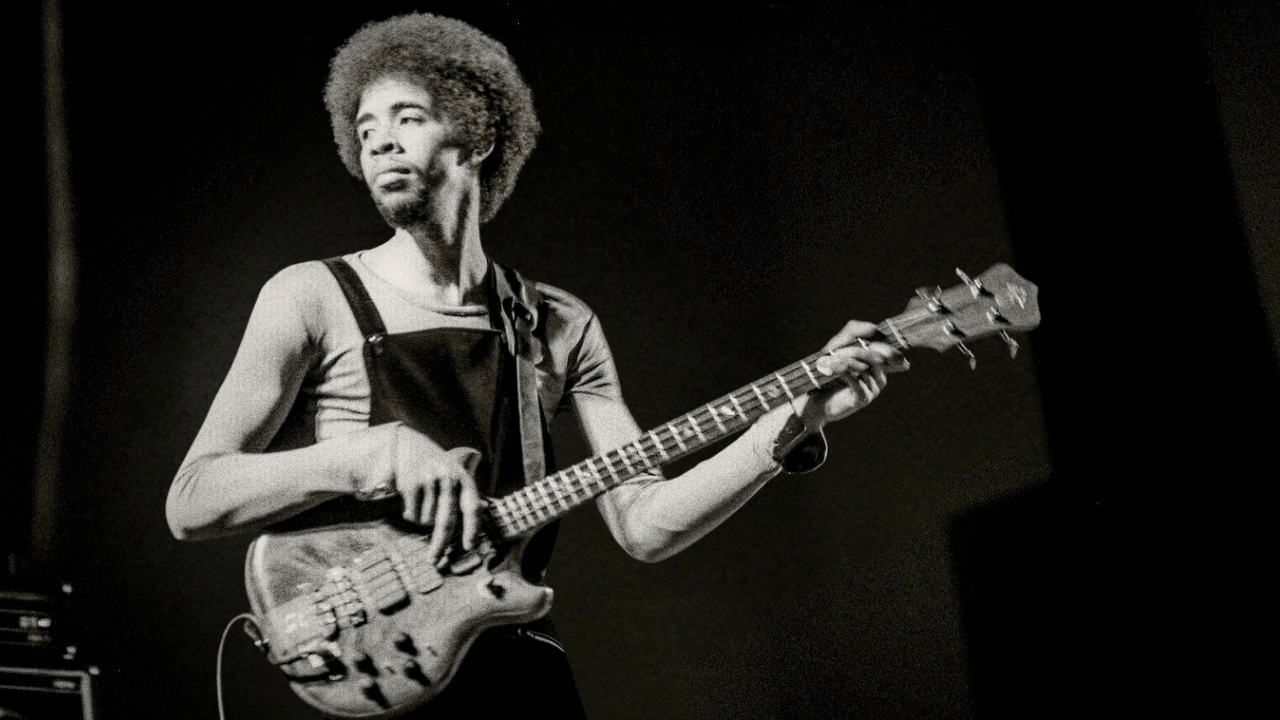
Having already demonstrated his lightning-fast double-bass chops on Return to Forever’s first two, predominantly acoustic, albums, Stanley Clarke was poised to redefine the possibilities of the electric bass.
The advent of custom-built Alembic instruments would also create a distinctive tone and look – his Jimi Hendrix afro-style hair offsetting the unusual Alembic headstock in photos of the period.
“It’s the instrument I received the most notoriety on,” said Clarke in the March 2015 issue of Bass Player. “Yet l’ve always been an acoustic bassist at heart; it’s what I studied, and when I got to New York in 1971, that’s what I was.
“But after Return To Forever’s Light as a Feather record, Chick Corea wanted to do electric music. He wrote a tune called Hymn of the Seventh Galaxy and l wrote After the Cosmic Rain, and he said, ‘Let’s do a whole record of this stuff!’
“I said, ‘Do you think I can play upright?’ And he said, ‘I don’t know, man, it’s gonna be loud.’ So I put the acoustic on the back burner and got an electric.”
Return To Forever – Hymn Of The Seventh Galaxy (2008) – YouTube
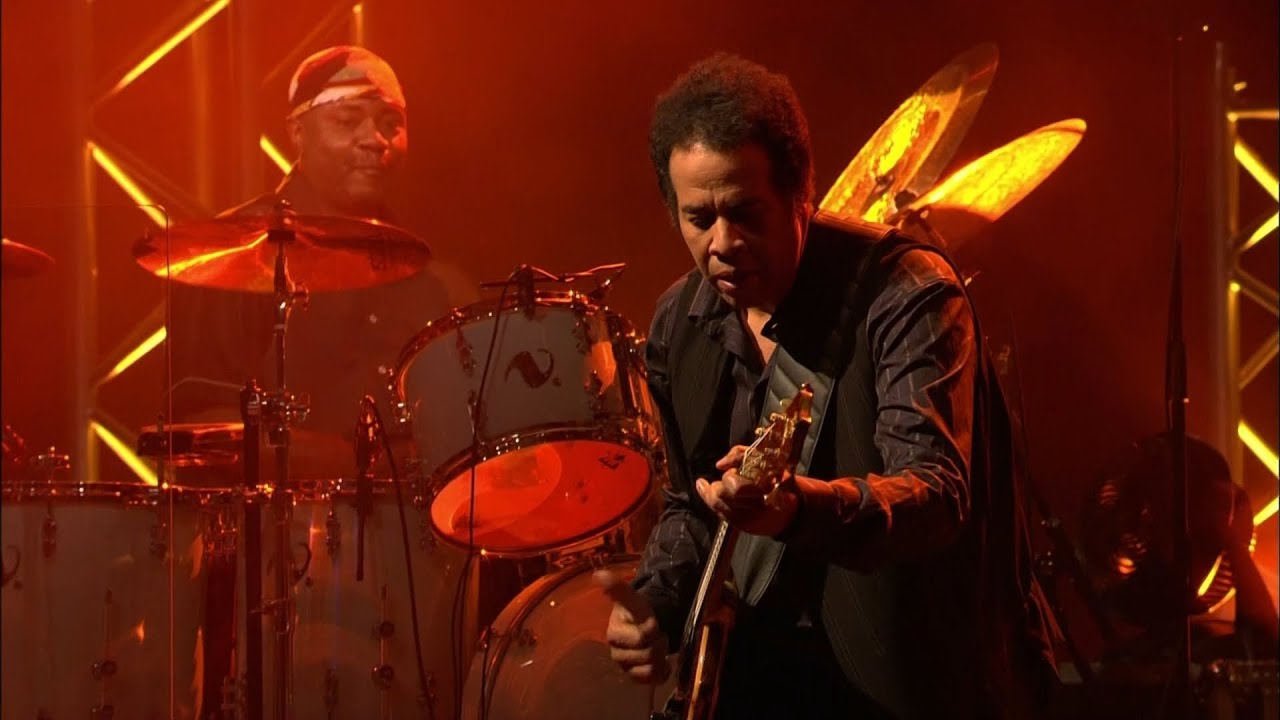
Clarke’s move from acoustic to electric bass opened up a new sense of freedom, allowing him to move beyond the conventions of the instrument at the time.
“First of all, it was easier to play, it looked good on me, and people responded to it. I also enjoyed the freedom because it was new to me. I didn’t have the typical style at the time, which was Jamerson, Jerry Jermott, and Chuck Rainey seriously laying it down on Fender basses.
“I love that approach, but I looked at it more as an electric bass guitar and I wanted to play the full range, bottom to top. Plus, I had music in my head from listening to Coltrane and Hendrix.
“And just as important, I had an advocate. Nat Weiss, who was a lawyer for the Beatles and had a record label called Nemperor. He saw me playing in a club one night and he said to me, ‘Here’s $25,000 – I want you to make an album.’
Life Suite – Pt. 2: 4:16 – YouTube
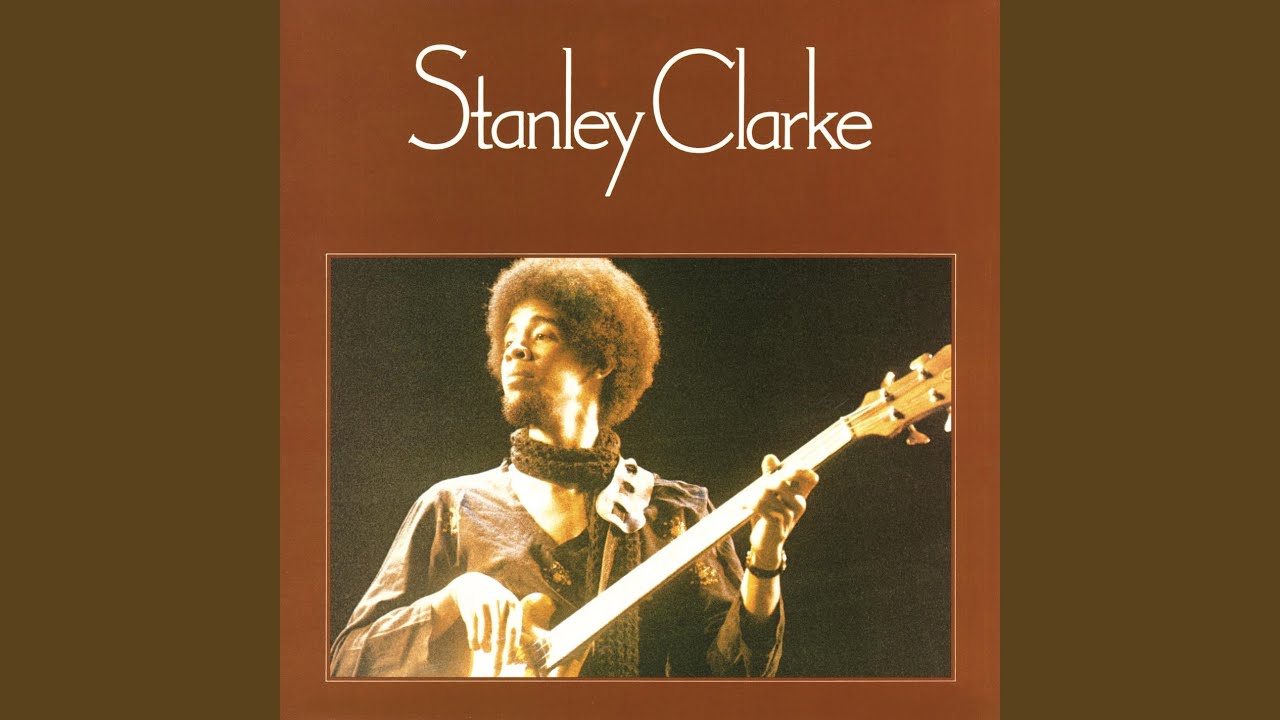
“I was so fortunate that he believed I had something to offer, and he really unleashed me as a bass player and solo artist.”
The self-titled album that followed is another of Clarke’s inspirational early works that includes the expansive Life Suite, showing that a mere bass player can have a lot to say even with string accompaniment or in a big band situation.
“When I came along, I was rebellious in a way. I brought a jazz psychology and attitude to the electric bass. I never really prepared anything on it, like the guys who came after me – say Jaco through Victor Wooten.
“Those cats had a clear idea of what they wanted to present. The pieces on their records seemed much more prepared and worked out, but I was a jazzer; whatever came out that day, that was it.
“My jazz sense applied to slap bass, too. Larry Graham innovated the style using mostly open-string keys, but I needed to develop a way to slap in other keys, without using open strings, and to move through changes.
“When I look back now, I don’t see what I did as overly special; it was just different. I was one of the guys who pushed the instrument along, and later players pushed it in their ways, and so it continues on.”
