


Few diets have earned the gold star for health quite like the Mediterranean diet, an eating style that emphasizes plant foods like veggies and whole grains, as well as fish and olive oil, and dials back red meat and added sugars. This approach has been shown to ward off various age-related diseases of the heart and brain, and even extend your lifespan. But what if it could get even healthier?
That’s the premise behind the green-Mediterranean diet, which a team of researchers first devised a few years ago by zeroing in on the parts of the Med diet they suspected were most impactful. A handful of nutrition studies pointed them toward the major role of polyphenols, a type of antioxidant in plant foods with potent anti-inflammatory powers. “So we looked to explore whether further reducing red and processed meats and enriching the diet with plant polyphenols could potentially amplify its benefits,” Iris Shai, PhD, an adjunct professor of nutrition at Harvard T.H. Chan School of Public Health and one of the researchers in the team who developed the green-Med diet, tells SELF.
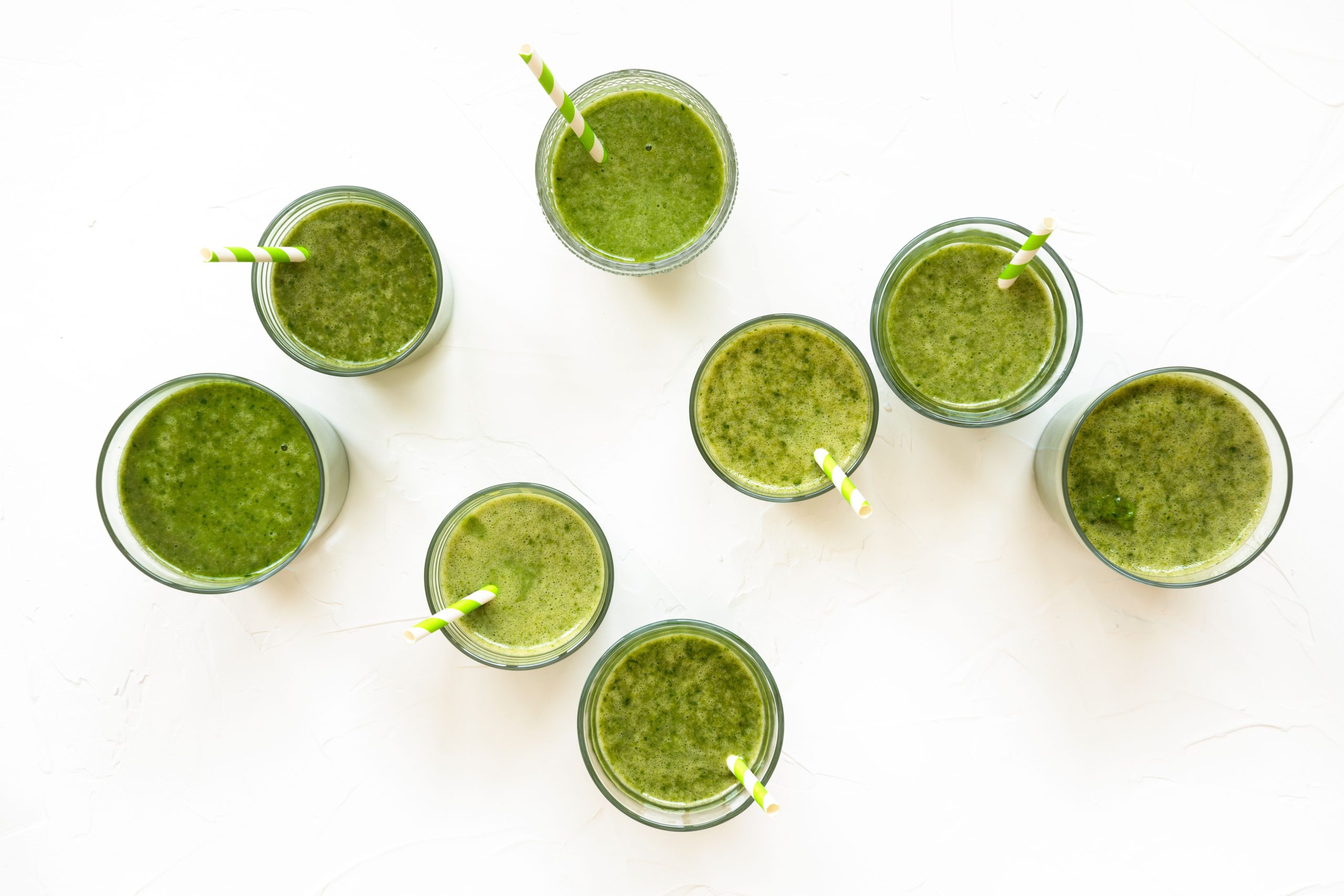
Beyond emphasizing plant foods and minimizing processed items (like the classic Med diet), the green-Med diet involves cutting out red and processed meats entirely and only allows for fish and poultry in limited amounts. To pump up those helpful polyphenols, it also includes three daily components: three to four cups of green tea, a plant-based protein shake (made with 100 grams of Mankai, a type of duckweed or nutrient-rich aquatic plant), and an ounce of walnuts. These foods were chosen for the trial to serve as case studies, Dr. Shai says, not necessarily because they’re the three healthiest plant products. (Of note: The Mankai was provided by the Israeli company Hinoman, for which Dr. Shai is an advisor, and the study was funded in part by the California Walnuts Commission.)
The results of the 18-month trial would confirm the researchers’ suspicion: Among people at cardiometabolic risk, those who followed the green-Med diet showed bigger improvements in heart-related metrics like cholesterol levels and blood pressure, and less evidence of brain aging via MRI scans than their peers who followed a traditional Med diet or were just given healthy dietary guidance.
Read on to learn why the green-Med diet may be even healthier than the OG for some people, plus how to fit it into your lifestyle.
Why the green-Med diet may offer greater health benefits than the broader Mediterranean diet
The extra heart-related perks may be partly the result of just eating even more plants and fewer packaged foods and animal products, Cara Harbstreet, MS, RD, LD, who owns Street Smart Nutrition in Kansas City and was not involved in the green-Med trial, tells SELF. That means you’re loading up on fiber, vitamins, and minerals while also lessening your intake of sodium and saturated fats—a double whammy of heart-supportive choices, she points out.
The daily duckweed shake is also a complete protein, meaning it supplies all nine essential amino acids, and it’s replete with iron and B12, which tend to be found mostly in animal products, Harbstreet points out. So with the green-Med diet, you can reap the benefits of eating ample protein without the cholesterol-related risks tied to meat consumption.
And then there’s the influx of diverse polyphenols from all the plant foods. These compounds help tamp down inflammation, Harbstreet notes, by acting as antioxidants: They neutralize unstable molecules in the body called free radicals and keep them from causing harm to cells, a.k.a. oxidative stress. At the same time, polyphenols can slow down your digestion of carbs, which boosts insulin sensitivity, and help nourish the supportive bacteria in your gut.
Indeed, the trial showed that eating more polyphenols, specifically, “was associated with greater improvements in brain structure, glycemic control, and visceral fat,” Dr. Shai says, suggesting these compounds may drive the diet’s metabolic and cognitive upsides.
Who should follow the green-Med diet—and who shouldn’t
The people who might especially benefit from the green-Med diet, Dr. Shai says, are those at higher-than-average cardiometabolic risk—for instance, people with insulin resistance or high cholesterol. Same goes if you have a personal or family history of heart disease, Harbstreet says. The green-Med diet can do a better job than the OG at mitigating this risk.
Those who are generally at low risk for heart or metabolic issues may not see as much of a benefit from opting for the stricter green-Med diet over the classic version, Dr. Shai notes.
And the green iteration could actually be risky for people with GI conditions like inflammatory bowel disease (IBD) or irritable bowel syndrome (IBS). Some of the fiber in plant foods falls into the camp of FODMAPs (a.k.a. fermentable carbs), which can spark GI upset in these folks, Harbstreet points out. If you’ve been following a low-FODMAP diet for any reason, she says, it’s best to consult a dietitian before diving into the green-Med approach.
How to make the green-Mediterranean diet work for you
There’s no denying that adding more plants to your diet and cutting back on processed foods is generally expensive, not to mention finding and buying duckweed. The Mankai version (sold as frozen cubes) is not currently available to ship to the US, meaning you’d have to scout online retailers or specialty grocers for powder types.
You also might be the kind of person who doesn’t gel with a super-regimented diet, or doesn’t love the taste of duckweed or green tea. That probably means sticking to the green-Med diet long-term—as is necessary to enjoy the positive effects—could be unpleasant or require more work than it’s worth, Harbstreet says.
In these scenarios, Harbstreet suggests just focusing on the “green” part of the diet’s name. “Maybe you’re replacing starchy veggies with something leafier, or making a green smoothie with spinach instead of duckweed—you may not replicate the study results exactly, but you’re still getting the benefits of more plants and more fiber in a way that may better fit your budget and taste,” she says.
Swapping animal proteins for plant-based ones is another general aspect of the green-Med diet you might adopt—even if that doesn’t involve duckweed, specifically. You could incorporate other complete plant proteins like soy products (e.g., tofu, tempeh), quinoa, and chia seeds, or just eat a variety of incomplete sources—legumes, grains, nuts—that together, supply you with the full set of essential amino acids.
You can also just aim to eat more of the green-Med diet’s MVP: polyphenols. They’re abundant in leafy greens, legumes, berries, herbs, olive oil, green and black tea, and various kinds of nuts, Dr. Shai points out. “The key is variety and consistency,” she adds. “The green-Mediterranean approach is not about one ‘superfood,’ but about building a diet that regularly delivers diverse plant compounds and plant-based proteins.”
Related:
- The 7 Best Foods to Fight Inflammation
- 10 Ways to Turn Tofu Into a High-Protein Meal
- 15 Time-Saving Tips For Eating Healthy When You’re Busy
Get more of SELF’s great service journalism delivered right to your inbox.
