


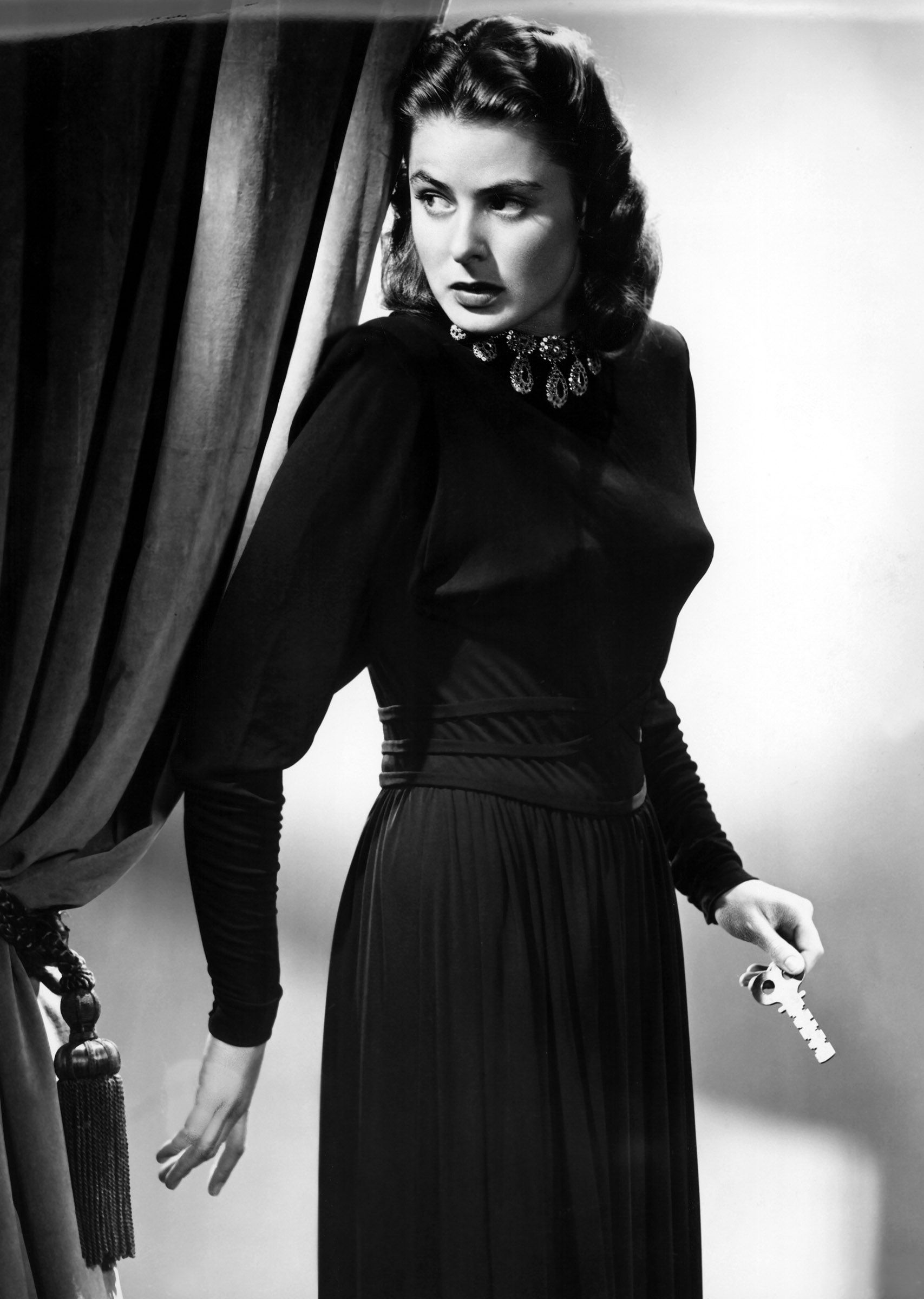
The honeypot—or honey trap—has re-entered the zeitgeist.
Ever since Nvidia CEO Jensen Huang’s affair with Chinese intelligence asset Alice Huang became public, the term has been everywhere, calling to mind KGB sleeper agent Elizabeth Jennings (and her wide variety of wigs) on The Americans, Ingrid Bergman fraternizing with Nazi collaborators in Notorious, and Eva Marie Saint’s slick Eve Kendall in North by Northwest. (Espionage fiction author John le Carré is widely credited with coining the phrase “honey trap” in his 1974 novel Tinker Tailor Soldier Spy, later defining it for the BBC as when you “put a girl in a chap’s way. It’s a sexual enticement operation.”) But the real-life phenomenon has far deeper and more interesting roots.
Below, a roundup of some of the most famous honey traps in world history:
Mata Hari

Dancer and espionage agent Mata Hari in 1906.
Photo: Getty Images
This Dutch exotic dancer and courtesan—who was born Margaretha Geertruida MacLeod in 1876— helped typify the concept of the femme fatale by seducing a wide variety of high-ranking military officers, including Prussian Crown Prince Wilhelm, German Major Arnold Kalle, Russian Captain Vadim Maslov, and former French Minister of War General Adolphe-Pierre Messimy. Hari was ultimately executed by a French firing squad in 1917 after a military court convicted her of spying for Germany during World War I, allegedly saying in her own defense: “A harlot? Yes, but a traitoress, never!”
Betty Thorpe
Thorpe, also known as Betty Pack, Betty Thorpe, Elizabeth Pack, and Amy Brousse, was an Anglo-American spy who worked for MI6 (the British Secret Intelligence Service) and whose targets included the Polish foreign minister’s chief of staff Count Michał Łubieński, Italian naval attaché Admiral Alberto Lais, and Vichy French Embassy press attaché Charles Brousse. When a biographer asked Thorpe if she felt ashamed of using seduction as a means of gathering military intelligence, Thorpe responded: “Ashamed? Not in the least. My superiors told me that the results of my work saved thousands of British and American lives… It involved me in situations from which ‘respectable’ women draw back… [but] wars are not won by respectable methods.”
KGB Mozhno girls
During the Cold War, the Soviet KGB deployed what it called “Mozhno girls” to befriend or seduce foreign targets in Moscow in order to gather intelligence. (Their name came from the Russian word mozhno, meaning “it is allowed”—a reference to the women’s special dispensation to break Soviet rules about intimate contact with foreigners; Jennifer Lawrence played one such figure in the 2018 spy thriller Red Sparrow.) Mozhno girls like Violetta Seina—the double agent who seduced Marine Security Guard Clayton Lonetree at the annual Marine Corps Ball in 1985—were most active under Joseph Stalin.
Stasi “Romeo” agents

Actors Winfried Glatzeder and Erika Skrotzki in Schlüsselblumen, a 1987 German television program about a Romeo agent.
United Archives/Getty Images
As it turns out, men can be honey traps too. The East German Stasi (or secret police and intelligence agency) proved as much when spymaster Markus Wolf masterminded the system of training select male agents between the ages of 25 and 35 to target lonely or vulnerable West German women—particularly secretaries, clerks, and translators—who worked in sensitive positions inside West German government. A CIA history notes that Wolf’s “Romeo” operation successfully compromised dozens of West German targets over four decades.
Christine Fang
Earlier this year, newly declassified FBI documents provided additional information about former California Democratic Rep. Eric Swalwell’s relationship with Christine Fang, a suspected Chinese intelligence operative also known as “Fang Fang.” Not only was Fang involved with fundraising for Swalwell’s 2014 re-election campaign, but the two also engaged in an affair before Fang fled the United States in 2015.
