


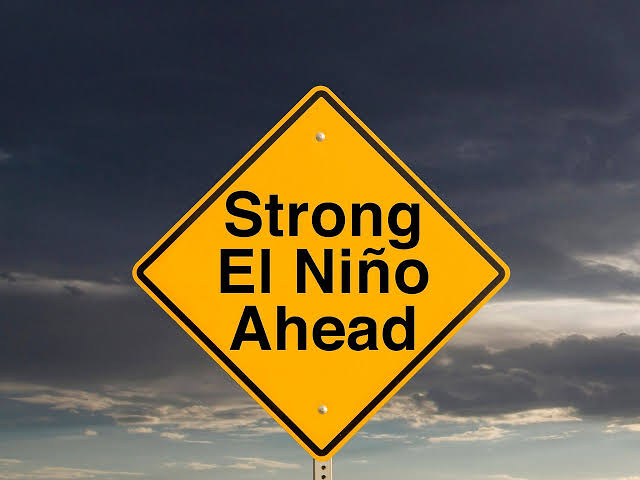
El Niño is strengthening rapidly, with forecasters expecting a very strong event to peak toward the end of this year.
The World Meteorological Organization (WMO) has announced that El Niño has a nearly 100% chance of continuing through February 2027, raising the risk of significant shifts in rainfall and temperatures worldwide.

Image via WMO Website
For China, the effects could extend well beyond the expected year-end peak.
What’s Driving the Rapid Strengthening?

Image via Pexels
El Niño develops when surface waters across the central and eastern equatorial Pacific become unusually warm.
This time, a substantial store of heat beneath the surface is helping drive a particularly rapid rise.
WMO reported that subsurface ocean temperatures in parts of the tropical Pacific exceeded 8°C above average during July and early August.
As that heat reaches the surface, it can reinforce the warming already underway.
China’s National Climate Center recorded sea temperatures in its monitored region at 2.09°C above normal in July, rising to 2.64°C by late August.
The center expects the event to peak around November or December and says it could become one of the strongest—potentially the strongest—observed on record.
What Could It Mean for China?

Image via Pexels
The more immediate effects are likely to be felt in rainfall and temperatures.
China’s National Climate Center expects above-normal rainfall this fall across most of the Yangtze River basin and areas farther south, with Jiangnan likely to be particularly wet.

Image via Pexels
El Niño years also increase the probability of a warmer winter across China.
The influence can extend into the following year.
Chinese climate experts say El Niño has a lag effect, with some of its impact emerging months after the event strengthens or peaks.
That puts 2027 firmly on the radar.

Image via Pexels
Historically, the year following the development of El Niño can bring increased rainfall to several of China’s major river basins—with the Yangtze among the areas being watched particularly closely for heavy rain and flood risk next summer.
The actual outcome will depend on atmospheric circulation and weather conditions closer to the time, with El Niño providing the broader climate background.
Have you noticed any differences in the weather where you live this summer, from temperatures and rainfall to the length or intensity of hot spells?
Let us know in the comments below.
[Cover image via Pexels]