


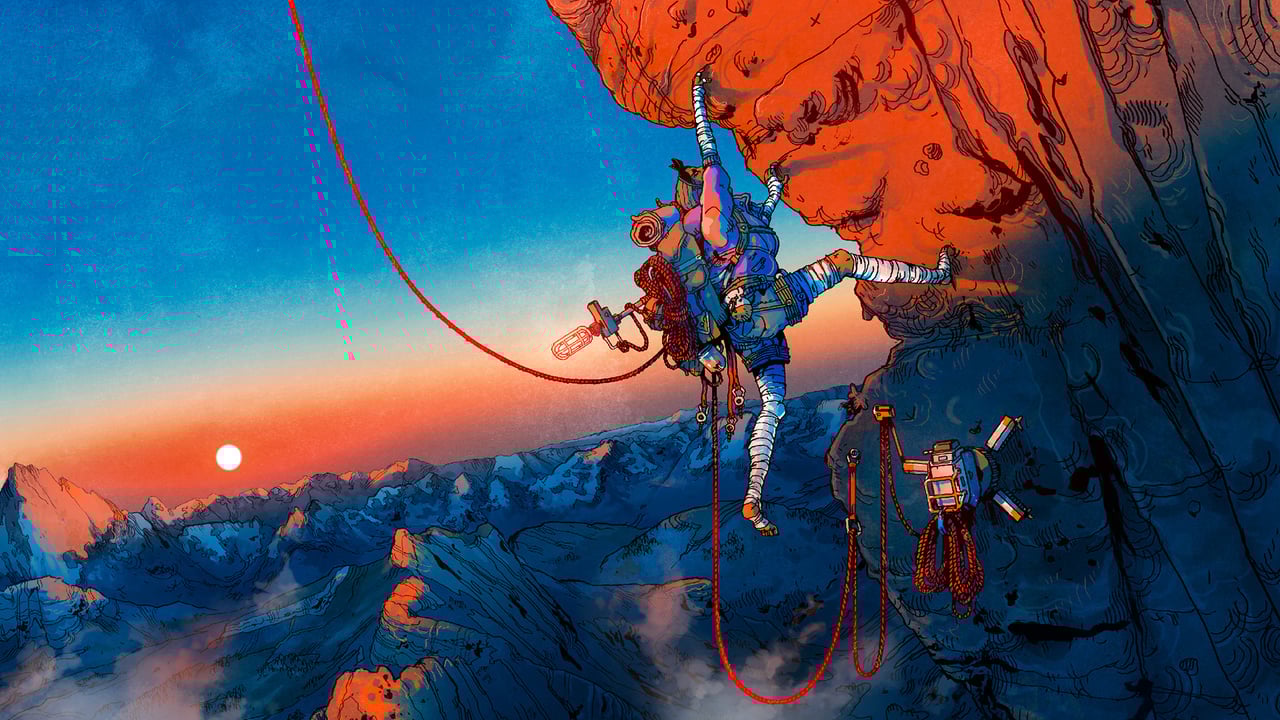
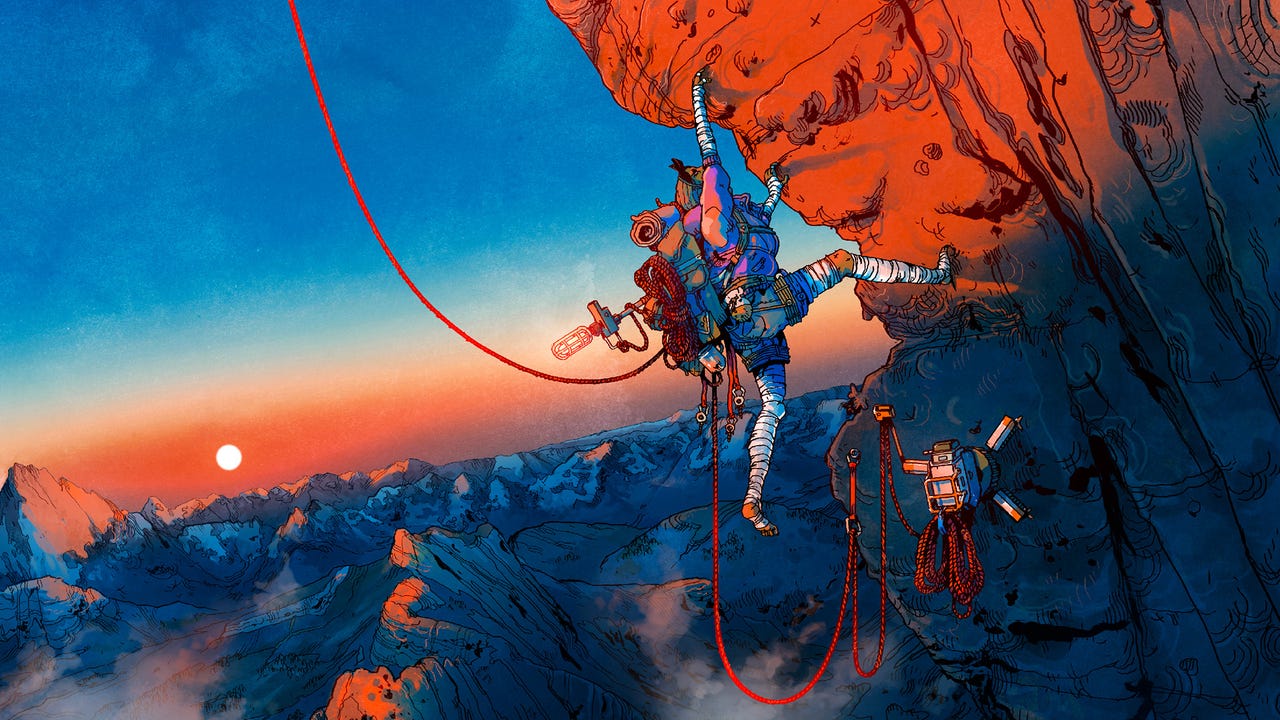
Image via The Game Bakers
Are you a game developer looking for tools to think about storytelling? Maybe you’re a game writer or narrative designer looking a home for brass-tacks discussion about the craft? Welcome, dear readers, to Narrative Notebook, my new column inspired by my side work in the world of indie games.
I have a very simple philosophy of storytelling in video games: great games writing is everywhere in games. We just don’t always have the tools to spot it.
I’ve had opportunities in the past to gush about great storytelling moments in games, but they came at something of an irregular cadence. That’s made it trickier to discuss broad topics or keep regular track of advancements in the field. I want Narrative Notebook to be a resource for everyone who needs a touch of storytelling—no matter how big or small—to make their game special.
It’ll also be a home for narrative inspirations outside of games. I want to help developers see how to harvest emotions and themes from works outside the interactive world.
Related:Laptop mishaps and a GDC chat with Owlchemy Labs CEO Andrew Eiche
We’re kicking off this series with a look at The Game Bakers’ sci-fi mountain climbing adventure Cairn. It’s already destined to be one of my favorite games of 2026. The game’s climbing system and vertical level design are technical and creative wonders, and its stunning art direction is a feast for the eyes. But what I was most surprised by was the story’s protagonist, Aava.
In video games when we meet characters determined to accomplish an impossible task, they’re often positioned as eager go-getters. But Aava is something different—a prickly person often rude and abrasive to the people she encounters. She’s a case study in contrasts, and a great reference point for developers looking to tell morally nuanced stories in the video game medium.
Aava is an athlete struggling to keep her humanity
Spoiler warning – we’ll be discussing the plot of Cairn in great detail below.
When I spoke with The Game Bakers creative director Emeric Thoa back in 2024, he described Cairn‘s emotional core as being inspired by the intense rush that climbers feel making it to the top of a climb.
Thoa described how this emotion informed Aava’s character in an interview in a December 2025 interview on the official PlayStation blog. “She’s demanding, perfectionist, and can’t stand failure. And when she conquers a difficult route, when she pauses for a moment on a ledge with a breathtaking view, she feels free. It’s for moments like these that she climbs—that’s her main drive.”
That “main drive” is more overwhelming with Aava than in most other characters I’ve seen with similar motivation. As the story progresses, players are likely to be surprised by how little warmth this fictional celebrity solo climber shows for anyone else in the story. She screams in anger any time her partner Naomi or handler Chris send messages. She’s rude to Marco, a younger and less-jaded climber also scaling Kami and at first she shows no affection for Climberbot, her cute robot pal wordlessly supporting her journey up the mountain.
Related:What happens when story serves art direction in Absolum – Narrative Notebook #2
This behavior doesn’t just appear in cutscenes. Some of these interactions play out in barks that pop up during the climb, and there are a few key moments where the player can only proceed when they lash out at Marco.
But Aava isn’t always like this. Like many gruff protagonists, she warms up to Marco after initially telling him off. She’s somber and reflective when studying journals left by other climbers and a native tribe called the Troglodytes. And her indifference to Climberbot turns to intense sorrow after she strikes it in a fit of anger.
In a traditional arc, this would be a story where she lowers her guard and learns to let others in. But this is not a traditional arc. And Aava’s journey isn’t about love or warmth—it’s about searching for the only thing that can make her feel alive.
Related:How improvisation and kicking a ball around drove authenticity in Despelote
What happens when you’re only happy doing the impossible?
Cairn is also a fantastic case study in subtext. Players are trusted to pick up on Aava’s emotional state through terse exchanges with other characters and the ignored messages from home. But the subtext hits a peak when late in the game, Aava sends a message home trying to express her feelings and why she’s on this dangerous journey—and she can’t.
It’s not just because of exhaustion. Aava has lost so much of her humanity in search of the climb. The thing that makes her feel alive is the sensation of reaching the summit. Aava will only be happy when she—and the player—reach the mountain’s summit. But Kami’s environment is like Mt. Everest on steroids. The bodies of dead climbers litter the slopes all the way up, and to finish her journey is to risk life, not just limb.
This becomes apparent after a devastating dream sequence midway through the game that uses Fleischer-era style animation entirely unlike anything else in the story. Aava has received news that would have sent most people turning around to rush down the mountain and comfort her loved ones—and instead all she can do about it is have nightmares and continue the climb.
Not for nothing, but what follows is also one of the most challenging sequences in the game. I muscled through it, refusing to reload an earlier save even after many failures, because I did not want to experience that dream sequence again.
Back in 2023 I asked Thoa why Cairn was a science fiction adventure game and not just a climbing simulator (which maybe could have been a less-risky business proposal), he said the team at The Game Bakers loves games with some kind of meaning.
Here, that meaning comes all from Aava’s shattering sense of self, and players have to confront the question—what else is left for someone like her when they summit the highest peak in all the land?
It’s fascinating how Cairn pulls off this complex story without needing the subversive setpieces you might find in a game like The Last of Us or Spec Ops: The Line. In my own work, I’ve had to interpret characters through the lens of the player power fantasy—Aava makes me contemplate how writers can create complex characters without taking the player’s attention away from the fun and rewarding parts of a game.
February inspirations: Bone Temples and Boston abolitionists
As promised, I’m leaving you with a short list of works to look at outside of video games, with some notes on what to pay attention to.
-
28 Years Later: The Bone Temple
-
Come for a study in how filmmakers hand off characters like batons, preserving their essence while changing cinematic direction. Stay for a lesson in why non-musical stories sometimes thrive with a climactic musical number.
-
-
The Boston Way: Radicals Against Slavery and The Civil War
-
Author Mark Kurlansky dives deep into the history of New England abolitionism, a fascinating slice of history not taught in most public schools.
-
The history lessons are important. But there is another fascinating takeaway from this text: we have not changed one bit over the last 200 years. This book has it all. Shit-talking in the press. Children’s book authors being “canceled” for speaking out for human rights. Squabbling between movement leaders.
-
Read this book not just for meditations on morality, but also to study how your players can experience the past not just as a museum, but something echoing the modern day.
-
-
This traveling photography exhibition is bound for the Los Angeles Center of Photography, but you can view the works online. I was lucky enough to see it in person at the Griffith Photography Museum in Winchester, MA.
-
At the surface level, there’s much untapped potential in borrowing from the art of photography in crafting video game aesthetics. But I nudge you toward this gallery also to consider its core theme: the anniversary of (white) women’s right to vote in the United States…and how that promise of equality has been threatened, if it ever existed at all.
Until next time—just remember: great games writing is everywhere.
About the Author

Senior Editor, GameDeveloper.com
Bryant Francis is a writer, journalist, and narrative designer based in Boston, MA. He currently writes for Game Developer, a leading B2B publication for the video game industry. His credits include Proxy Studios’ 4X strategy game Zephon, Iron Anchor Studios’ Down With The Ship, and Amplitude Studio’s 2017 game Endless Space 2.