


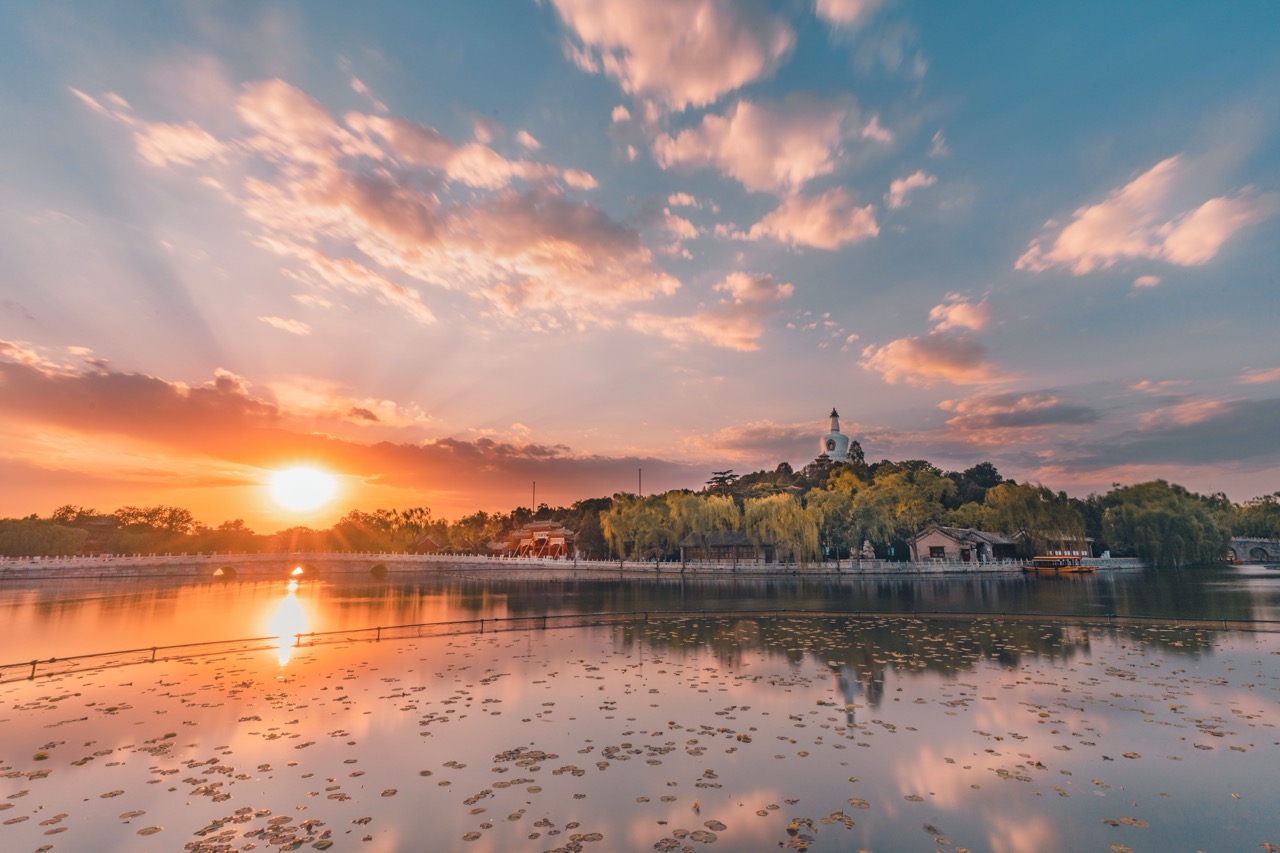
Fall has officially arrived in Beijing, five days earlier than usual.
The city entered meteorological autumn on September 8, compared with the 1991–2020 average of September 13, making this the earliest autumn start since 2016.
The shift has been most noticeable overnight.
Since September 8, stronger high pressure around Lake Baikal has helped guide repeated bursts of colder air south toward Beijing.
From September 8 to 15, the city’s average minimum temperature ran 2.5°C below the seasonal norm, the lowest for the same period since 2007.
Officially, the date is determined under a national meteorological standard using five-day moving average temperatures.
For everyone outside the weather station, autumn is easier to read in other ways.
Cooler mornings and evenings come first.

Image via Visit Beijing website
Over the weeks that follow, the autumn colors tend to appear earlier in its higher, cooler mountain areas before becoming more prominent at lower elevations and, later, across the parks and streets of the city.
And leaves are only part of the story.
Look Up

Image via Beijing Evening
Another sign of the season is happening overhead.
Beijing’s autumn bird migration is already underway, bringing migrating birds through its forests, wetlands, and urban parks.
At Wild Duck Lake National Wetland Park, monitoring teams have already recorded large numbers of migrating forest birds arriving.
Meanwhile, birdwatchers and photographers have been turning their lenses upward at Olympic Forest Park, Temple of Heaven Park, and Yuyuantan Park, where smaller migrants are passing through the city.

Image via Beijing Evening
From mid-to-late September, larger geese and ducks begin appearing in greater numbers at Wild Duck Lake, with more species following as the migration progresses, adding another harmony to Beijing’s autumn landscape.
Then Come the Reeds
By October, Beijing’s wetlands and lakesides begin taking on a different texture.
At Olympic Forest Park, large stretches of reeds around the wetlands turn golden alongside ginkgo, maples, and other changing foliage.

Image via Pexels
The park’s broader autumn viewing season typically runs from around mid-October into early November, while its reeds can remain striking even later in the season.
It is a softer, satin-gold side of Beijing autumn: reeds rustling in the wind, lower afternoon light, and water reflecting a landscape gradually shifting away from summer green.
The Mountains Turn First
For the bigger color show, look toward the outskirts.
Higher elevations cool sooner, which is why autumn foliage around Beijing’s mountain areas generally develops ahead of many downtown locations.
At Badaling, around 200 hectares of red-leaf forest flank the Great Wall, with the area’s higher elevation and larger day-night temperature swings helping its autumn color arrive relatively early.

Image via Pexels
By mid-to-late October, the Wall begins cutting through hills of red, orange, yellow, and lingering green.
Badaling is traditionally among Beijing’s earlier major red-leaf viewing areas, while Mutianyu also develops strong autumn color through October and into November.
And Finally, Beijing Turns Gold
Then autumn comes further into the city.
Ginkgo is one of Beijing’s most recognizable late-autumn signatures, turning avenues and park paths into stretches of yellow.
At Diaoyutai Ginkgo Avenue, the main viewing period generally falls from late October into early November.
Ditan Park’s ginkgo avenue follows a similar seasonal window, giving the city two very different settings for the same deep-gold finale.

Image via Pexels
By then, fallen leaves begin covering paths, sunlight filters through yellow canopies, and Beijing settles into the brief stretch of autumn that photographers wait for all year.
But there is no need to wait for peak color.
September 8 may be when Beijing officially entered autumn, but the season is already unfolding around the city.
The air is cooling, migrating birds are passing overhead, reeds are beginning to shift in color, and the mountains will soon follow.
Before the ginkgo avenues turn fully gold, there are already plenty of reasons to stay outside a little longer, for a bike ride, a walk, or a picnic as the summer heat begins to ease.
[Cover image via Pexels]
