


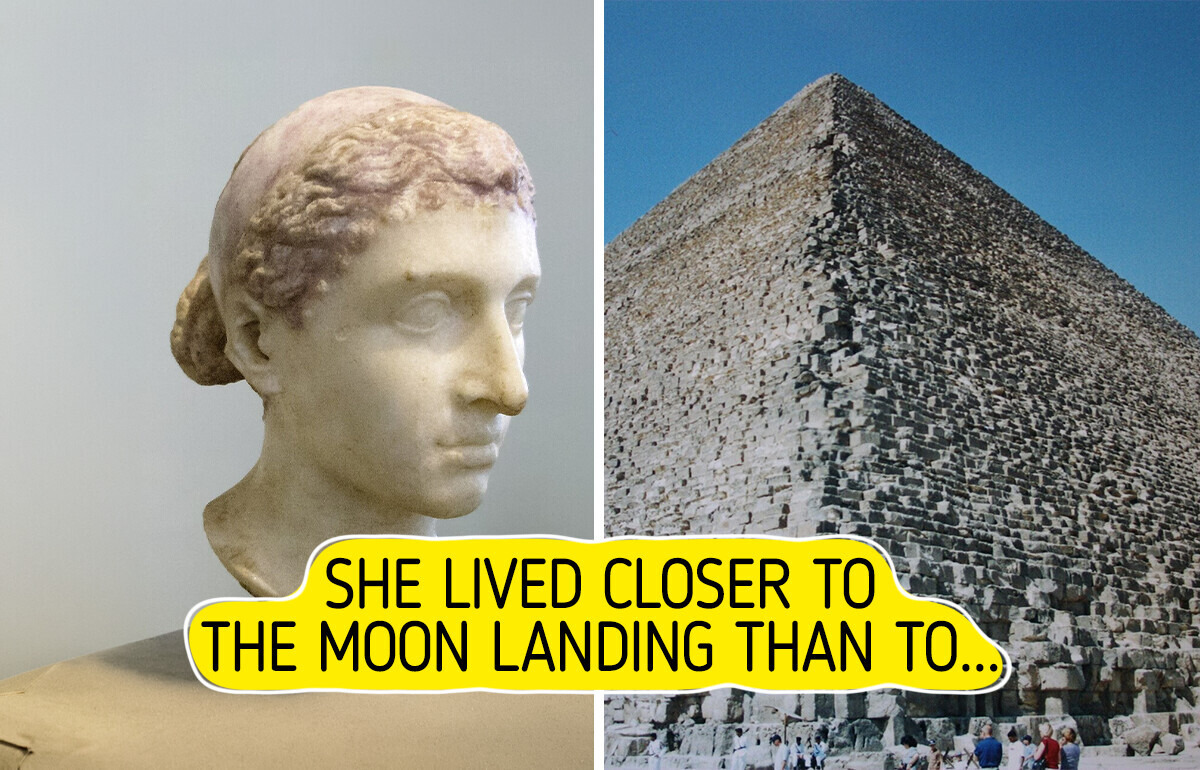
My mom sends me animal videos with one question, “Is this real?”, and about half the time I have to tell her yes, even when it sounds impossible. Her next question is always “How do they know?”, which is the right one. These 12 facts sound made up, from sharks being older than trees to Cleopatra living closer to the Moon landing than to the pyramids, and each one has a source.
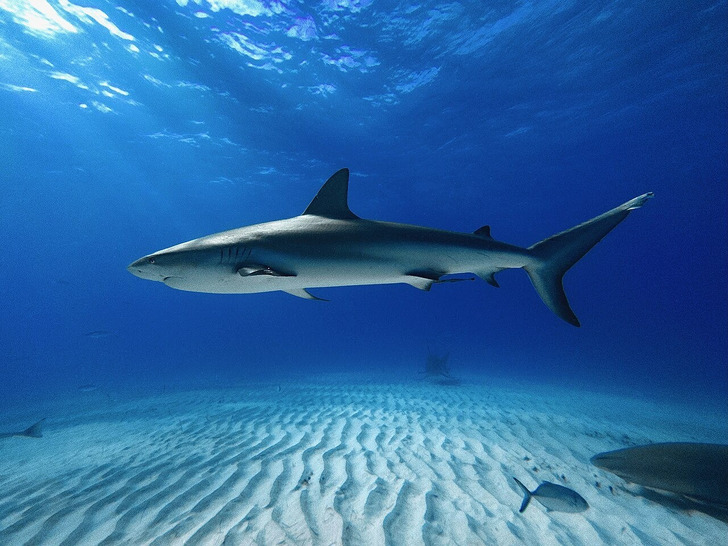
Sharks Are Older Than Trees

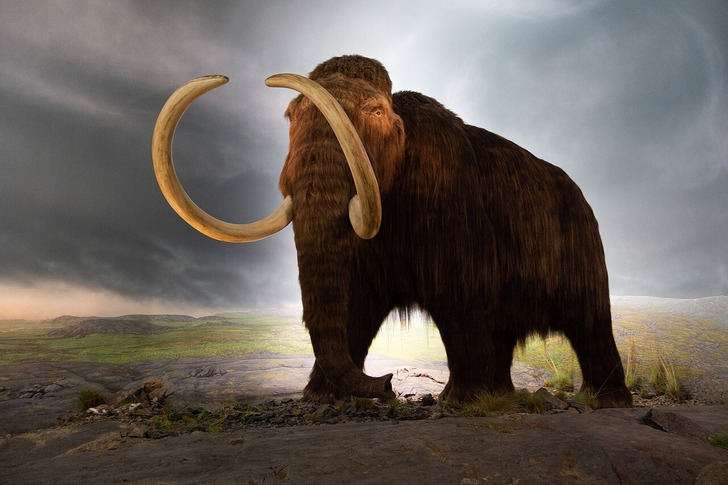
Woolly Mammoths Were Still Alive When the Great Pyramid Was Built
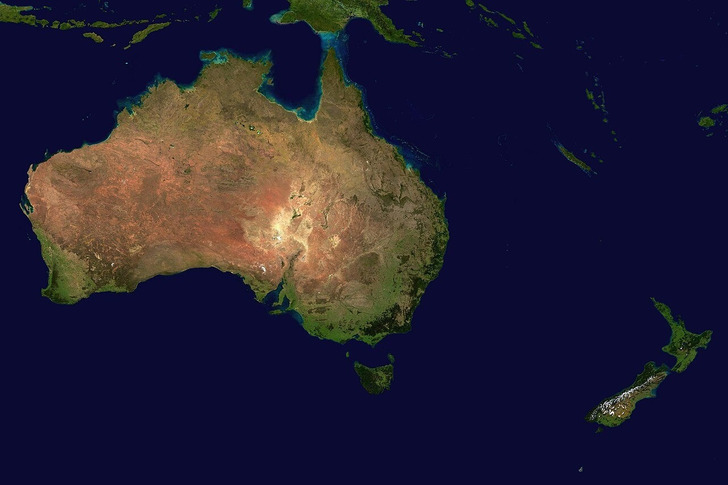
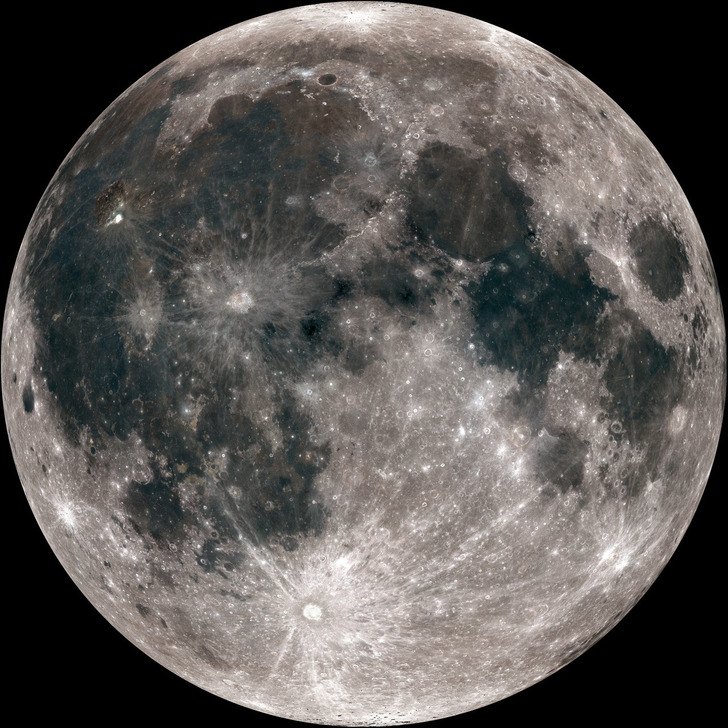
Australia Is Wider Than the Moon
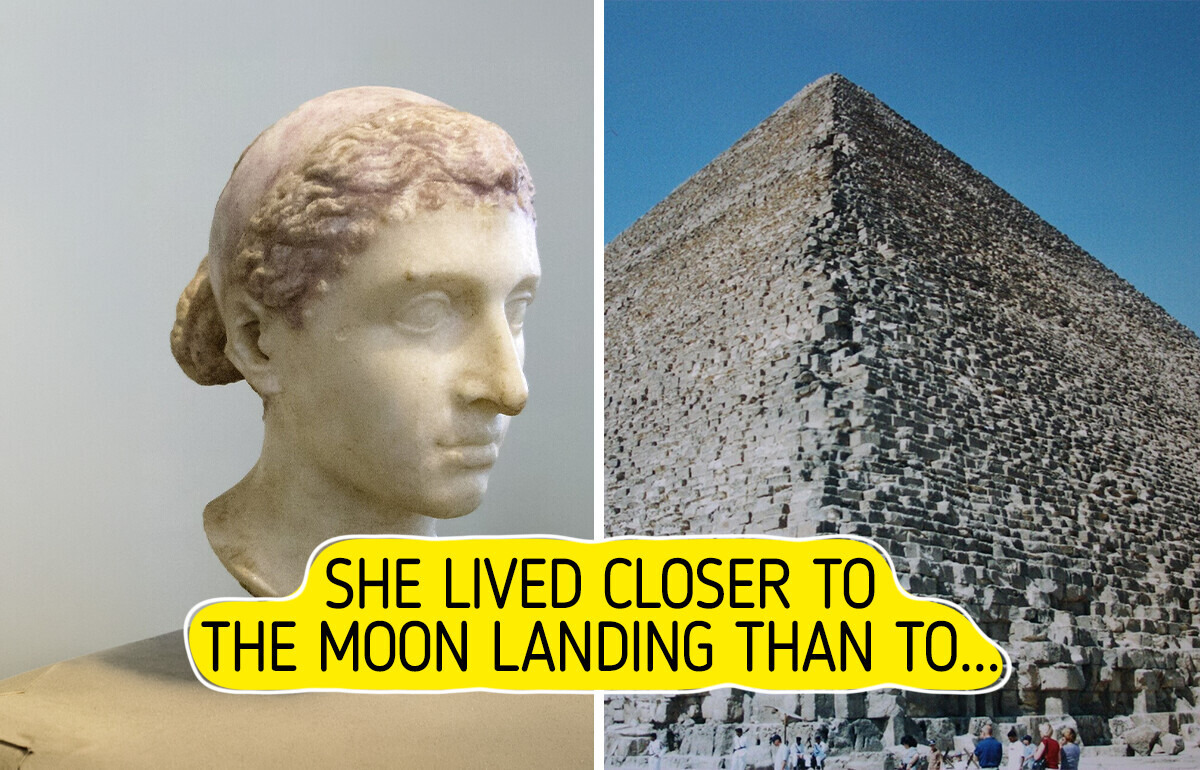
Cleopatra Lived Closer to the Moon Landing Than to the Building of the Great Pyramid
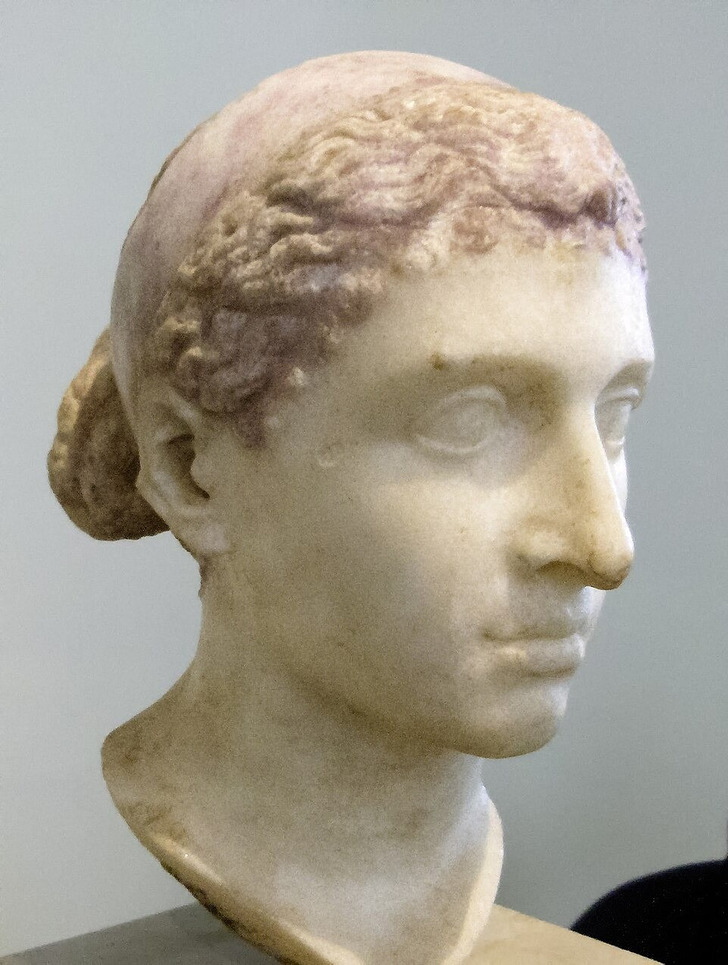
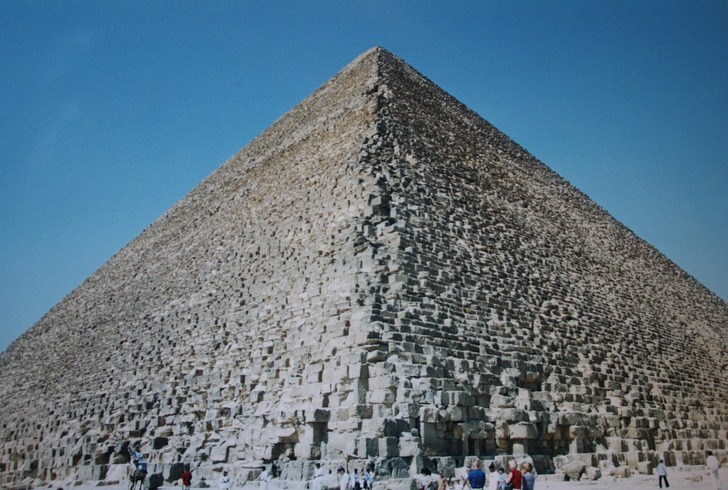
The Great Pyramid was built around 2560 B.C. Cleopatra was born in 69 B.C. and died in 30 B.C., so when she was born, the pyramid was already about 2,490 years old.
The first Moon landing came on July 20, 1969, about 2,040 years after her birth. The ancient dates carry a few decades of uncertainty, but not nearly enough to change the answer. To Cleopatra, the pyramids were already ancient history.
Wombats Poop Cubes, and Scientists Worked Out How
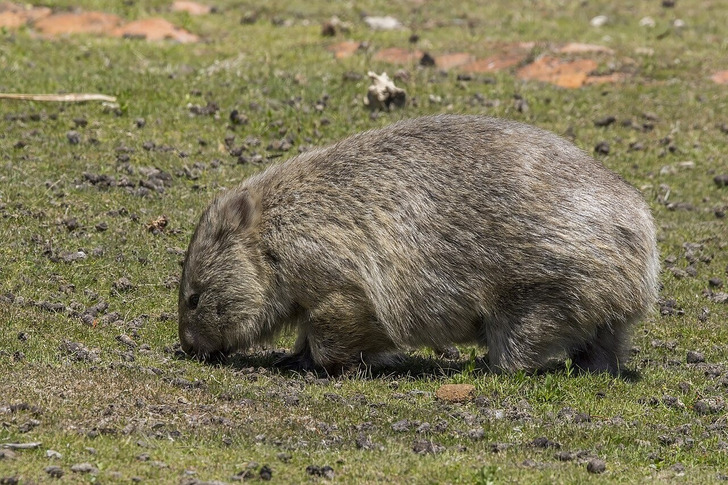
Bare-nosed wombats can produce up to 100 cube-shaped droppings a day, each about 2 centimeters across, Smithsonian reports, and they place them around their territory, possibly to communicate with other wombats.
Researchers found that the end of a wombat’s intestine has stiffer and stretchier sections that squeeze unevenly and shape the corners. The work won an Ig Nobel Prize in Physics, the award for research that first makes people laugh and then makes them think.
Pluto Hasn’t Finished a Single Orbit Since It Was Discovered in 1930
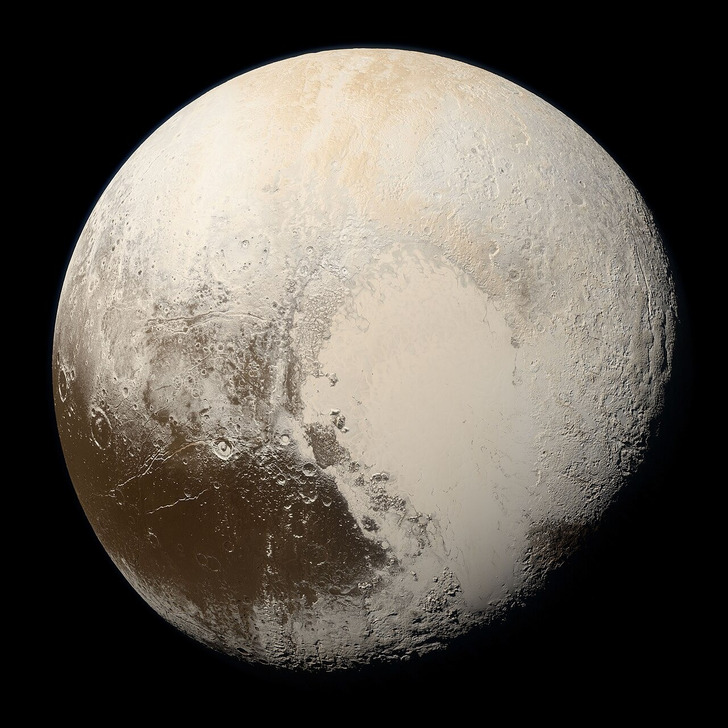
Pluto was discovered in 1930, and NASA says its oval orbit takes 248 years, carrying it between 30 and 49.3 times Earth’s distance from the Sun.
So since the day it was found, Pluto has made it less than halfway around the Sun. It won’t finish its first full orbit since its discovery until around 2178.
A Day on Venus Lasts Longer Than Its Year
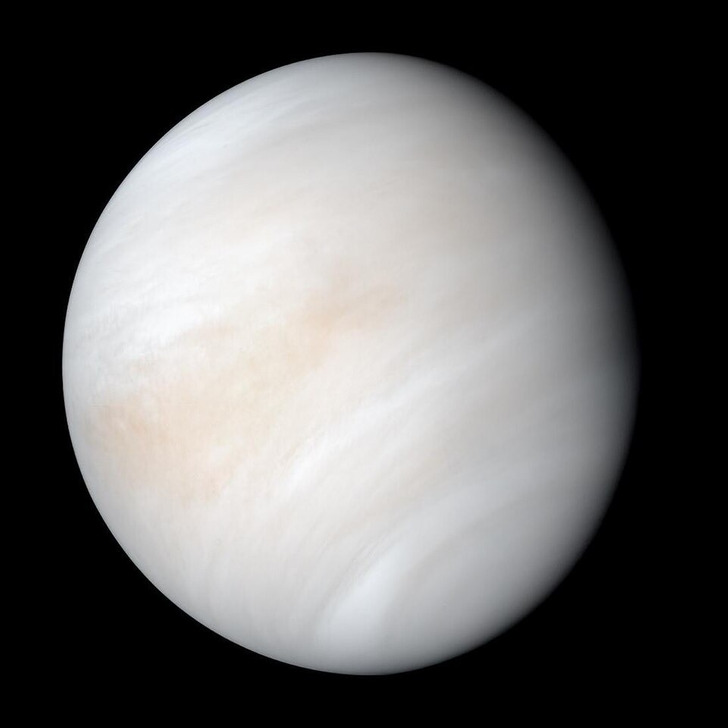
Venus takes 243 Earth days to spin once on its axis, NASA says, but only 225 Earth days to go around the Sun. So a single Venus day is longer than a whole Venus year.
It also spins backward compared with Earth, so on Venus the Sun would rise in the west and set in the east. And because the planet turns so slowly, sunrise to sunset would take 117 Earth days.
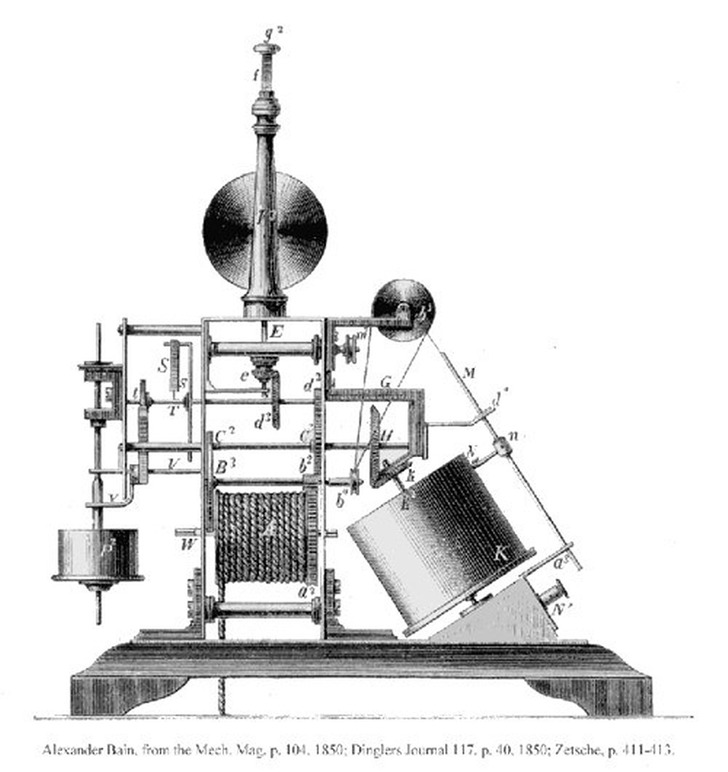
The Fax Machine Was Patented 33 Years Before the Telephone
Scotland’s National Animal Is the Unicorn
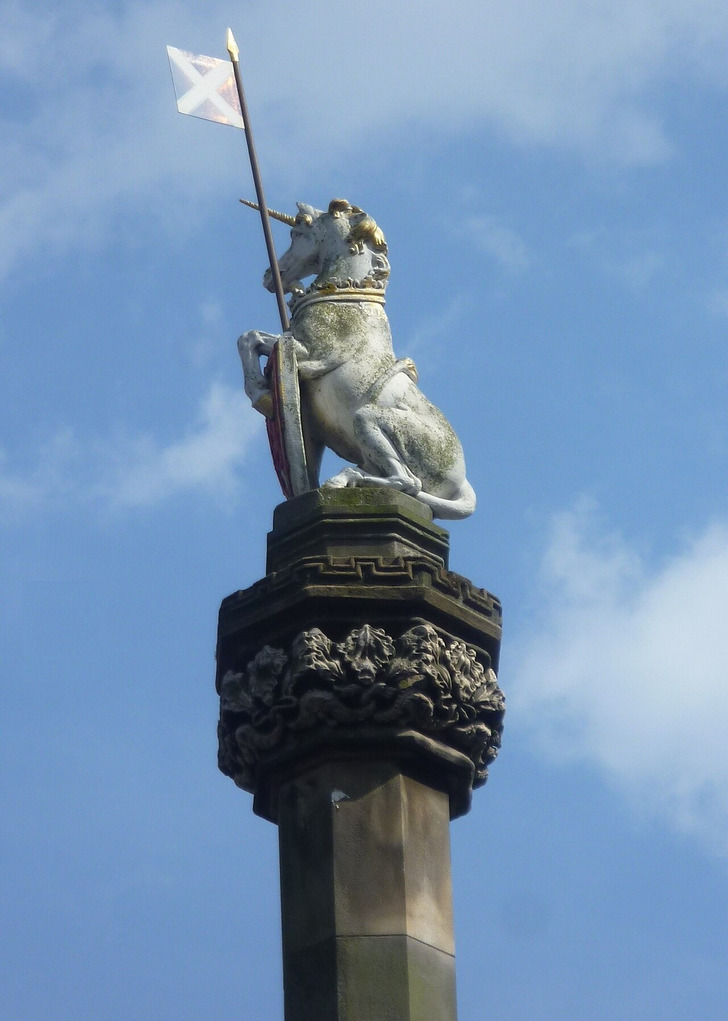
Yes, a mythical animal. Scotland.org says the unicorn is Scotland’s national animal and has been a symbol of its culture and history for centuries. Unicorns first appeared on the royal coat of arms of Scotland around the 12th century.
You can still find them carved in stone across the country, like this one on top of the Mercat Cross in Edinburgh.
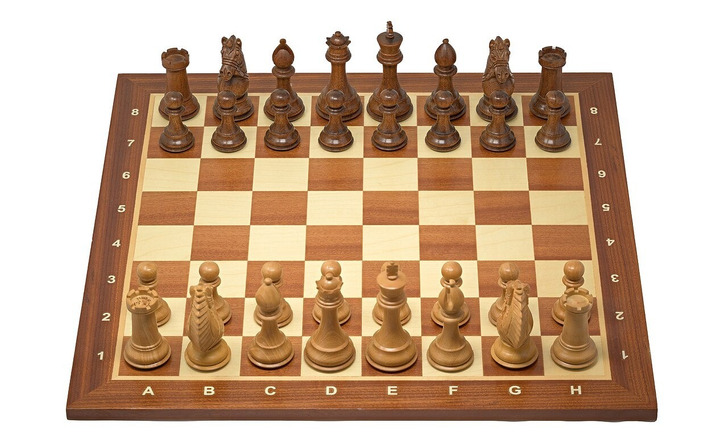
There Are More Possible Games of Chess Than Atoms in the Observable Universe
The World Has 47% More Honeybee Colonies Than in 1990
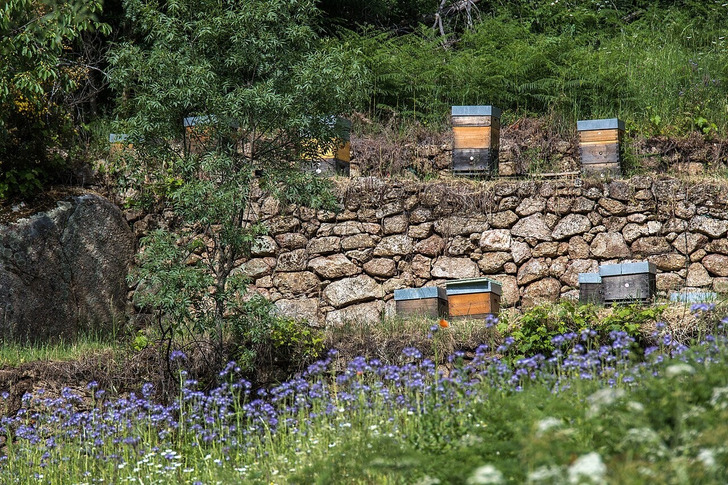
According to UN Food and Agriculture Organization estimates, the world had about 101.7 million honeybee colonies in 2024, 47% more than in 1990, Germany’s federal statistics office reports. Asia has the most, about 45.2 million.
These are colonies kept by beekeepers, and the trend is not the same everywhere: in Northern America the number fell. Wild bees are a separate story.
The US Has More Forest Than in 1910, Even Though Its Population More Than Tripled
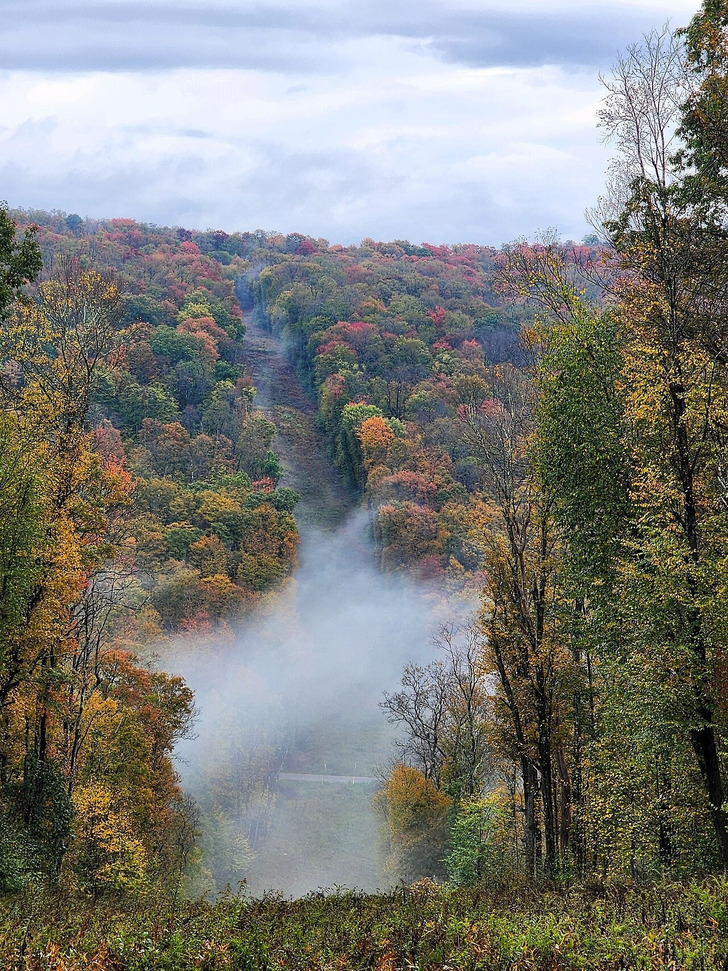
In the 1800s, Americans cleared about 13 square miles of forest a day for 50 years, and by 2012 the country had slightly more forest than it did in 1910. It sounds like a typo, and it may be one of the quietest pieces of good news of the last century.
Which of these did you have to read twice? Tell us in the comments.
