


There is a lot of buzz around baseball as Monday’s trade deadline is rapidly approaching. AL and NL Wild Card contenders are facing their final big decisions prior to the deadline, which could see a lot of starting pitching and big bats change teams before 6 p.m. ET on Aug. 3.
That Aug. 3 deadline is the last chance for any team in the contention mix to make deals to improve their rosters prior to the postseason. There are still opportunities to add players after Monday, including free agent acquisitions and waiver claims, but all trades would officially cease until the start of the offseason.
MLB’s waiver deadline is now a thing of the past
This wasn’t always the case, however, as baseball had two separate trade deadlines for many years. The traditional July 31 deadline required all deals to be completed without the use of waivers, but a separate Aug. 31 deadline allowed teams to trade players with one notable catch: they had to pass through waivers.
There was a routine industry practice that saw teams put large portions of their roster on revocable waivers after July 31, which would allow any team to claim a player put through them. The revocable nature of the waivers would mean a team could simply pull back any player they wanted to keep, often spamming the wire to try and sneak trade targets through waivers.
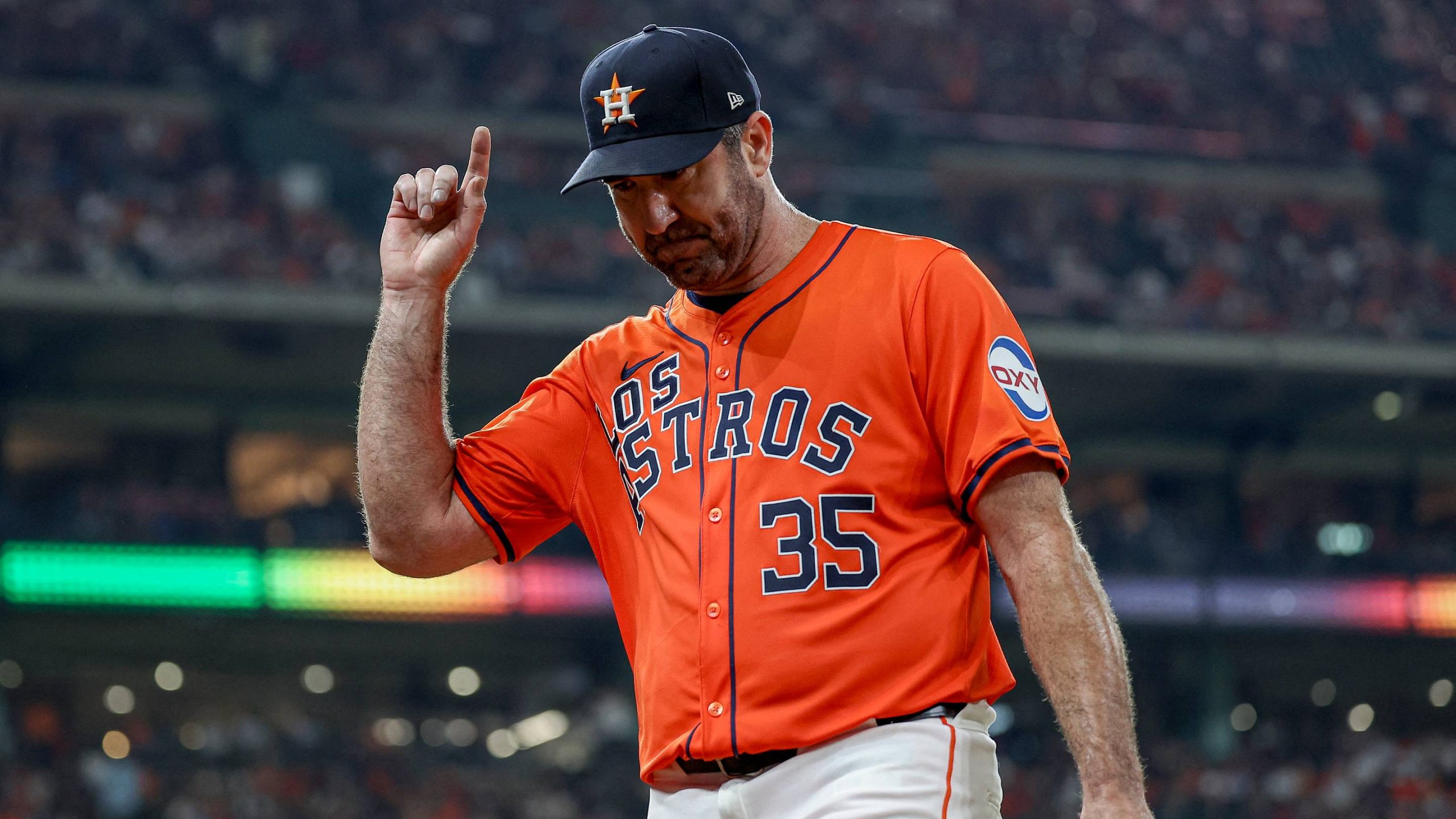
If a player was claimed off waivers, teams would then have three options: pull the player back, let another team take them, or make a trade with that team. Any trade would also involve other players who cleared waivers or prospects, with one of the most famous waiver trades coming in August of 2017, when Houston added Justin Verlander minutes prior to September and won their first World Series with him.
What happened to baseball’s waiver trade deadline?
The waiver trade deadline no longer exists thanks to a 2019 rule change that eliminated the practice of waiver trades. Teams can still place players on waivers after the trade deadline, but the idea would be to simply remove them from the roster, not to facilitate deals.
The Los Angeles Angels infamously exploited the waiver system in 2023, unloading a bunch of players they acquired at the trade deadline to try and win with Shohei Ohtani when it became clear they weren’t going to reach the postseason. The idea behind the Angels’ moves was to dump salary to avoid exceeding the luxury tax, a goal Los Angeles achieved.
The main reason behind the decision to have one deadline was to make things simpler for the league office, which had to sift through dozens of waiver transactions (many of which were not publicized) after the trade deadline by teams trying to sneak players through to complete deals. This process is much cleaner transactionally, but perhaps a later deadline around Aug. 15 would allow teams more clarity to make their final buy or sell calls than they have right now.
More MLB Trade Deadline news and analysis
 Add us as a preferred source on Google
