


Welcome to the Scoop: a weekly email series in which I quiz fashion insiders on the stories of the week. This will be a way for the Vogue Business community to synthesize and reflect on the latest headlines and get a little inside scoop every Friday.
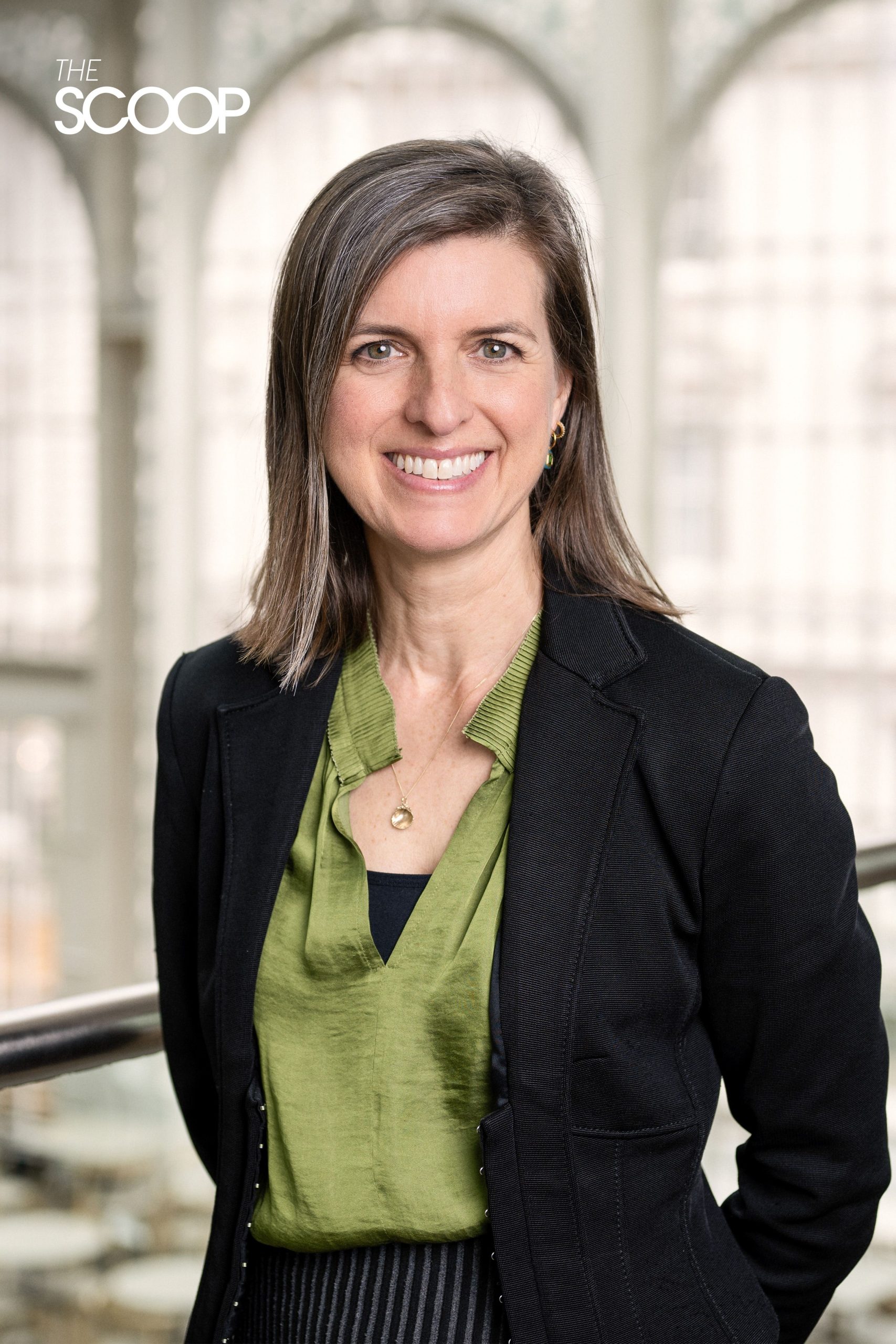
This week’s guest is the Royal Ballet and Opera’s chief commercial officer, Sophie Wybrew-Bond. After a career in media, Sophie joined the Royal Opera House in 2024, as the organization looked to build a more resilient mixed-funding model.
One of the first things Sophie did was to add the word ‘ballet’ to the name. Ballet is half of what the company does, but according to Sophie, 30% of their audience didn’t know it. They do now — and they have grown as well. In the years since Covid, the RBO’s social channels have grown from about 3 million followers to 7.5 million, mostly because they began posting content that felt light and organic, rather than branded.
At the same time, much like everywhere else in culture, brand partners at the Royal Ballet and Opera House are arguably more important than ever. I called up Sophie to find out their plans for the festive season.
Hi Sophie, what’s the scoop?
This year’s festive partner for the Royal Ballet and Opera is L’Oréal. This is the second time we have had a Christmas partner — last year’s was Paul Smith. L’Oréal is designing the Christmas tree in the Paul Hamlyn Hall. The concept we are working with is “Where beauty meets performance”.
We want a tree of discovery; meaning that people come into the house and even if they don’t have a ticket, they’ll spend a bit of time looking and finding details and delightful extra bits that you don’t notice at first glance. We’ve got 10 bespoke dioramas, which are like little storytelling elements to the tree, which then have L’Oréal products within them. At the top of the tree, we’ve got a star made of pointe shoes that glitter. We will be unveiling the tree next Wednesday, November 18.
What is in a festive partnership?
We actually also announced a beauty partnership with L’Oréal just recently, which means their product is being used by our wigs, hair and makeup teams. One of our principals, Marianela Nunez, who’s been with the company for 26 years, is the face of that partnership. As part of that, we offer some behind-the-scenes tours to our community. We program moments during the holidays, where you can drink and dine or listen to music — and it will be all around the tree. Because of The Nutcracker, people will be coming into the house to feel festive.

Christmas tree ornaments composed of L’Oréal products.
Photo: Laura Aziz
How did the partnership with L’Oréal happen?
It’s really important for us that partnerships are not like a badge-type sponsorship. The storytelling on digital channels is as important. While thousands of people will see this tree, hundreds of thousands more will see it on digital channels across the world. The impact that we had with our Paul Smith partnership last year was pretty visible so L’Oréal came to us to explore working together.
I was interviewing Sydney Levrone last week at the Vogue Business Global Summit. She spoke about the relationship between sport and beauty, and how all the track and field athletes these days are “completely glammed out”.
Certainly, the Royal Ballet dancers are elite athletes and then they need to have an artistic interpretation on top of the technique and the athleticism they exhibit. It sets the bar really high on both sides. So when it comes to beauty, you need to make sure you have a partner who meets those standards with high performance products. The product needs to last through really extreme circumstances, which is why we came up with that “beauty meets performance” theme.

Behind the scenes for the festive preparations at Royal Ballet & Opera.
Photo: Laura Aziz
How closely do you follow fashion? And why is it important for ballet to be connected to the fashion and luxury industries?
In our case, we’re very, very interested in how fashion houses are telling their stories. But fashion and ballet have always been quite closely connected. Obviously, costumes have to be aesthetically beautiful, but they also have to perform. They have to work with choreography, they have to allow movement and breathing, but also hold their shape in this high-performance environment. As fashion has had such an evolution in terms of textile and cut and the way things move, it’s easy to see the common threads all the way through.
We have worked with so many brands and designers, including Erdem, Daniel Lee at Burberry, Roksanda, Saul Nash and Gareth Pugh.
It’s been almost a year since Timothée Chalamet said no one cares about ballet and opera any more. Yet, as we reported, we have seen a tremendous interest on fashion’s side for ballet this year. Is there a connection between the two — did the comments lead to a renewed interest in ballet?
Not at all. There is a news cycle which obviously has peaks and troughs. And then there is perennial shared storytelling. I think what happened with those comments is that they spiked in the news cycle at that point in time, but the relationship between fashion and ballet is always there. Timothée Chalamet’s comments provoked a reaction and so kickstarted a news cycle, which we were able to use for more storytelling on social media and the overwhelming positive response was just brilliant.
Podcasts are having a moment. Do you guys have one?
Right now, we’re in the cinema, on socials and on YouTube. I want us to be part of whatever the conversation is, and to do that we need to be on channels and in formats where people aren’t expecting to see us. It’s not about selling tickets but about having the Royal Ballet and Opera perceived as exciting and relevant, even if they are only following us on social media. I am developing some audio products. Watch this space. There’ll be another scoop.
Catch up with the latest Scoops here.
