


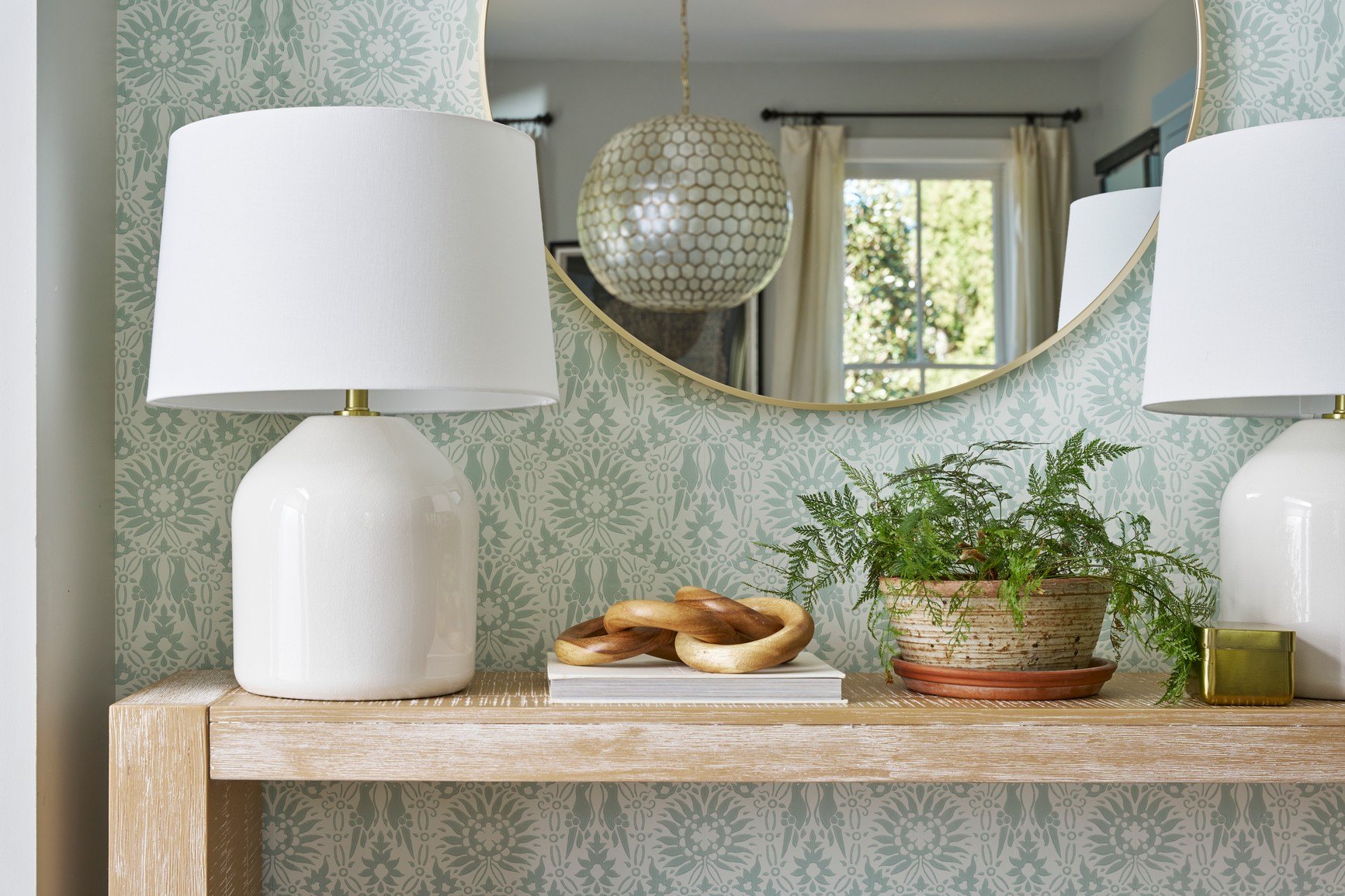
In case you’re wondering: Wallpaper isn’t going anywhere in 2026. Certain styles may be waning in popularity (think “gray geometrics and one-wall accent florals” according to Austin-based interior designer Stephanie Brown), while others, including textured neutrals, expressionist murals, and wallpaper drenching—like color drenching but for wallpaper—are on the rise. But the real question is not whether wallpaper is in or out, it’s which type of wallpaper is best for you?
You could go with traditional wallpaper—or you could try the newer kid on the block, peel-and-stick wallpaper. It’s touted for being cheaper and easier to install (and remove), but is it actually true? Read on for expert advice from interior designers and a Realtor.
Meet the experts:
-
Stephanie Brown, owner and principal designer at Saint Louise Design in Texas
-
Selena Lewis, interior designer and wallpaper specialist at Selena Lewis Designs in Georgia
-
Moriah Frantz, interior designer at Moriah Frantz Designs in Pennsylvania
-
Ryan Fitzgerald, Realtor and owner of Raleigh Realty in North Carolina
Loading…
What the experts have to say about peel-and-stick wallpaper:
If you’re new to wallpaper and looking for an option that’s less of an investment, peel-and-stick is a more affordable way to try out this comeback trend. But don’t be surprised if it’s not as easy to install as its name implies, and, if you’re renting, make sure to test a sample out on your walls to see how easily it comes off. For durability, traditional wallpaper is the way to go—and it’s especially good for concealing “tiny house settling cracks,” according to Brown.
Is peel-and-stick wallpaper cheaper than traditional wallpaper?
In general, yes, peel-and-stick options, which range from around $1 per square foot for this dreamy, watercolor-like paper to $5 per square foot for this hand-drawn version from artist Keely Shaw for Chasing Paper, tend to cost less. Traditional wallpaper will set you back around $4 per square foot—but prices can go way up. This floral print from House of Hackney, for example, costs $345 for a single roll. Keep in mind that in either case, you’ll probably need to buy some tools or hire someone to install it, which can add to the total cost.
Is traditional wallpaper more durable than peel-and-stick wallpaper?
Lewis says that yes, traditional wallpaper is more durable than most peel-and-stick options—and Fitzgerald agrees. “These products tend to vary in durability, with lower-quality versions less likely to hold up as well over time,” he says. Brown adds that high quality paper is the best long term investment. That said, poor application will cause problems for the longevity of both types of paper.
Is peel-and-stick wallpaper easier to install than traditional wallpaper?
Bad news: Not really. Peel-and-stick is often touted as an easier option, and many people feel comfortable installing it on their own, but you’ll need to be pretty good at DIY (and pretty patient) to make it work. “Peel and stick is difficult to install as you have no margin to move the paper around, and the bubbles can reappear weeks and months later, requiring maintenance,” says Lewis.
Brown feels strongly that any wallpaper project should be a professional endeavor. “Even for a fun kids room project using peel-and-stick, the walls still need to be professionally prepped and smoothed first,” she says. “It is an investment in labor, but it is the only way to get that high end seamless result and ensure the paper actually stays put.”
Is peel-and-stick wallpaper more renter-friendly than traditional wallpaper?
If you live in a rental or you just want to add a less-permanent statement to your space, peel-and-stick wallpaper may seem like a better option because it’s technically removable. Beware, though: Frantz says peel-and-stick often damages people’s walls when they remove it. So be sure to loop in your landlord if you’re considering adding wallpaper to your space.
Meanwhile, traditional wallpaper is actually easier to remove than you think. “In today’s world of wallpaper, most are strippable, meaning they peel right off the wall with a little water,” says Lewis. “Walls end up clean and most of the time with minimal damage, if any at all.”
Loading…
Does traditional wallpaper offer more choice than peel-and-stick wallpaper?
Peel-and-stick wallpaper has been gaining momentum, and Fitzgerald notes that “the quality has improved significantly over the years, with better materials and more refined designs.” Brands like Flavor Paper, Chasing Paper, and Spoonflower now offer options ranging from classic stripes to cat cameos.
Even so, Lewis says you’ll have a lot more choices with traditional wallpaper—and not just in terms of design. With traditional wallpaper, you can choose between options like pre-pasted, vinyl, and grasscloth.
“Solid vinyl is the indestructible champion,” says Brown. “It is perfect for kitchens or splashy bathrooms because it is truly scrubbable.” For something that’s still a workhorse, but with a more designer look, Brown recommends vinyl coated paper, which she says is great for playrooms or hallways. “Natural grasscloth is dry-clean only!” she warns and an absolute no near a sink or toilet. And for older homes, she loves non-woven paper, which she calls “a breathable beauty because it resists mildew.”
Is wallpaper attractive to prospective buyers?
Fitzgerald is pro wallpaper—when done well. “Wallpaper is actually a smart design choice,” he says. “It allows homeowners to add depth, texture, and personality in a way that paint often cannot. When selected thoughtfully, wallpaper feels timeless and integrated instead of trendy or excessive.”
If you want more genius ideas for using peel and stick decor in your home:
The realtor.com® editorial team highlights a curated selection of product recommendations for your consideration; clicking a link to the retailer that sells the product may earn us a commission.
