

As we grow closer to the opening of Spring Training and the dawn of a new season, hope and optimism permeate across Major League Baseball. Well, at least through most of it, anyway.
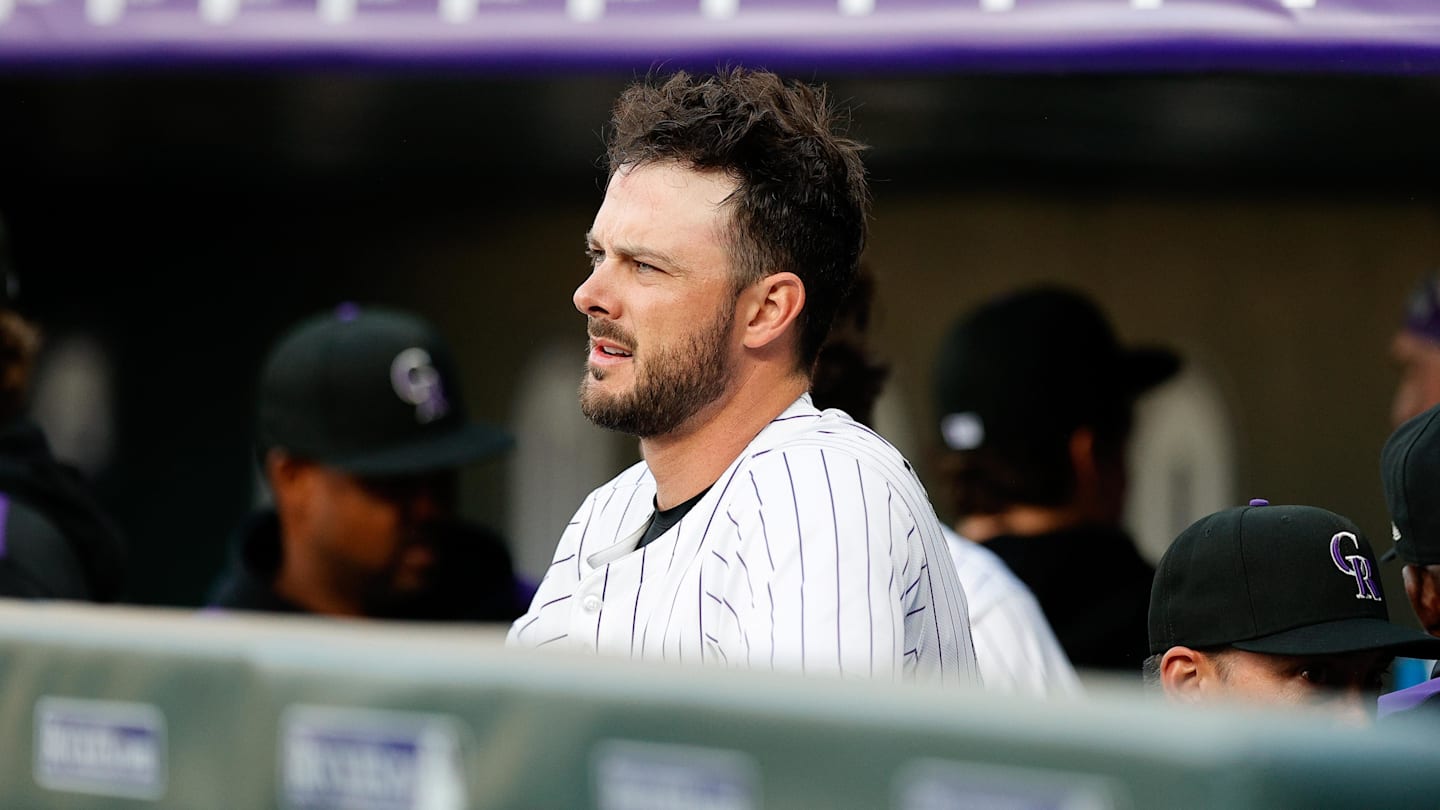
It’s hard to be particularly optimistic if you are Kris Bryant. Exactly 10 years removed from his National League MVP campaign that ended with him playing a central role in the Chicago Cubs breaking a 108-year championship drought, the 34-year-old is staring down another chapter in a seemingly endless injury saga since signing with the Colorado Rockies before the 2022 season.
If you like our content, choose Sports Illustrated as a preferred source on Google.
Any hopes that Bryant might be able to somehow return to the field amidst struggles with his lumbar degenerative disk disease suffered a cruel blow on Tuesday, as the Rockies announced that he would be placed on the 60-day injured list to begin the season.
For Bryant, it’s the latest in a long line of setbacks that have conspired to keep him out of 478 games since joining Colorado. And with no end in sight, questions about his future in the game are getting louder.
As Bryant’s injury saga wears on, so too does the seven-year, $182 million contract that he signed in 2022, the largest in Rockies’ franchise history. It is regularly cited as the ‘worst contract in baseball‘ and carries an average annual value of $26 million that doubles that of any other Colorado player. it is also guaranteed.
With a new braintrust of president of baseball operations Paul DePodesta and general manager Josh Byrnes in charge, there could be a renewed focus on how to navigate the final three years of the mega-deal.
If Bryant’s degenerative lower back issue doesn’t improve, there are options to get out from under the deal. The Rockies could follow the Los Angeles Angels’ blueprint with Anthony Rendon from earlier in the offseason and arrange a buyout, with money being deferred. However, Rendon entered 2026 with just one year and $38 million owed, compared to the three years and $78 million that Colorado still must pay Bryant.
If Bryant’s back issues are deemed to be career-ending, the Rockies could potentially be in position to have the remaining balance of the contract covered by insurance. While MLB teams typically insure large contracts, the exact details pertaining to Bryant’s deal are unknown.
Colorado could also simply continue to pay Bryant in hopes that his health improves to the point of being able to rejoin the team in some capacity (while also avoiding further contract headaches down the road). That could be a tough pill to swallow for the club-owning Monforts and could potentially combat the organization’s intentions to spend to contend in the coming years.
On the field, Bryant’s absence isn’t likely to hurt much given that the club has largely become accustomed to the four-time All-Star being unavailable. By moving him to the 60-day IL, the Rockies were able to add Tomoyuki Sugano to bolster their rotation.
Still, Bryant’s injury status and his contract remain a dark cloud that hangs over the franchise as it looks to move into a new era. And there are no easy solutions or quick fixes forthcoming.