


My grandmother keeps an old radio on top of the refrigerator and turns it off the moment the news gets loud, then back on for the weather. She says the best news of any day is usually the quiet kind. These 10 good things from 2026 barely made the headlines, from an eye chip that helps people read again after losing their central vision to Nepal’s wild tigers, which have more than tripled since 2009.
Europe: A Tiny Eye Chip That Helps People Who Lost Their Central Vision Read Again Is Now Approved in 30 Countries


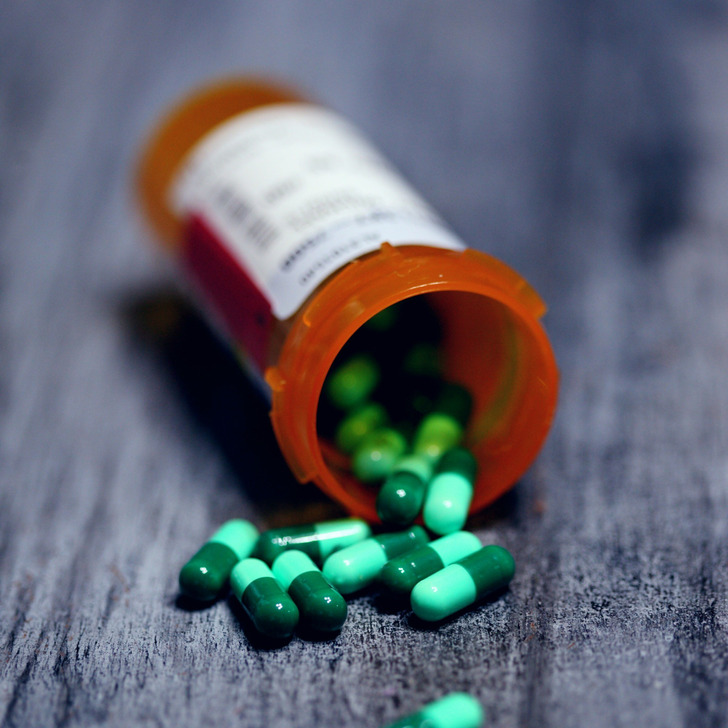
India: Prices of 137 Cancer Medicines Will Fall by Up to 70% Starting Nov. 9
The World: The Road Death Rate Fell 21%, Even as a Billion More Vehicles Hit the Road
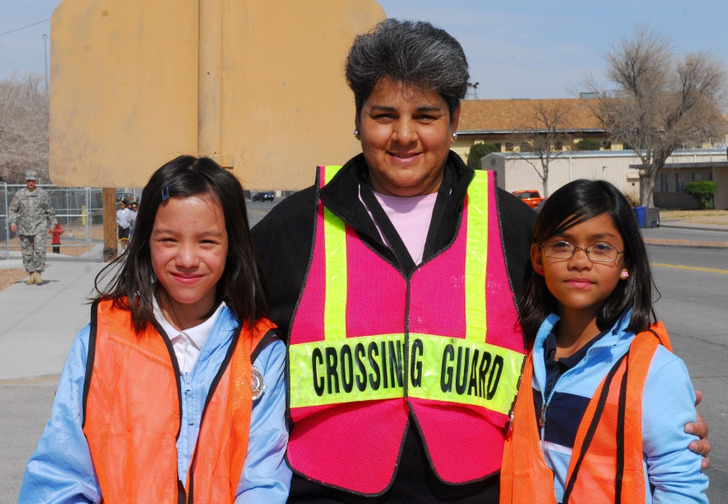
A World Health Organization report released on July 20, 2026, found that the rate of road deaths fell 21% between 2011 and 2025, while more than 1 billion vehicles were added around the world. Ten countries cut their road deaths in half in the decade to 2021.
Europe saw the biggest drop, 36%. The job isn’t finished: 1.16 million people still died on roads in 2025, deaths in Africa rose 17%, and the UN goal is to cut them in half by 2030.
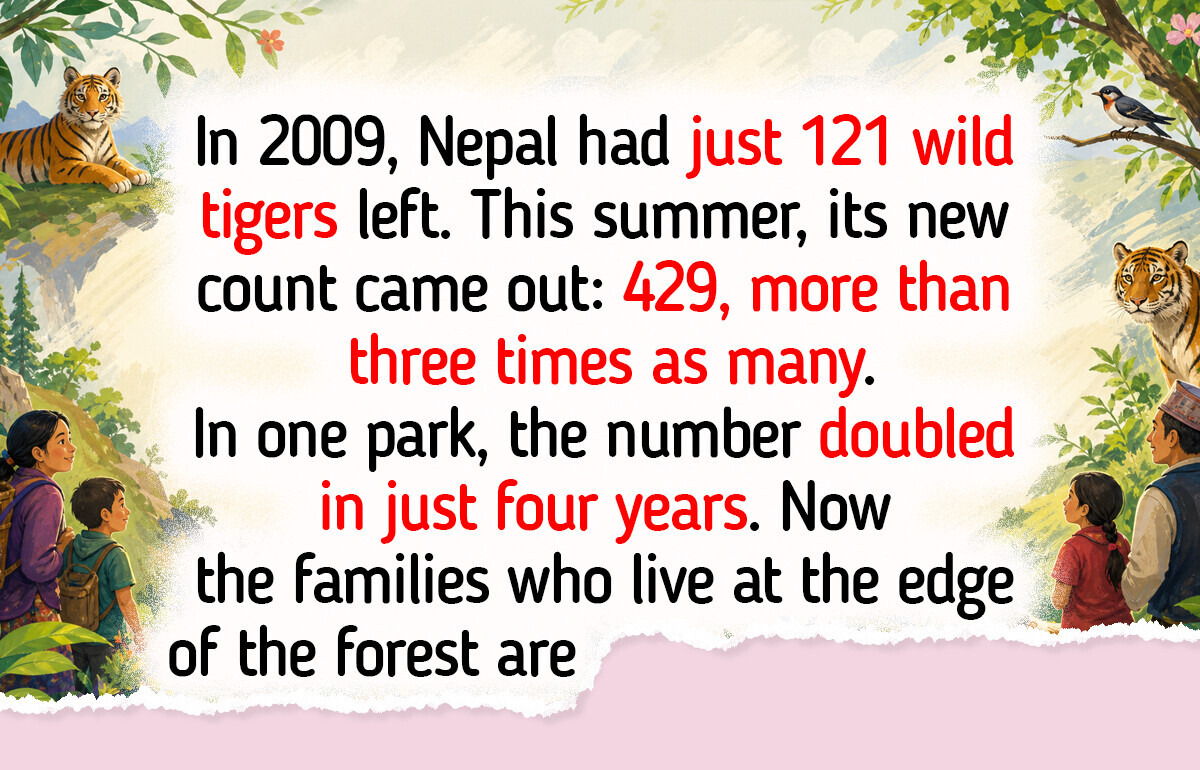
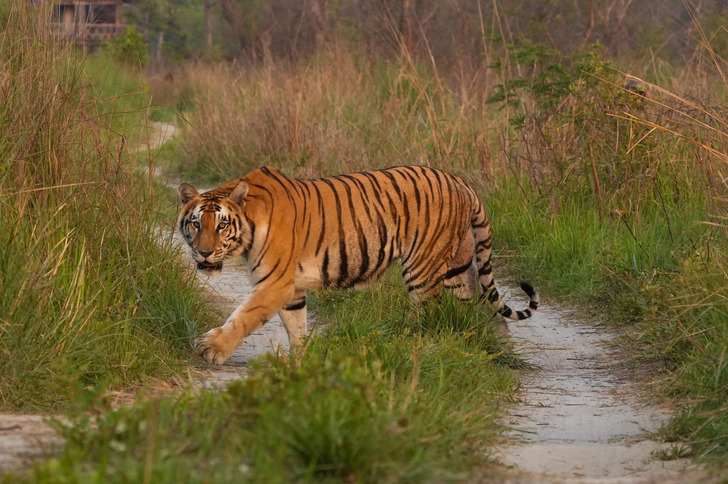
Nepal: Wild Tigers Rose to a Record 429, Up From 121 in 2009
Kenya: A $160 Million Deal Will Protect Wild Land Nearly the Size of Oklahoma
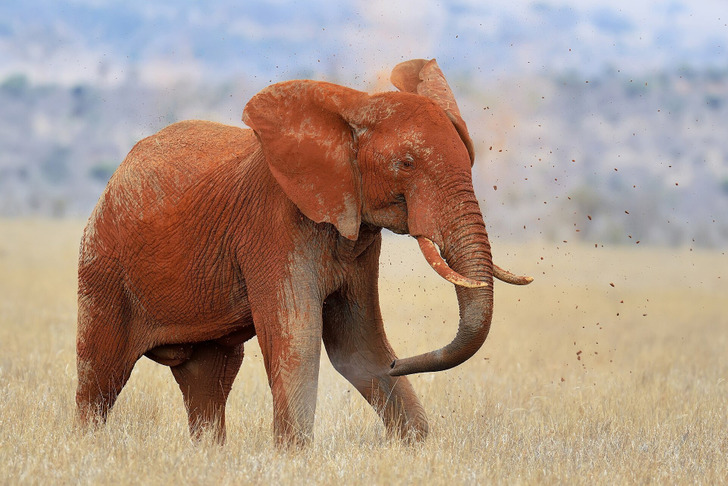
On Oct. 21, 2026, Kenya signed a $160 million conservation deal called Thamani Asili, Kiswahili for “value of nature.” It covers 17.3 million hectares, about 66,800 square miles, nearly the size of Oklahoma. It starts in four regions, including Tsavo, famous for elephants that turn red from bathing in its dust.
About half of the money comes from donors and half from Kenya’s government over 10 years. The goal is steady funding to protect the land for good, not just for the length of one project.
California: A Couple Paid Off $550 Million in Medical Debt for 261,000 Strangers

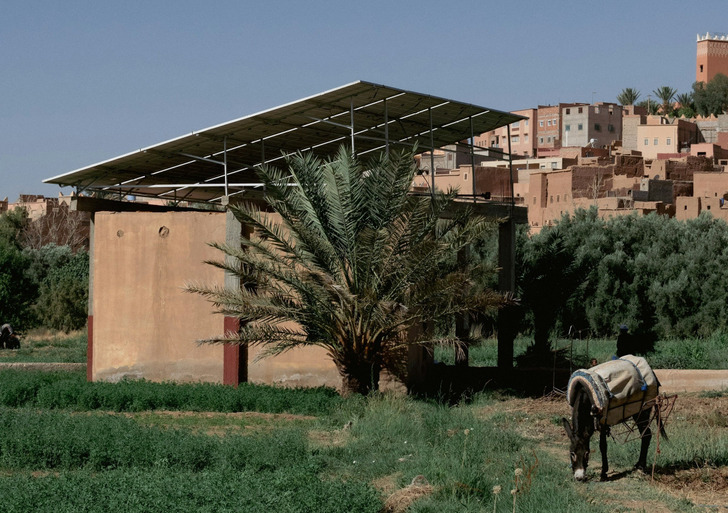
Africa: Homes and Shops Are Putting Up About 100,000 Solar Panels a Day
England: Native Oysters Vanished From This Coast a Century Ago. 99% of the New Ones Survived
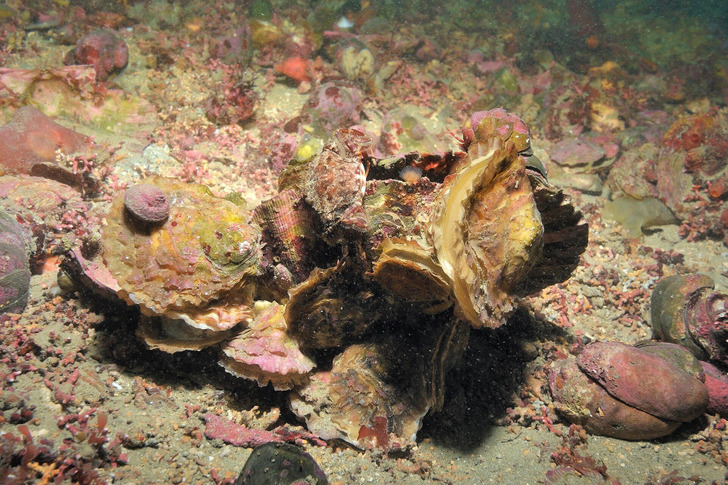
Native oyster reefs disappeared from the coast near Whitburn, in northeast England, more than a century ago, and across the UK native oysters have fallen by more than 95% since the 1800s. In October 2025, a one-hectare reef, about one and a quarter soccer fields, was laid there with 20 reef cubes, 100 tonnes of scallop shells and 4,000 adult and 60,000 young oysters.
When divers checked it in July 2026, about 99% of the adult oysters were alive and healthy, and the young ones had made it through their first winter. The five-year project is run by the Zoological Society of London and Groundwork NE & Cumbria.
Australia: Since Oct. 1, Stores Can’t Charge Extra When You Pay by Card

Kazakhstan: Przewalski’s Horse Foals Were Born on the Central Steppe for the First Time in 200 Years
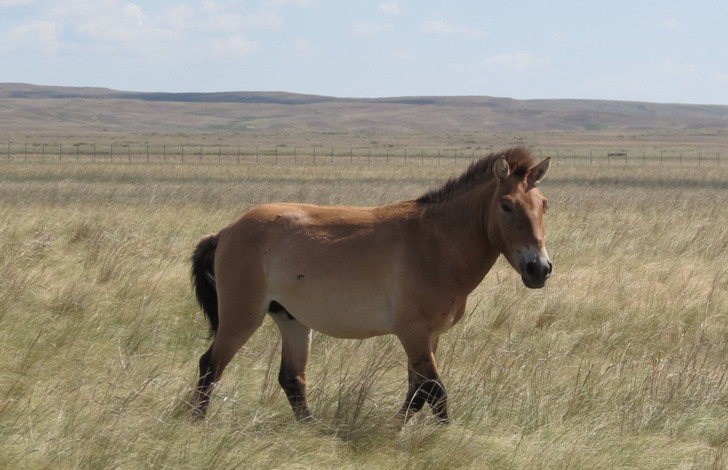
My grandmother only turns the radio up for the weather, but she made an exception for the foals in Kazakhstan. Two hundred years, she said, is worth a little volume.
What’s the best piece of quiet good news you heard this year? Tell us in the comments.
