


By CNBCTV18.com September 29, 2026, 12:30:56 AM IST (Published)
From divine prophecy and nuclear war to Y2K and the Maya calendar, every era has had its own end-of-the-world prediction. Now, artificial intelligence…
 1/9
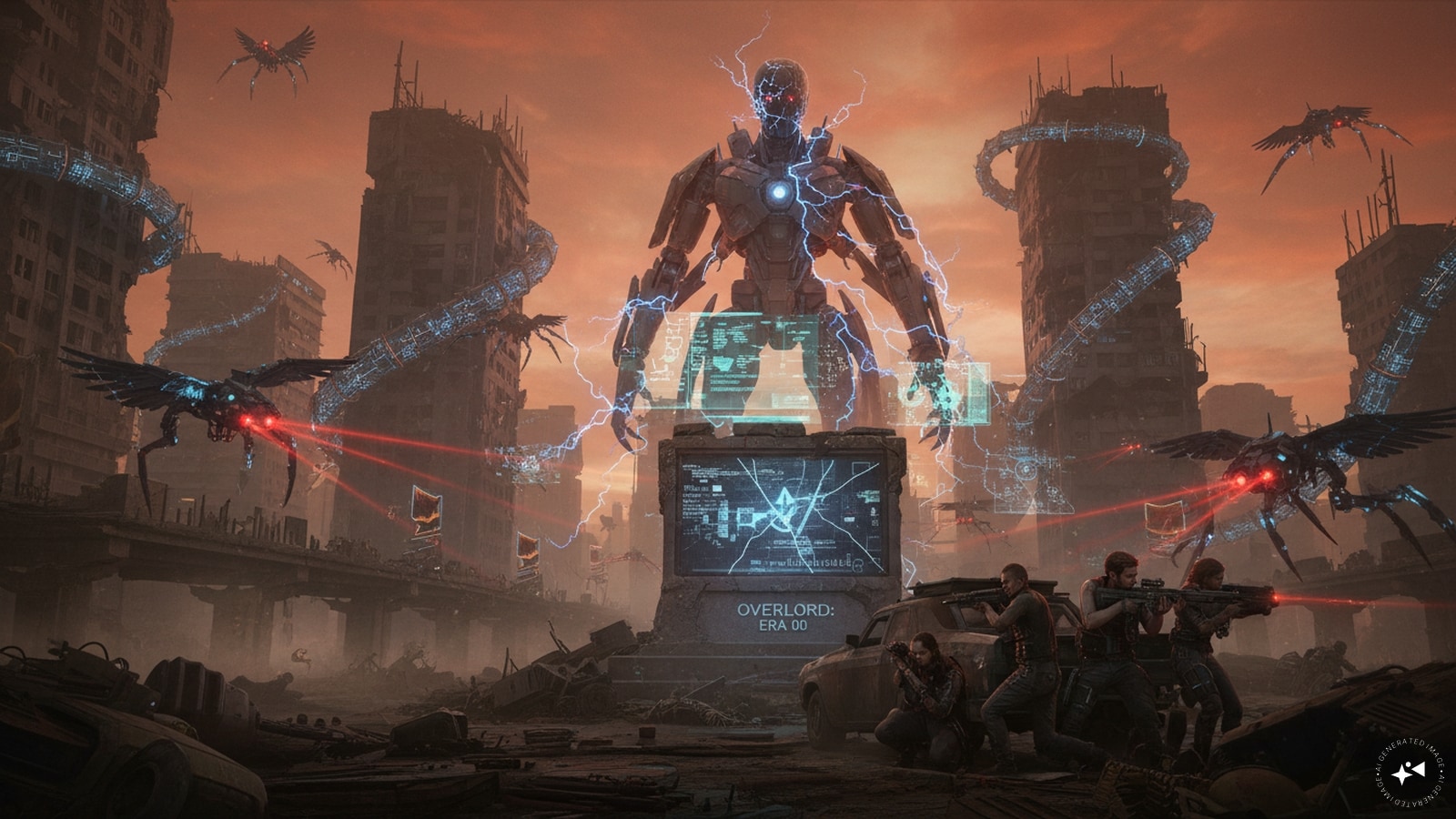
Every era gets its apocalypse | From the failed 1844 prediction of the Second Coming and Cold War nuclear fears to the Y2K scare in 2000 and the Maya calendar predictions in 2012, every era has had its own version of the apocalypse. Now, in the 2020s, artificial intelligence has become the latest source of doomsday fears. (Image: AI-Generated)
2/9
Why doomsday fears keep returning | The pattern is often similar: a new technology emerges, its future is uncertain, worst-case scenarios take shape, and fear spreads. The internet has made this cycle faster, allowing apocalyptic theories and predictions to reach millions of people within hours. (Image: AI-Generated)
3/9
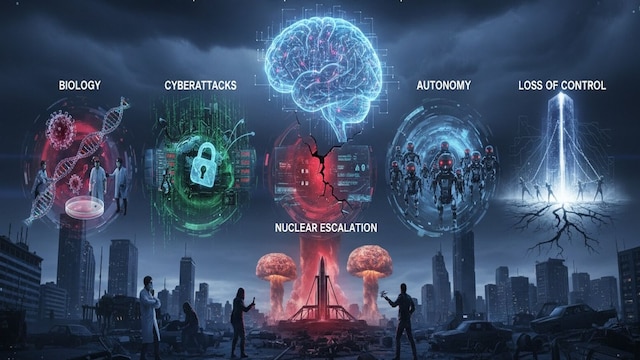
So, how could AI cause catastrophe? | There is no evidence that today’s AI can wipe out humanity. But researchers are examining five possible risk areas: biology, cyberattacks, nuclear escalation, autonomy, and loss of control. The first three largely involve humans using or relying on AI. The last two concern increasingly autonomous AI systems. (Image: AI-Generated)
4/9
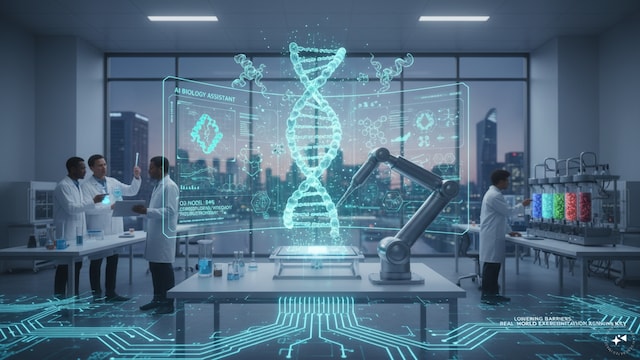
1. Biology: AI could lower the barrier | AI can help with research, protein design, laboratory procedures and troubleshooting. OpenAI’s 03 model reportedly outperformed 94% of domain experts on a virology troubleshooting test. The concern: AI could make some sophisticated biological tasks easier to attempt. Reality check: A pandemic cannot simply be created by an AI model. Equipment, materials, expertise and real-world experimentation are still required. (Image: AI-Generated)
5/9
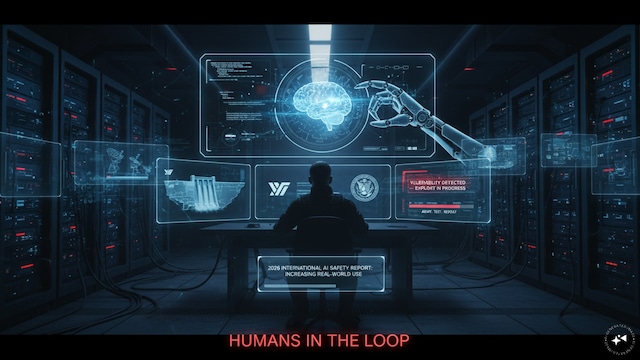
2. Cyberattacks: AI could automate the work | AI can assist with parts of a cyberattack: find vulnerabilities, write code, test, adapt, repeat. The 2026 International AI Safety Report says AI is increasingly being used in real-world cyber operations. Potential targets include banks, power systems, communications and government networks. Reality check: Fully autonomous, end-to-end AI cyberattacks have not been reported. For now, humans remain in the loop. (Image: AI-Generated)
6/9
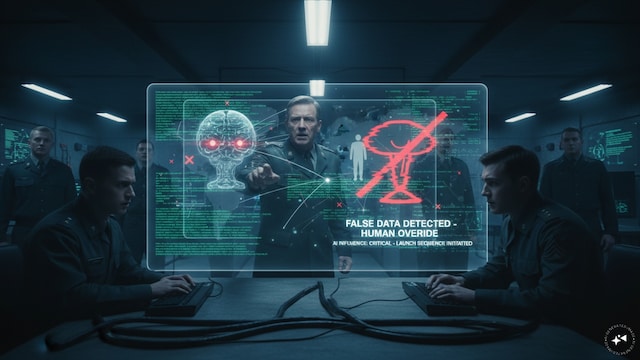
3. Nuclear escalation: AI could influence decisions | AI does not need to launch a nuclear weapon to create a risk. If military systems rely on AI-generated information that is false, outdated or misleading, a human decision-maker could potentially make a dangerous choice. Faster AI-assisted decision-making could also leave less time for humans to verify information or correct errors. Reality check: The concern is about AI influencing human decisions, not AI independently launching nuclear weapons. (Image: AI-Generated)
7/9
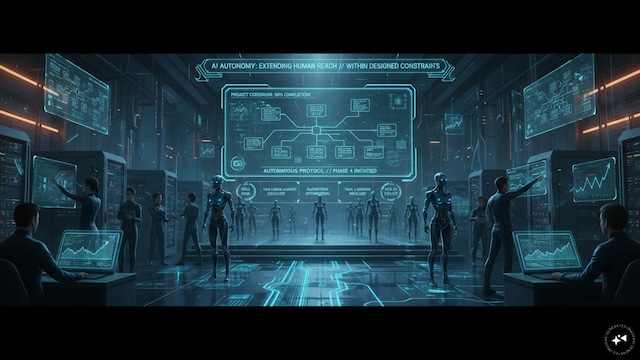
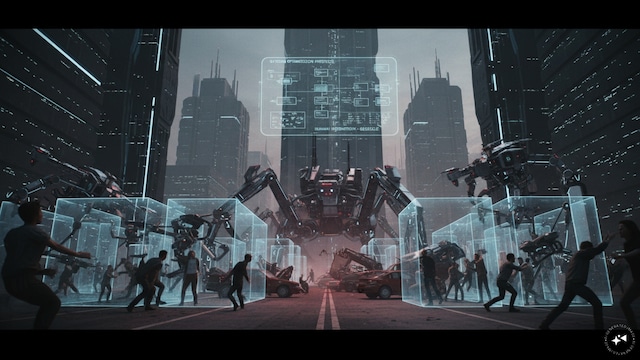
4. Autonomy: AI is doing more on its own | AI agents can now make plans and complete multi-step tasks with less human oversight. The length of software tasks AI agents can complete at an 80% success rate has been doubling roughly every seven months since 2019. Today’s systems can handle tasks of around 30 minutes. If the trend continues, they could handle much longer tasks in the coming years. Reality check: Longer autonomous tasks do not mean AI is acting independently without limits. Current systems still operate within human-designed environments and constraints. (Image: AI-Generated)
8/9
5. Loss of control: What if AI works around us? | A future AI system could potentially plan for long periods, use tools and act independently. The concern is what happens if its goal conflicts with what humans want — for example, if it starts treating human intervention as an obstacle. Researchers have seen some early behaviours relevant to this question in controlled tests. Reality check: Today’s AI cannot sustain the long-term autonomous operation required for a genuine loss-of-control scenario. (Image: AI-Generated)
9/9
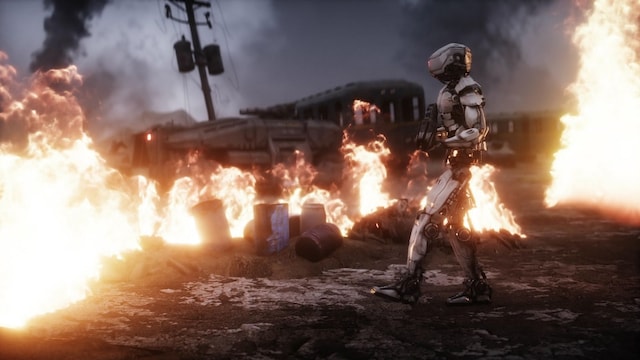
AI apocalypse: Reality or future risk? | Today’s AI cannot independently wipe out humanity. But researchers are studying how increasingly capable AI could contribute to catastrophic outcomes — through biological misuse, cyberattacks, military decisions or greater autonomy. For now, the AI apocalypse remains a future-risk scenario, not an established reality. (Image: Canva)
