




Image via Raze and Rebuild Studio
Another batch of veteran game developers is going all-in on the worker-owned video game co-operative model—this time it’s a band of triple-A developers and accessibility experts teaming up to form Raze and Rebuild Studio, which describes itself as “rising from the ashes of the games industry”—a direct reference to the years-long wave of mass layoffs and studio closures that have put thousands of developers out of work.
The co-op’s founding members include former Monolith Productions writer Tanya DePass, business development and accessibility consultant Tarja Porkka-Kontturi, accessibility expert Laura Kate Dale, and Global Game Jam co-founder Ian Schreiber.
Speaking to Game Developer, the founding members explained that the studio has launched without any initial external funding, but is pursuing development on its debut project while eyeing potential grants and speaking with outside partners. “It’ll be a while before we reveal our first game, [but] we can say that we are interested in games for impact that touch on real world lived experiences,” said Dale. “We have a lot of satirical ideas centered on our background as people struggling to find employment within the industry, and some sillier side ideas focused more on mechanics.”
“Right now we are focusing on keeping our scope small, and seeing which prototypes are most worth pursuing for our first full release.”
Worker-owned video co-operatives have slowly picked up interest in the world of independent game development—though it’s been difficult to assess the model’s viability in the wake of the 2020-2021 games funding boom and then the wave of mass layoffs.
In the years before the 2020 COVID-19 pandemic, studios like KO_OP were touting the model’s viability and veteran developers like Chet Faliszek and Kimberly Voll stood up studios like Stray Bombay. Co-operative game dev studio Glory Society was unfortunately forced to shut down due to external health factors that struck its founding members.
But the model remains attractive thanks to its potential to equally pass on the rewards from a successful game primarily to the people who worked on it. And as Dale noted, it allows workers to set the terms of their own working conditions. “One of the most important aspects of going for a co-op model is how that intersects with accessibility, not just in what we make but also how we work,” she explained.
“Structuring this so that the unpredictable nature of disability is addressed up front, the ways work ability may ebb and flow, is something we can make foundational in a cooperative structure, and is so rarely supported.”
Related:Report: Take-Two subpoenas Microsoft and Discord in bid to halt extensive Grand Theft Auto VI leak
About the Author
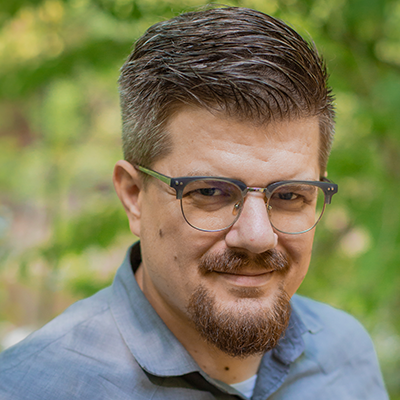
Senior Editor, GameDeveloper.com
Bryant Francis is a writer, journalist, and narrative designer based in Boston, MA. He currently writes for Game Developer, a leading B2B publication for the video game industry. His credits include Proxy Studios’ 4X strategy game Zephon, Iron Anchor Studios’ Down With The Ship, and Amplitude Studio’s 2017 game Endless Space 2.
