


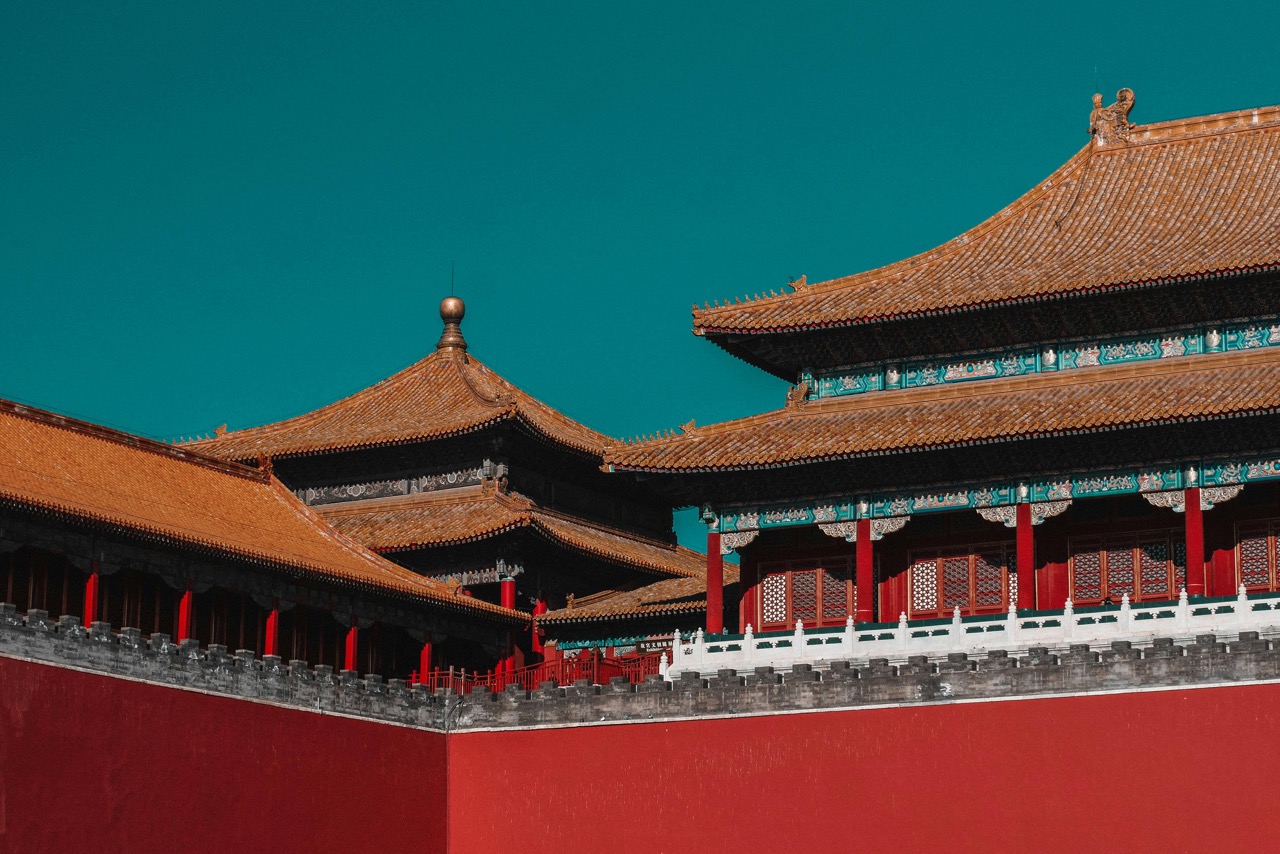
Labor Day has once again become one of China’s biggest travel moments.
From May 1 to 5, cross-regional passenger flow was expected to top 1.52 billion trips, averaging more than 300 million trips per day.
The figure points to another record-breaking holiday rush across road, rail, air and water transport.
That scale is impressive.
It also only tells part of the story.
This year’s holiday came with a different pattern.
In parts of China, school spring breaks and adjusted school calendars overlapped with the public holiday, while many office workers used annual leave to turn five days off into a longer escape.
The usual travel peak became wider, especially for families able to leave earlier or return later.
China’s Labor Day travel has changed a lot since 2023, and the shift is easier to see when the numbers are placed next to the habits that came with them.
In 2023, the first big post-pandemic Labor Day rush carried a clear sense of release.
China recorded 274 million domestic trips during the holiday, with domestic tourism revenue reaching RMB148.056 billion.
That was the year when “special-forces travel” became part of the travel vocabulary: overnight trains, early flights, packed routes, very little sleep, and as many stops as possible squeezed into one break. The point was not always comfort.
Sometimes, the point was simply to be moving again.
By 2024, the rebound had settled into a stronger travel trend.
Domestic trips rose to 295 million, up 7.6% year on year, while tourism spending reached RMB166.89 billion, up 12.7%.
Hotspots stayed busy, but the travel mood had started to spread out.

Images of small towns in China via Pexels
County-level destinations, smaller cities, and nearby alternatives gained more attention, partly because they offered something big-city holidays often struggled to provide: a little more space, a little less pressure, and a better chance of finding something that felt local.
Around the same time, travel was also becoming more visual and more personal.
The old idea of “checking in” at landmarks did not disappear, but it began to take new forms.

Images of floral headress via Pexels
Quanzhou’s Xunpu floral headdress experience, for example, went viral in early 2023 and turned an intangible cultural heritage custom into one of the country’s most recognizable travel-photo experiences. Visitors were not merely going to see a place.
They were going to wear it, photograph it, and bring a piece of its story back to their feeds.
In 2025, travel kept growing, though the calculation became more careful.
China recorded 314 million domestic trips, up 6.4%, while total domestic tourism spending rose 8.0% to RMB180.269 billion.
The mood was not exactly “spend less”.
It was closer to “make the trip count”.
Better routes, smarter hotel choices, stronger food stops, and more memorable day plans began to matter more than simply adding one more famous name to the itinerary.
Then came 2026, when the reason for travel became even more specific.
According to the May Day trend report cited by 21st Century Business Herald, 69% of users chose destinations based on personal interests.
Qunar data showed that travelers visited an average of 2.1 cities, while bookings for hidden-gem small city routes rose 121% year on year.
Tongcheng Travel also found that around 60% of travelers chose city-hopping trips, visiting two to three destinations in one journey.
So this is not a neat story about everyone slowing down.
A few years ago, a packed itinerary often meant a landmark checklist: arrive, take a photo, post, move on.

Image of “blue tears’ in Pingtan via Xinhua News
Now, the draw might be a music festival in Luzhou, a football match in Nanjing, ancient architecture in Datong, fire-roasted tea in Pu’er, the glowing “blue tears” coastline in Pingtan, or a small city where the best plan is a good meal and a hotel that helps calm the pace.
The logic behind joining the travel peak is different.
Smaller cities fit neatly into this new mood.
Their appeal is not only lower prices or thinner crowds.
The stronger pull is a kind of low-pressure distinctiveness: an old street, a local flavor, a regional festival, a craft experience, or a small restaurant whose story could only belong there.
Events are playing a similar role.
Concerts, music festivals, sports events, and exhibitions are turning cities into destinations in their own right.

Image via Pexels
This year, domestic travel linked to performances and sports events rose 30.6%, with cities such as Shanghai, Guangzhou, Xi’an, Chengdu, Zhengzhou, Wuhan, Guilin, Nanping, Tianjin, and Luoyang appearing among the top event-driven destinations.
Visual appeal still matters too, though a pretty backdrop alone rarely carries the whole trip.
Searches related to “photo-worthy hidden spots” rose 33.5% this May Day, with places such as Pingtan, Mount Tai, Lanting in Shaoxing, and the villages of Huangshan drawing attention for their scenery and atmosphere.
The strongest destinations offer far more than a frame.
They give travelers a reason to explain why they went there in the first place.
Four years after travel reopened, Labor Day still comes with all the familiar scenes: packed stations, full hotels, crowded old streets, early alarms, late trains, and phones full of photos.
People are still willing to move fast, travel far, and join the holiday rush.
But a good trip now needs a reason strong enough to justify the journey: a dish, a view, a show, a match, a craft, a story, or one slow afternoon that makes the whole route worthwhile.
Was this trip worth the time, money, and effort?
This May Day, what kind of traveler were you?
A city-hopping planner, a concert chaser, a food-route loyalist, or someone who finally slowed down for one good moment?
Tell us which part of the holiday made the trip feel worth it.
[Cover image via Pexels]
