


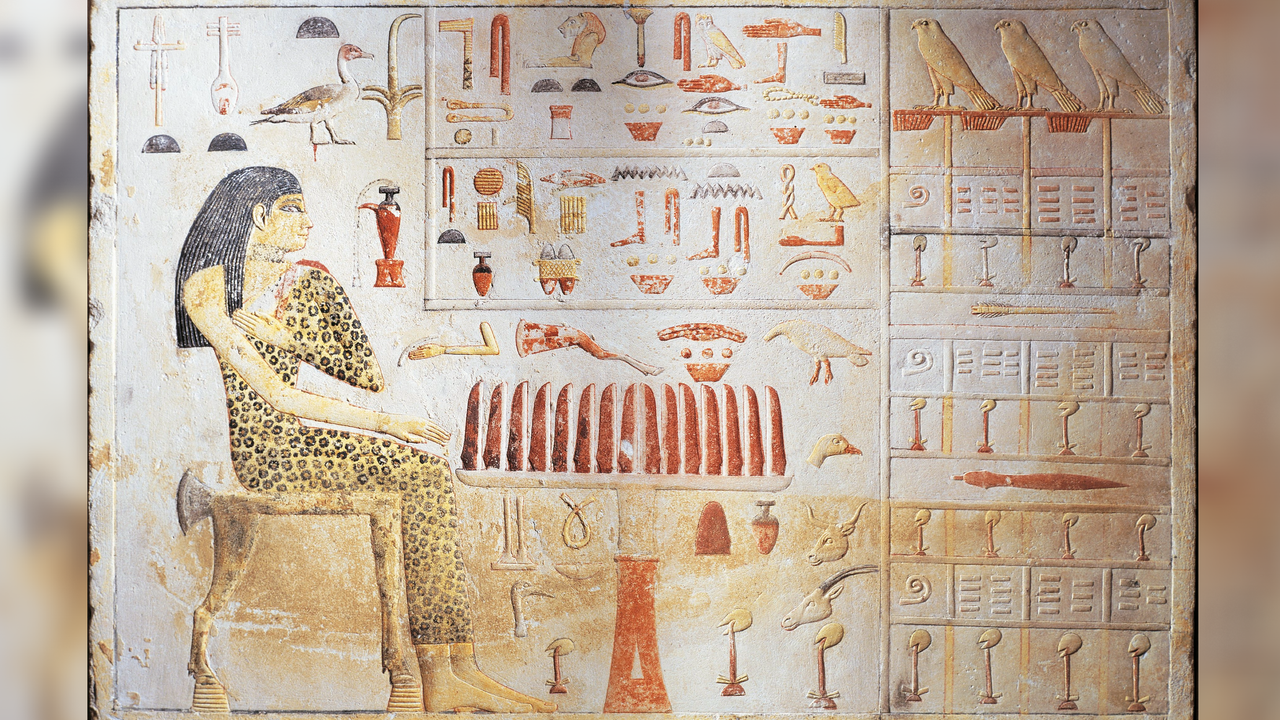
Most archaeologists spend time digging in the dirt or piecing together broken artifacts or bones in the lab, attempting to make sense of the past in a painstakingly slow process. But others use that information — and a little ingenuity — to re-create the sights, sounds, smells and tastes of ancient societies through a practice called experimental archaeology.
In his book “Dinner with King Tut: How Rogue Archaeologists Are Re-creating the Sights, Sounds, Smells, and Tastes of Lost Civilizations” (Little, Brown and Co., 2025), author Sam Kean delves into the overloaded sensory world of experimental archaeology practitioners. Along the way, he learns to knap a stone tool like early Homo sapiens did, create an intricate hairstyle that would make a Roman woman proud, tattoo someone using ancient tools, play an Aztec ball game, and bake the kind of sourdough loaf that King Tut once ate.
