


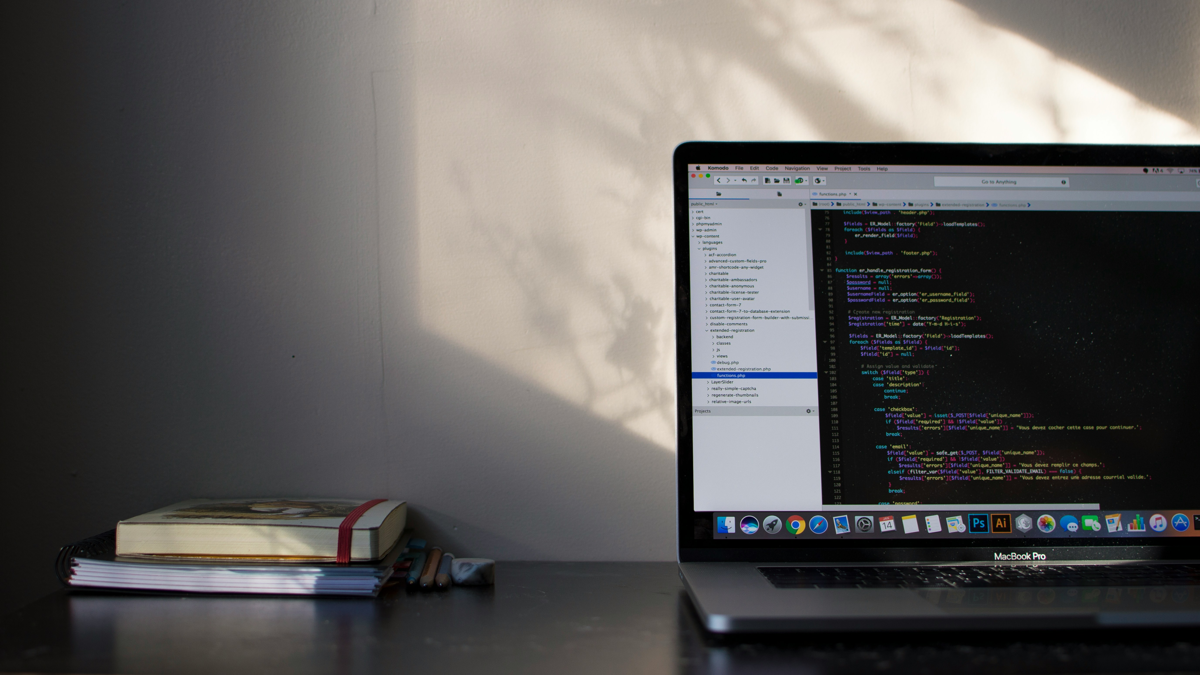

Photo Credit: Emile Perron
Anthropic pulled thousands of copies of its Claude AI source code from GitHub after leaking it to the public, seemingly by accident.
On Tuesday, a software engineer discovered that AI company Anthropic had included access to the source code for its Claude AI model in a recent release. That led numerous engineers and AI enthusiasts to pouring over the code, which was uploaded to thousands of code repositories on GitHub.
Notably, Claude Code, as TechCrunch describes it, “isn’t a minor product; it’s a command-line tool that lets developers use Anthropic’s AI to write and edit code and has become formidable enough to unsettle rivals.” The leak “was not the AI model itself, but the software scaffolding around it—the instructions that tell the model how to behave, what tools to use, and where its limits are.”
Now, in a move dripping with irony, Anthropic has issued a takedown notice under U.S. digital copyright law asking GitHub to pull any repositories containing that code. GitHub says the notice was executed against approximately 8,100 repositories, including legitimate forks of Anthropic’s own publicly released code—which led to users complaining about it on social media.
Anthropic’s Head of Claude Code, Boris Cherry, said the removal of the legitimate forks was also accidental. The company retracted the bulk of the takedown notices, limiting them to just one repository and 96 forks containing the accidentally released code.
“The repo named in the notice was part of a fork network connected to our own Claude Code repo, so the takedown notice reached more repositories than intended,” said an Anthropic spokesperson. “We retracted the notice for everything except the one repo we named, and GitHub has restored access to the affected forks.”
Even though the company retracted its initial mass takedown notice, the damage to its user base (and its shareholders) is already done. It’s just the latest punch for Anthropic, which is reportedly planning an IPO—a move that shareholders won’t be too keen on if the company proves to be so prone to mistakes.
