


iknowartworks/Shutterstock
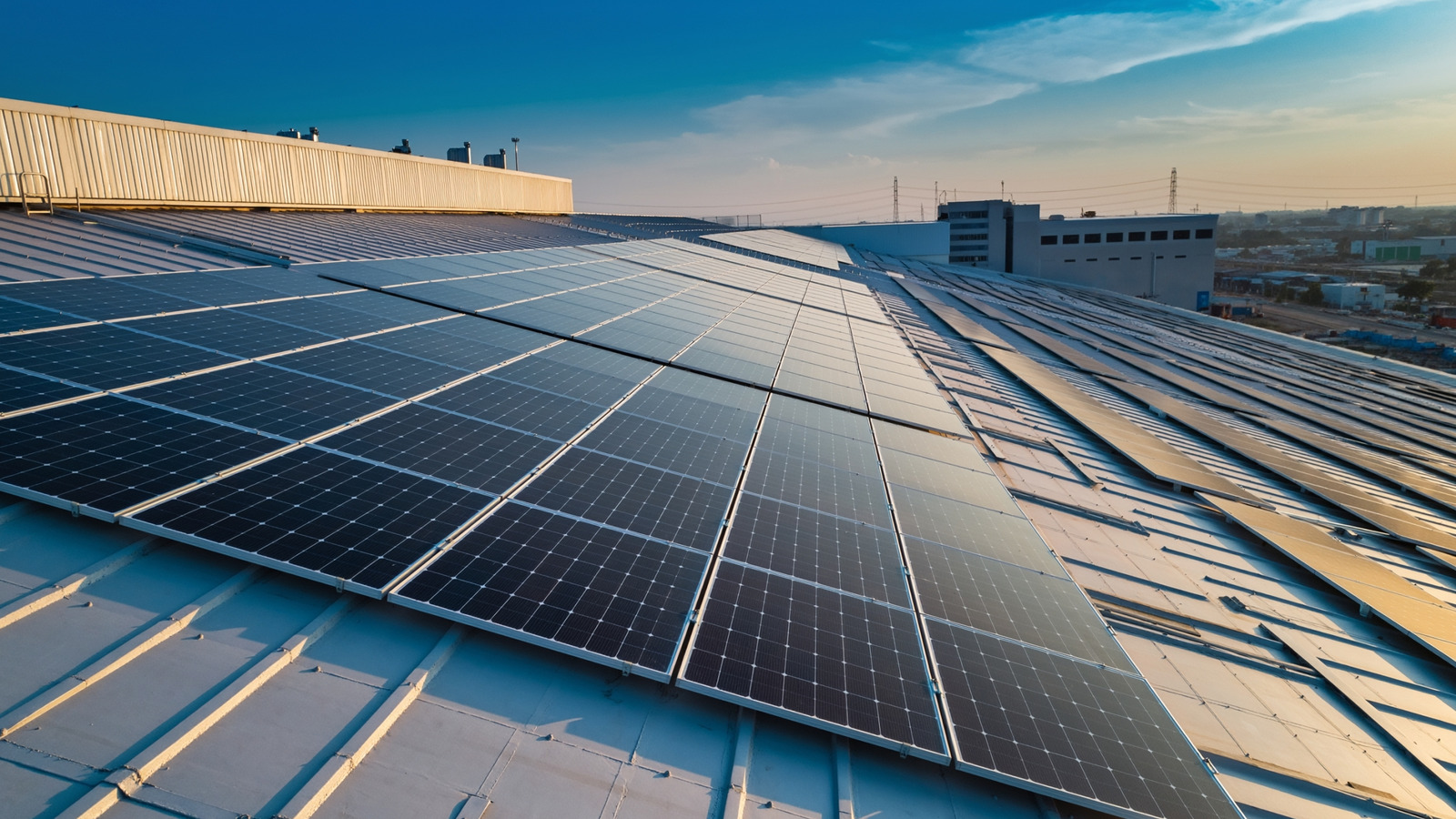
Though the technology to capture photovoltaic (PV) power and turn it into electricity was invented back in the 1950s, solar panels have yet to take over much more than calculators. It takes a lot of space to power more complicated technology, meaning solar panels can’t produce as much as we need to fit our increasing electricity needs. However, a recent study published in Nature Sustainability links coal plants to reduced performance from solar panels, showing that solar energy could be more efficient if it wasn’t for continued use of fossil fuels.
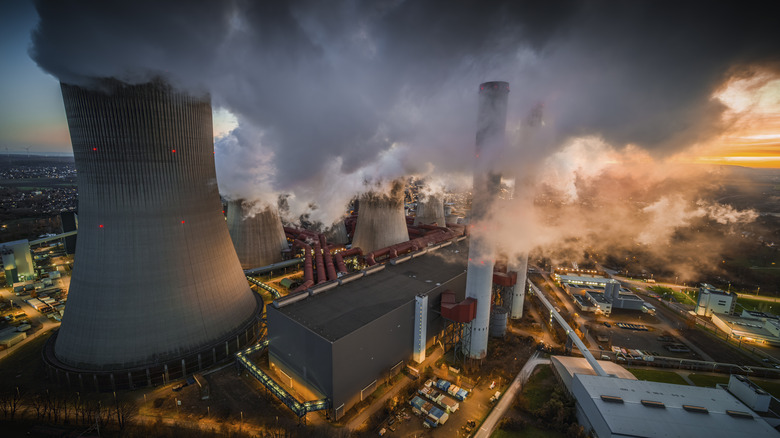
One reason why coal plants are making solar power less efficient is pretty obvious. Air pollution blocks sunlight, meaning there’s less for solar panels to capture, resulting in reduced electricity output. Further impacting solar energy production is that aerosols produced from burning coal impact the reflectivity and coverage of clouds.
The scientists studied energy production from over 140,000 solar installations between 2017–2023 and connected coal plants to energy production from existing solar installations being reduced by an amount equivalent to nearly one-third of output from new systems. In 2023 alone, aerosols reduced solar energy production by 5.8% overall. As a result, current projections are likely overestimating how much solar power can contribute to climate-conscious energy goals, especially in places where the PV loss rate is rising.
Coal’s impact on solar power is another reason to cut fossil fuel usage
Schroptschop/Getty Images
This study makes clear that, unsurprisingly, burning fossil fuels is making the transition to clean energy even more difficult. Burning coal means more air pollution, and the dirtier the air gets, the less we’ll get out of solar power. PV loss is lower in places like the United States and Europe, but the rate is actually increasing annually.
China, the world leader in PV power, is currently losing the most energy, but it’s also the only place where the PV loss rate is decreasing. That can be attributed to China implementing measures to reduce its air pollution since 2013, drastically improving the country’s air quality in the years since. However, those policies may have also sped up global warming. Aerosols blocking solar energy may be bad for PV output, but they help cool the Earth by reflecting solar radiation. Plus, even though the country has cleaned up its air, China is still responsible for over half of all coal use.
Phasing out fossil fuels in favor of clean, renewable energy sources is a vital part of fighting climate change and its increasingly devastating impact on the environment. PV loss isn’t the only challenge solar energy faces — inconsistent sunlight availability and birds being unable to tell the difference between solar farms and lakes also need to be addressed — but it’s another example of how continuing to burn coal is making it harder to combat the real problem.
